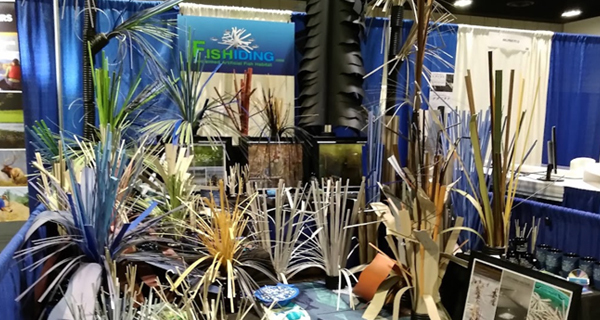
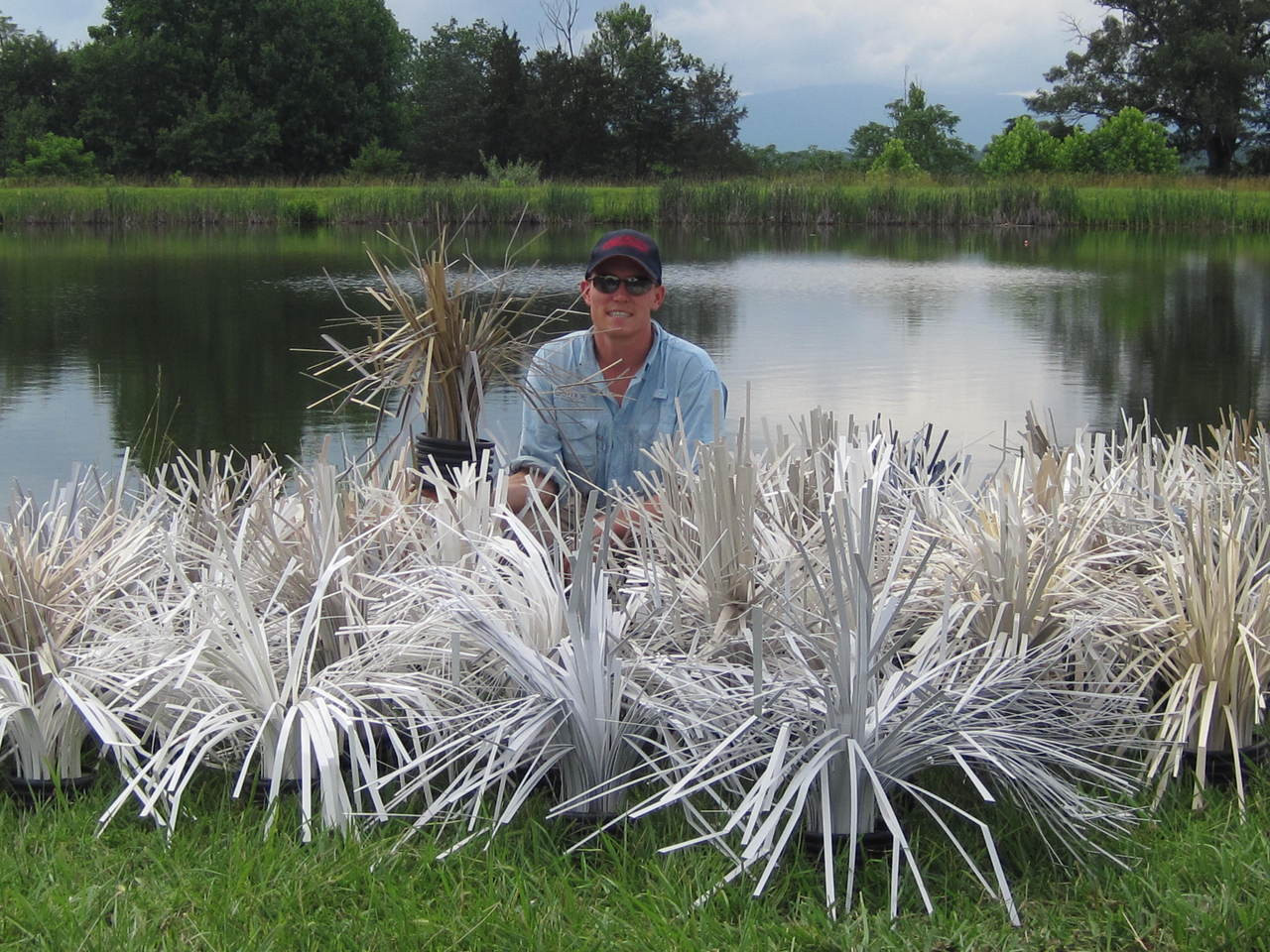
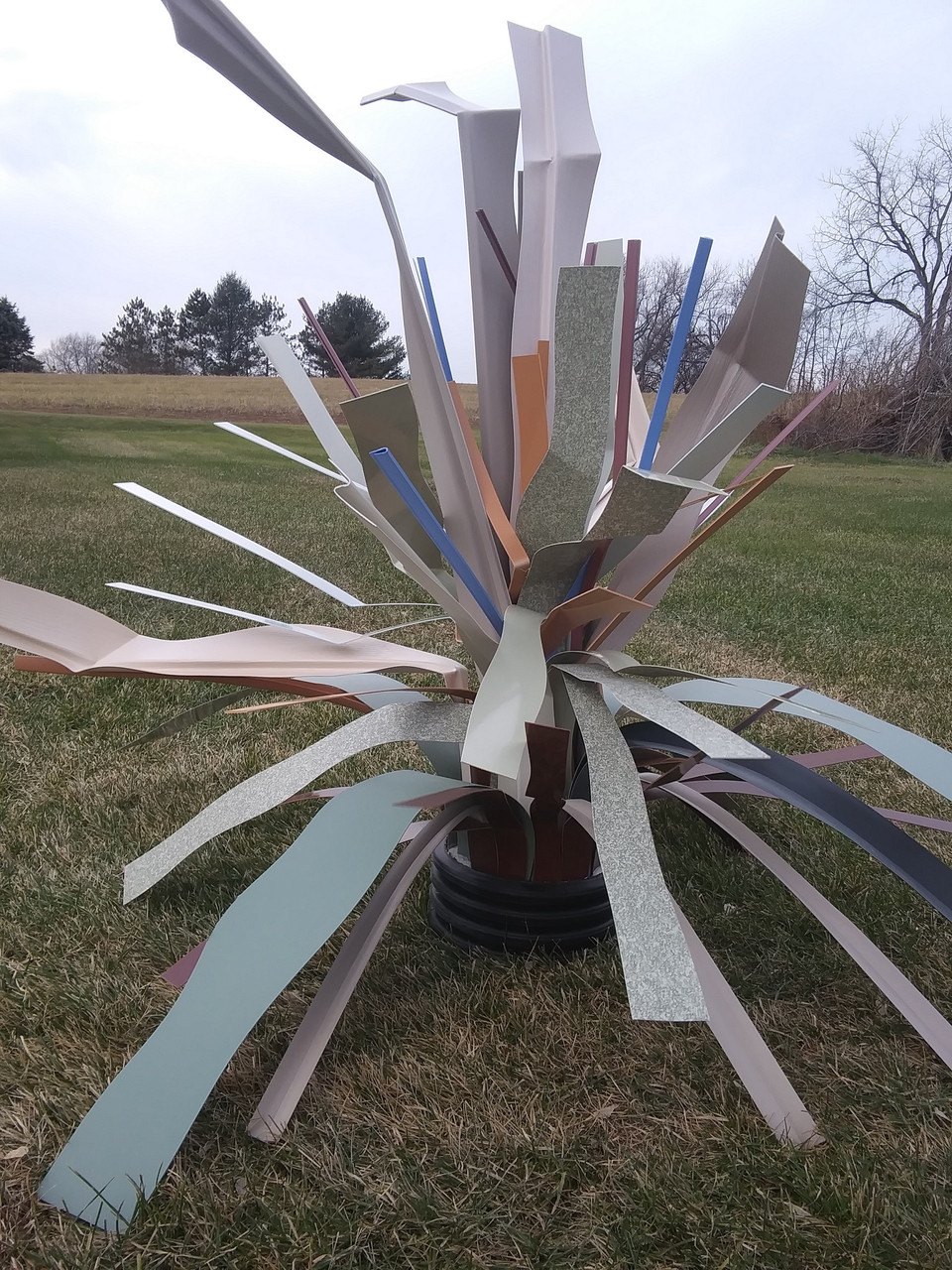
Start with Cradle for dense nursery cover in 2–6 feet of freshwater. Choose Fortress for self-opening cover in 4–9 feet, Bunker for taller transition cover in 5–10 feet, and Keeper for vertical structure in water deeper than 8 feet. Fishiding artificial fish habitat suits freshwater owners who want dense fry protection, varied openings and self-weighted structures made from reclaimed PVC. Mix models around your fish sizes and depth zones rather than repeating one shape everywhere. Add Palace for wide transition-water shade and varied openings in 7–12 feet, StoutHouse for heavier exposed-zone cover in 4–9 feet, and Safehouse Deluxe for dense lower protection in 6–11 feet of freshwater. These models are starting points, not the entire range. Mats, DIY materials and custom builds give you other ways to develop a connected habitat system. Overall structure height and recommended water depth are different measurements. Compare both before choosing your placement. All the preassembled models in this guide are self-weighted, with cement built into the patented design. None needs added ballast or a separate anchor. Every product includes free shipping; use the linked product pages for current delivered prices. Choose by the placement problem, not height alone. A broad transition structure, a heavier shallow refuge and lower-guard mid-depth cover serve different roles. Cradle uses fine, soft reclaimed PVC strands to form compact nursery habitat. Choose it for fry, copepods and forage fish near shoreline and spawning areas in 2–6 feet of water. 28–32 inches tall · about 10 pounds Cradle opens more than 50 inches across and provides approximately 30 square feet of habitat surface. Its fine strands give small fish tight spaces while textured surfaces offer growing area for periphyton—the community of algae and other organisms attached to submerged surfaces. Shape the strands by hand. Group neighboring units so their branches nearly touch or overlap, creating a larger nursery complex instead of isolated patches. Cradle is a shallow-cover choice; it does not replace tall vertical habitat in deeper water. 42 inches tall · 4–9 feet of freshwater StoutHouse combines more than 100 thick and varied reclaimed PVC pieces. Choose it for shorelines, slopes, docks and shallow areas exposed to waves, current or changing water levels. The structure opens to 72 inches wide and offers more than 100 square feet of surface area. Short, tall, narrow and wide pieces create dense lower refuge for fry and forage fish, with broader outer branches for shade and travel space. Shape the limbs into varied angles by hand. The product description lists shaping in under five minutes; cement is already built into its 10-inch base, so no added weight or anchor is needed. Place StoutHouse in 4–9 feet of freshwater. Average weight is 24 pounds, with a wide stable base and low center of gravity. Check placement access and the actual bottom slope before installation. 45 inches tall · 4–9 feet of water Fortress opens into dense, varied cover after its retaining ties are removed. Choose it where you want tight refuge for small fish alongside wider openings for growing fish, without bending every limb to open the structure. The roughly 15-pound model is pre-shaped and self-opens to approximately 6 feet across, offering about 85 square feet of habitat surface. Its flexible reclaimed PVC limbs form cover from the bottom upward. Remove the ties, shape individual limbs if desired, and place the completed unit. Leave room for its spread and for the activities around the site. Fortress is a useful shallow-to-transition starting point, not a replacement for every cover density or depth. Bunker combines a fine interior with wider passages and shade. Choose it for transition zones in 5–10 feet of freshwater, between compact shallow cover and taller deep-water structures. More than 52 inches tall · over 65 inches wide Bunker has more than 65 square feet of surface area and weighs approximately 20–22 pounds. Mixed limb widths let you shape a varied profile rather than a uniform row of upright sticks. Bend the tips of its U-shaped channel limbs by hand before placement. Arrange neighboring structures to form connected cover; do not confuse transition habitat with nursery-only cover. Bunker’s extra height and weight are practical considerations for your placement plan and handling. Safehouse Deluxe adds a larger cement-filled base, more reclaimed PVC material and flexible lower guards to the original Safehouse design. Choose it between shallow nursery cover and deeper holding structure when you want dense lower protection with taller outer limbs. 54 inches tall · 6–11 feet of freshwater The model averages 28 pounds and provides more than 60 square feet of surface area. Limbs 1.5–4 inches wide form a dense center for fry and forage fish, with shade and movement lanes through mid-depth water. Bend the limbs to shape by hand for an abstract profile: some outward for a wider footprint, others tall for vertical relief. Its patented double-layer base includes the cement, so no separate ballast or anchor is needed. Do not substitute the original Safehouse specifications. Safehouse Deluxe is the heavier, taller model in this comparison; check the selected product name and intended placement depth before ordering. Palace combines wide reclaimed PVC panels with fine center strands. Choose it for transition water where you want dense inner refuge alongside shade and open travel lanes for medium and larger fish. Over 60 inches tall · 7–12 feet of freshwater The approximately 28-pound structure offers more than 80 square feet of habitat surface. Limb widths range from about 1/8 inch to more than 6 inches, creating a varied profile rather than one repeated opening size. Bend the flexible limbs by hand to suit the placement. Broad textured panels provide growing area for algae and periphyton, while the finer center protects smaller fish. Its 10-inch cement-filled base needs no separate ballast or anchor. Place Palace in 7–12 feet of freshwater and allow room for its nearly 10-foot spread. Match the shaped footprint to the actual site rather than treating structure height as water depth. Over 72 inches tall · freshwater deeper than 8 feet Keeper adds tall vertical cover with a tightly packed center and broader outer openings. Choose it for deeper locations where you want refuge, shade and travel spaces extending upward from the bottom. Keeper opens more than 11 feet wide, weighs about 35 pounds and provides over 125 square feet of surface area. Bend its reclaimed PVC limbs into varied angles before placement. Its cement-filled base and Vertical UpRise design keep the structure upright without a separate anchor. Its size requires a suitable site and enough room to handle it. Do not select Keeper solely because it is taller: match the structure to the actual placement depth and the cover already present. Identify shallow shelves, spawning areas, drop-offs and deeper basins. Mark existing vegetation, brush, rock, docks and swimming or boat-access areas. Then choose cover heights and densities that fill the gaps. Natural vegetation, brush piles and wood belong in the plan where appropriate. Preassembled habitat offers verified shapes and built-in weight; DIY gives you control over construction but requires your own assembly and stability checks. Fishiding’s pond-cover guidance is a minimum of 20% and up to 40% of surface area as varied usable cover, including suitable cover already present. This is not a fixed number of structures per acre. PVC limb surface area is not the same measurement as pond cover area. Fishiding’s more than 15 years and thousands of hours of freshwater underwater filming support its claims that all freshwater fish species use its dense habitat models and that the habitat grows more fish. The observations were recorded while diving with scuba gear, alongside unattended camera and time-lapse work. In the Fish Habitat Video Library, start with “SmallStake, Bunker and Cradle Underwater,” then “Bunker Fish Habitat Loaded with Aquatic Life.” The linked pages describe different cover forms and aquatic life using Bunker’s varied openings. Look for fish inside the cover, differences between life stages, growth on the surfaces and movement around its edges. A catch beside a structure is useful fishing information, but it does not describe everything living within the habitat or quantify a population change. Choose Cradle for fine nursery cover in 2–6 feet of freshwater. Add other strand widths and heights where your plan calls for varied refuge. Fortress self-opens after tie removal and is specified for 4–9 feet. Bunker is shaped by hand, stands more than 52 inches tall and is specified for 5–10 feet. No. Cement is already built into each preassembled model’s patented design. DIY kits and loose materials have their own assembly requirements. There is no single unit count. Start with existing usable cover, depth zones and fish goals, then calculate what each planned group contributes. A varied system is the better starting point. Cradle, StoutHouse, Fortress, Bunker, Safehouse Deluxe, Palace and Keeper serve different depth and cover roles; not every pond needs every model. No. Free shipping is included in every Fishiding product price. Your next step: map the water depths, existing cover, access and fish goals. Use those details to select the missing cover types or ask Fishiding for a free habitat plan with estimated delivered costs and phased placement options.The short answer
Compare habitat height, water depth and purpose
Model Overall height Water depth Best for Preparation / practical limit Cradle artificial shallow fry habitat 28–32 in 2–6 ft Fine nursery cover for fry and forage fish Shape strands by hand; not a tall deep-water tree. The StoutHouse Shallow Water Artificial Fish Cover Refuge 42 in 4–9 ft Heavier refuge in exposed shallow zones Average weight: 24 lb; wide stable base with low center of gravity. The Fortress Self Opening Fish Habitat 45 in 4–9 ft Self-opening shallow-to-transition cover Remove ties; allow room for its roughly 6-ft spread. The Bunker Transition Fish Habitat Over 52 in 5–10 ft Taller cover between nursery and deeper habitat Bend tips of U channels by hand; weighs roughly 20–22 lb. Safehouse Deluxe Mid Depth Fish Habitat/Fish Attractor 54 in 6–11 ft Dense lower protection with taller mid-depth cover Average weight: 28 lb; bend to shape by hand for an abstract profile. The Palace Ultimate Transition Fish Habitat Over 60 in 7–12 ft Broad shade and varied openings in transition water Nearly 10-ft spread needs room; shape limbs by hand. Keeper Artificial Fish Habitat Tree Over 72 in Over 8 ft Deep-water vertical refuge and travel lanes Shape limbs; its 11-ft-plus spread needs space. Choose Cradle when small fish need fine shallow refuge
Choose StoutHouse for heavier exposed-shallow refuge
Choose Fortress when you want self-opening cover
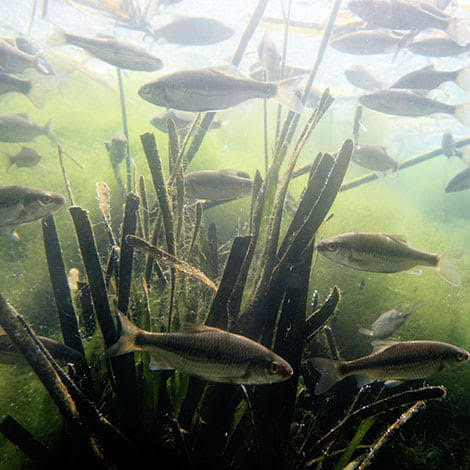
Choose Bunker to connect nursery cover with deeper structure
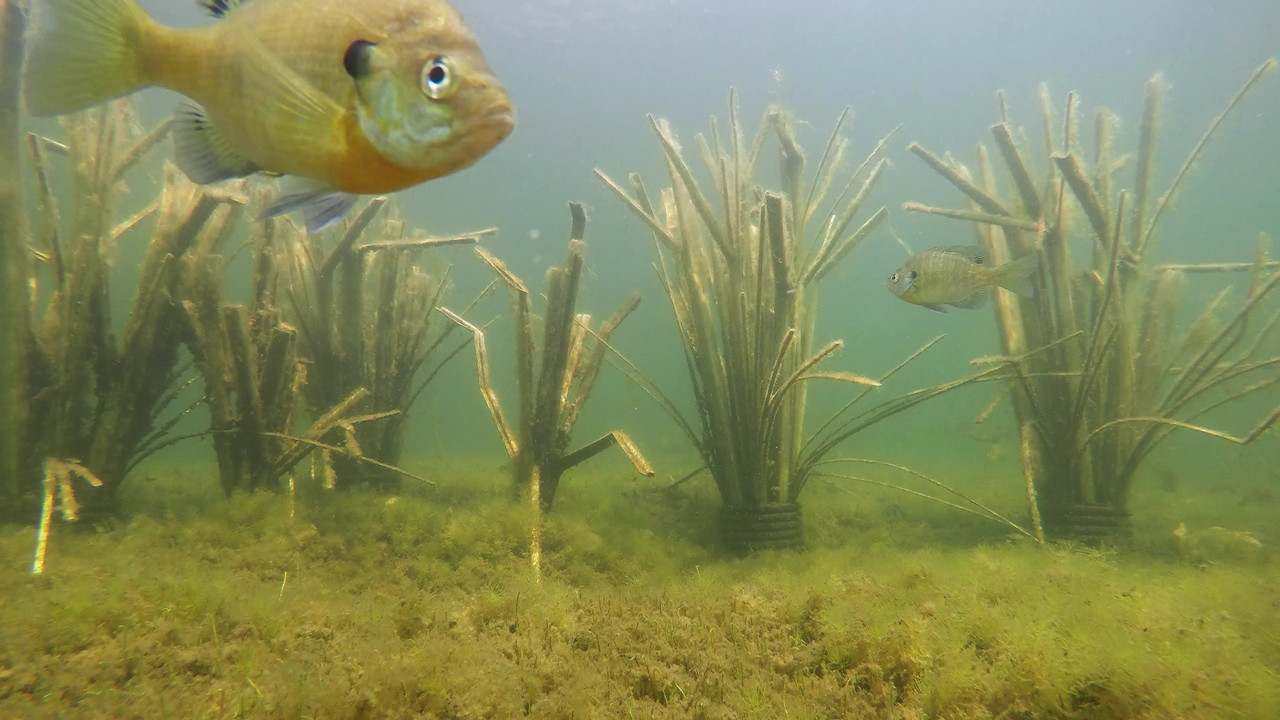
Choose Safehouse Deluxe for lower protection at 6–11 feet
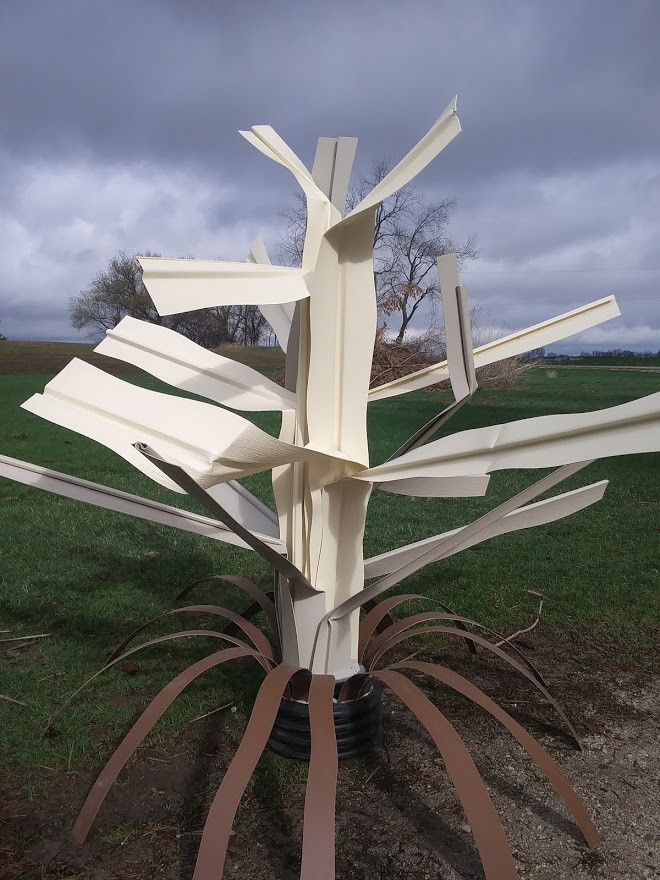
Choose Palace for broad shade and mixed-size openings
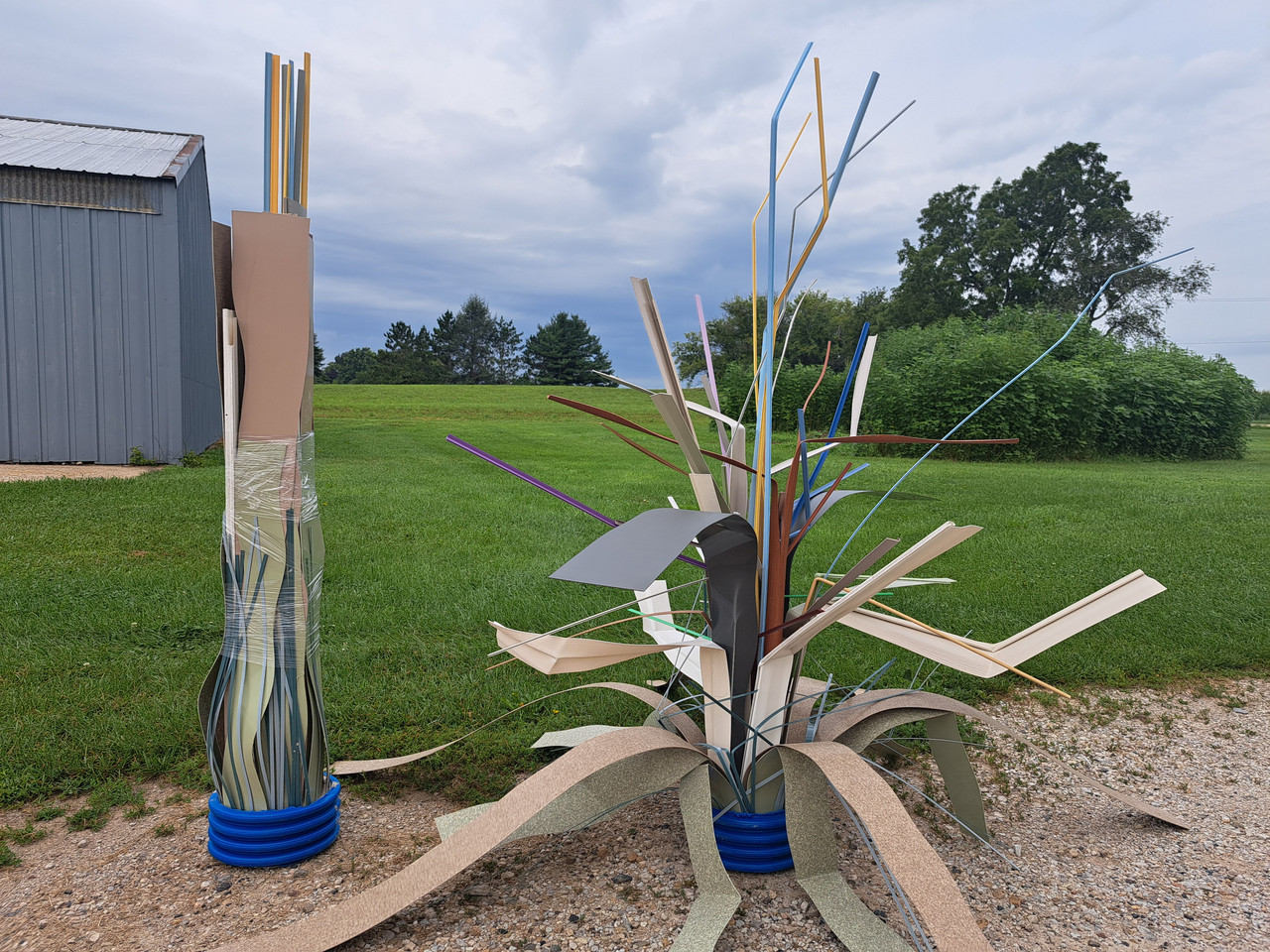
Choose Keeper for deep-water height—not shallow nursery cover
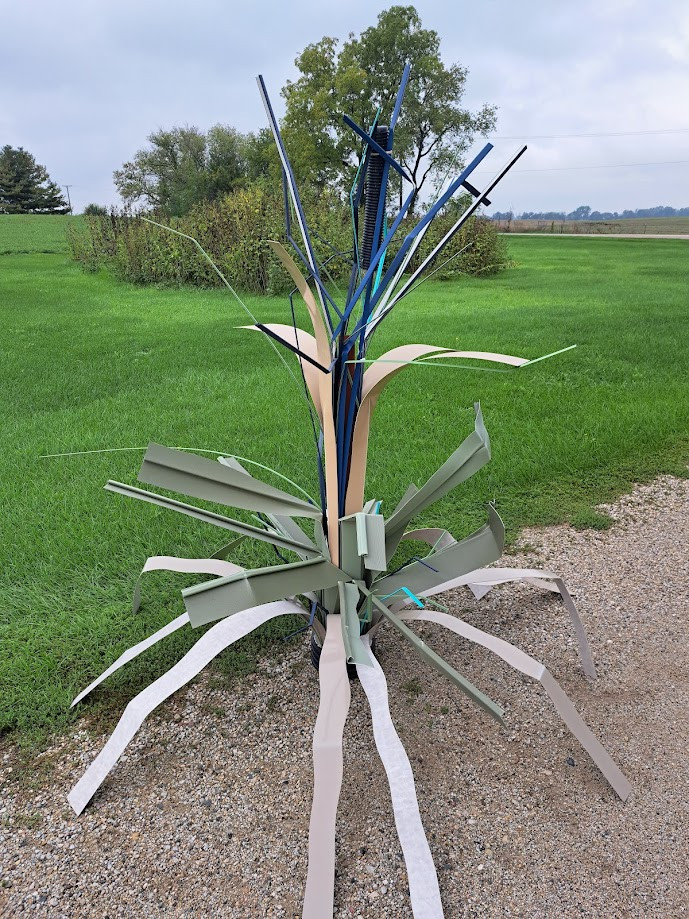
Build a varied system around your water—not a unit count
Map before placing
Combine, rather than replace
Use underwater observations to judge the habitat
Watch the structures, not only the catches
Questions before choosing your habitat
Which model should I choose for fry?
What is the difference between Fortress and Bunker?
Do these completed habitats need concrete added?
How many structures do I need for a half-acre pond?
Can I use one model throughout my pond?
Are shipping charges added to the product price?

Shop All