
Best Budget Fish Structure Options for Pond Owners (2026)
Posted by dwe on 22nd Sep 2026
The best budget fish structure for most pond owners in 2026 is a Fishiding DIY reclaimed-PVC kit because one shipment can supply multiple custom habitat units without sacrificing the dense cover small fish need. Choose a preassembled Fishiding unit when labor, tools, or safe cement work would cost more than the assembly savings; use natural brush only when you accept shorter service life and future replacement work.
- Fishiding Project Pack is the best overall budget fish structure for mixed shallow and mid-depth DIY builds.
- DIY Fine Swimmer is best for dense shallow refuge for fry, minnows, and forage fish.
- Mid Depth DIY Fish Habitat Kit is best for wider shade panels and transition cover.
- Preassembled Fishiding habitat costs more per unit but removes base-building, cement work, and assembly time.
- Budget by completed habitat zone, not by the cheapest pile of raw material.
Why budget fish structure needs a full-cost comparison
The cheapest material is not always the lowest-cost habitat after you add containers, cement, hand tools, transport, assembly time, and future replacement. A useful 2026 budget compares the complete structure placed in the water, not just the box or pile sitting beside the pond.
Fishiding makes both preassembled habitat and DIY kits from reclaimed PVC that was destined for landfills. That range lets pond owners choose where to spend money and where to contribute labor while keeping the same basic material approach: varied widths, flexible and rigid profiles, and dense openings for freshwater fish.
What makes a good budget fish structure
- Completed coverage: Compare how many finished units or how much habitat surface the material can create.
- Useful density: Fine strands protect fry and forage fish; wider limbs add shade and travel lanes for larger fish.
- Depth fit: Shallow nursery cover and mid-depth predator cover solve different jobs.
- Base requirements: Loose DIY material still needs stable containers and cement before placement.
- Labor: Cutting, sorting, pouring, curing, moving, and placing all count toward the real project cost.
- Service life: Permanent materials reduce the need to rebuild the same spot repeatedly.
- Placement safety: Keep every underwater structure outside swimming, jumping, and diving paths and record its location.
Budget fish structure options at a glance
| Option | Best for | What you supply | Main limitation |
|---|---|---|---|
| Fishiding Project Pack DIY Fish Habitat Kit | Best overall mixed DIY project | Stable bases, cement, assembly labor | Loose material is not ready to place |
| Fishiding DIY Fine Swimmer Soft Fish Habitat | Dense shallow fry protection | Bases, cement, layout work | Not intended as tall open-water structure |
| Fishiding Mid Depth DIY Fish Habitat Kit | Transition zones and wider shade | Bases, cement, assembly labor | Less fine refuge unless mixed with smaller material |
| Fishiding Shallow Multi Mix Kit | Varied shallow cover across many units | Bases, cement, sorting and pouring | Large project requires organized staging |
| Natural brush and tree limbs | Temporary trial placements | Weight, tying, transport, replacement labor | Organic material decomposes and changes shape |
| Fishiding preassembled habitat | Owners minimizing labor and tools | Placement plan and safe transport | Higher upfront cost than loose DIY material |
1. Fishiding Project Pack: best overall budget fish structure
The Project Pack contains 50 pounds of cleaned, pre-cut reclaimed PVC in varied widths, lengths, colors, and flexibility. Fishiding specifies enough material for about 12–16 DIY units, more than 275 square feet of surface area, and pieces ranging from about 16 to more than 48 inches tall.
That mix makes it the strongest general-purpose budget choice. Fine pieces can form dense refuge near the center of a unit, while wider or more rigid pieces create shade and open lanes around the outside. One pack can supply several placements instead of forcing every structure into the same shape.

Project Pack pros
- Mixed material supports shallow, transition, and mid-depth builds
- About 12–16 potential units from one pack
- More than 275 square feet of listed surface area
- Reclaimed PVC does not depend on seasonal plant growth
Project Pack cons
- You must supply bases and cement
- Finished weight and stability depend on your build quality
- Sorting and pouring multiple units takes project time
Best for: pond owners who want the most flexible DIY starting point.
Verdict: Buy if you can safely build cement-filled bases and want several different structures from one material pack. Review the Project Pack DIY Fish Habitat Kit before choosing base sizes.
2. DIY Fine Swimmer: best budget shallow nursery cover
DIY Fine Swimmer focuses on thin, flexible reclaimed PVC for dense shallow-water habitat. The 65-pound pack contains at least 500 square feet of surface area and enough material for 25 or more example units, with many pieces extending beyond 36 inches.
This is not the right choice for a sparse vertical casting marker. It is designed for small openings and fine cover used by fry, forage fish, insects, and other aquatic life. The soft material still needs cement-filled bases and must stay outside active swimming or diving areas.

DIY Fine Swimmer pros
- High listed surface area from fine material
- Builds 25 or more shallow example units
- Flexible profiles create intricate openings
- Useful near nursery and forage zones
DIY Fine Swimmer cons
- Requires many bases for a full multi-unit build
- Fine material alone provides less open spacing for larger fish
- Careful site selection is required near recreation areas
Best for: shallow ponds and shoreline zones where fry protection is the first priority.
Verdict: Buy for dense nursery cover; pair it with wider mid-depth material when the pond also needs adult-fish shade and travel lanes.
3. Mid Depth DIY Fish Habitat Kit: best for transition cover
The Mid Depth DIY Fish Habitat Kit contains 65 pounds of reclaimed PVC with pieces averaging 24–48 inches tall and 2–4 inches wide. Fishiding lists enough material for about 12–15 example units when builders use roughly five pounds per unit.
Wider limbs create shade and openings for medium and larger fish. Leave selected pieces vertical, bend others outward to expand the footprint, and add fine material where small fish need tighter refuge. The finished structure depends on your container, cement amount, spacing, and placement depth.

Mid Depth kit pros
- Wider profiles suit shade and transition cover
- About 12–15 example units per listed pack
- Rigid and flexible pieces allow varied shapes
- Works well beside shallow nursery habitat
Mid Depth kit cons
- Less intricate by itself than a fine-material mix
- You control final stability, density, and weight
- Larger finished units take more room to transport
Best for: pond owners filling the zone between shoreline nursery cover and deeper water.
Verdict: Buy when the pond already has shallow refuge but lacks wider mid-depth cover.
4. Shallow Multi Mix Kit: best for many varied shallow units
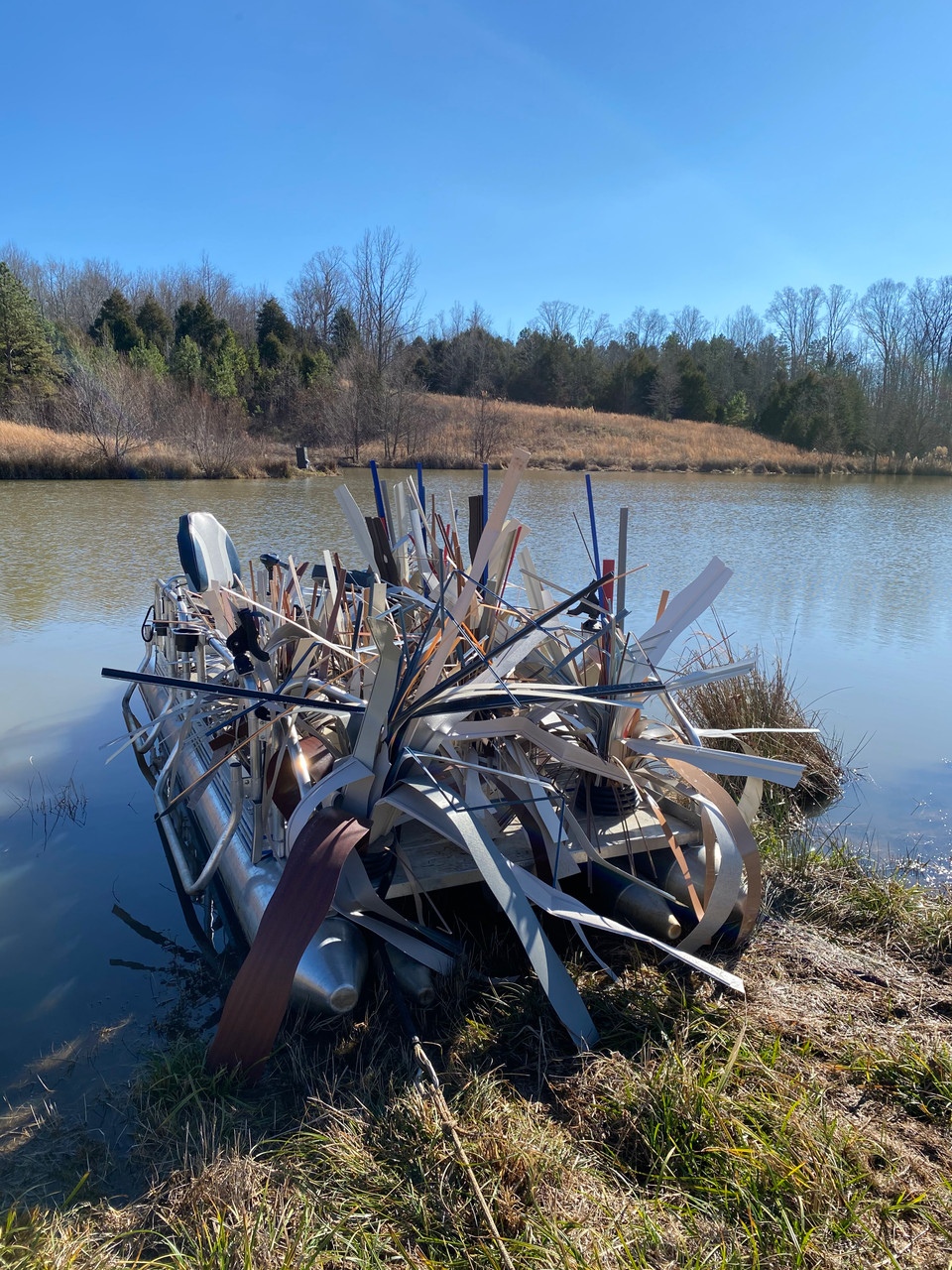
The Shallow Multi Mix Kit contains 65 pounds of reclaimed PVC, more than 500 square feet of listed surface area, and material for 25 or more example units. Pieces range from about 12–36 inches tall and include rigid and flexible profiles from roughly one-quarter inch to 2.5 inches wide.
The variety is the advantage. Fine strands create tight refuge, while wider pieces add shade and growing surface. Because reclaimed supply varies, colors and exact profiles differ, but the practical goal stays the same: avoid building 25 identical sparse units when a pond needs mixed openings.
Shallow Multi Mix pros
- Fine and wider pieces in one shallow-water pack
- More than 500 square feet of listed surface area
- Enough material for 25 or more example units
- Useful for grouped nursery complexes
Shallow Multi Mix cons
- Requires a large batch of containers and cement
- Sorting, pouring, curing, and placement take planning
- Best in shallow zones, not as the pond's only habitat type
Best for: owners building a broad shallow nursery area in organized batches.
Verdict: Buy for a planned multi-unit installation; skip it for a one- or two-unit weekend project.
Fishiding DIY habitat options
- Project Pack DIY Fish Habitat Kit — $200 delivered; 50 lb mixed reclaimed PVC for about 12–16 custom habitat units.
- DIY Fine Swimmer Soft Fish Habitat — $325 delivered; fine flexible reclaimed PVC for 25+ shallow nursery units.
- Shallow Multi Mix Kit DIY Fish Cover — $375 delivered; mixed shallow reclaimed PVC for 25+ varied habitat units.
- Mid Depth DIY Fish Habitat Kit — $375 delivered; wider reclaimed PVC for about 12–15 transition habitat units.
Fishiding prices include free shipping. Required sales tax applies only to Illinois residents.
5. Natural brush: best for testing a location
Brush, discarded limbs, and untreated natural wood can create immediate complexity when local rules permit placement. The material can be inexpensive when it already exists on the property, making it useful for testing whether fish use a bank, point, or depth break before committing permanent habitat there.
The tradeoff is change. Small branches soften, break, and settle, so the original shape does not remain consistent. Natural brush also requires secure weighting and careful transport, and some water bodies restrict what owners can place.
Natural brush pros
- Low material cost when clean wood is already available
- Useful for temporary placement tests
- Irregular branches create immediate complexity
Natural brush cons
- Organic material changes and decomposes underwater
- Replacement labor is part of the long-term budget
- Rules and permits vary by water body
Best for: short-term trials on private water where placement is allowed.
Verdict: Hold as a supplement or test, not the only long-term habitat plan.
6. Fishiding preassembled habitat: best when labor is the expensive part
DIY is not automatically cheaper for every owner. If you need to buy tools, move wet cement, store curing units, or hire help, a finished self-weighted habitat can be the better budget decision. Fishiding's preassembled models have cement built into the patented design and need no separate ballast or anchor.
A shallow model such as the Cradle is designed for 2–6 feet of freshwater, stands about 28–32 inches tall, opens beyond 50 inches in diameter, and provides approximately 30 square feet of habitat surface. That gives you a known finished unit rather than a pile of components and an uncertain build day.
Preassembled habitat pros
- Built-in cement weight from day one
- No separate anchor or ballast
- Consistent finished density and dimensions
- Faster path from delivery to placement
Preassembled habitat cons
- Higher upfront cost than loose material
- Less customization than building every unit yourself
- Finished units need a safe handling and placement plan
Best for: owners with limited time, tools, workspace, or help.
Verdict: Buy when the value of saved labor exceeds the DIY assembly savings. See the Cradle shallow fry habitat for one ready-to-place shallow option.
How these budget options were ranked
The 2026 ranking weighs completed coverage, density, depth fit, added materials, labor, durability, and placement safety. The Project Pack ranks first because its mixed profiles can supply several habitat types from one shipment. Fine Swimmer and Shallow Multi Mix rank higher for nursery work, while the Mid Depth kit fills the transition zone. Natural brush remains useful for low-cost trials, and preassembled Fishiding habitat wins when construction time and equipment are the real constraints.
The cheapest pile beside the pond is not always the lowest-cost habitat after assembly, weighting, placement, and replacement.
Which budget fish structure should you choose?
Choose the Project Pack when you want one flexible DIY supply for several shallow and mid-depth units. Choose Fine Swimmer or Shallow Multi Mix when fry and forage protection are the primary goal. Choose the Mid Depth kit when wider shade and transition cover are missing. Choose preassembled Fishiding habitat when you want to avoid cement work and get a known, self-weighted finished unit.
For a full depth-based comparison, use the best DIY fish habitat kits for pond owners guide before finalizing quantities and placement zones.
Frequently asked questions
What is the best budget fish structure for pond owners in 2026?
The Fishiding Project Pack is the best overall budget fish structure for pond owners in 2026 because its mixed reclaimed PVC can build about 12–16 varied DIY units. You supply stable bases, cement, and assembly labor.
Is DIY fish habitat always cheaper than preassembled habitat?
No. DIY saves on factory assembly but adds bases, cement, tools, curing space, transport, and your labor. Preassembled habitat can cost less overall when time or safe construction help is limited.
Which budget fish structure is best for fry and minnows?
Fishiding DIY Fine Swimmer or Shallow Multi Mix is best for fry and minnows because both emphasize dense shallow cover with fine reclaimed-PVC profiles. Pair shallow refuge with wider nearby cover for larger fish.
What do I need to build Fishiding DIY habitat?
You need stable containers or bases, a suitable cement mix, hand tools appropriate for the material, protective equipment, curing space, and a safe placement plan. Loose DIY material is not self-weighted until you build the base.
Can I use natural brush instead of artificial fish habitat?
Yes, where local rules allow it, natural brush can test a location or supplement permanent habitat. It decomposes and changes shape, so include future replacement work in the budget.
Do Fishiding preassembled structures need anchors?
No. Fishiding preassembled habitat is self-weighted with cement built into the patented design from day one, so no separate anchor or ballast is required.
Should a small pond use only shallow fish structure?
No. A balanced pond plan uses shallow nursery cover plus transition or mid-depth structure where larger fish travel and feed. Match each structure to the actual pond contour.
Does Fishiding charge separate shipping on these products?
No. Fishiding product prices are delivered prices with free shipping throughout. Required sales tax is charged only to Illinois residents.
One last thing
Do not spread a limited budget across many sparse units. Build fewer structures with mixed opening sizes and enough density to protect small fish, then place them in connected shallow and transition zones. Fishiding's more than 15 years and thousands of hours of underwater freshwater observations consistently show fish using dense, intricate habitat rather than treating structure as a simple object to swim past.
Related guides