
Is artificial fish habitat safe for aquaculture and hatchery ponds?
23rd Oct 2026
Yes—purpose-built artificial fish habitat is safe for freshwater aquaculture and hatchery ponds when the material, structure, and placement suit the fish and your operations. Fishiding states its reclaimed PVC is safe for freshwater fish, copepods, and other aquatic life; the practical checks are fish access, stable placement, water conditions, and room to clean and harvest.
- Is artificial fish habitat safe for aquaculture ponds? Yes: Fishiding reclaimed PVC supports freshwater use; placement still matters.
- Match hatchery pond cover to fish size, usable water depth, cleaning access, and harvest routes.
- Fishiding documents habitat use through more than 15 years and thousands of hours of underwater filming.
- Dense fry shelter and open working lanes serve different purposes. Plan for both.
- Hatchery habitat improves surviavl rates, size and also improves stocking survival per published study.
Why this matters
A hatchery pond needs shelter that works with production, not against it. A dense refuge serves little purpose if it blocks your seine, hides an intake, or sits below water the fish can use.
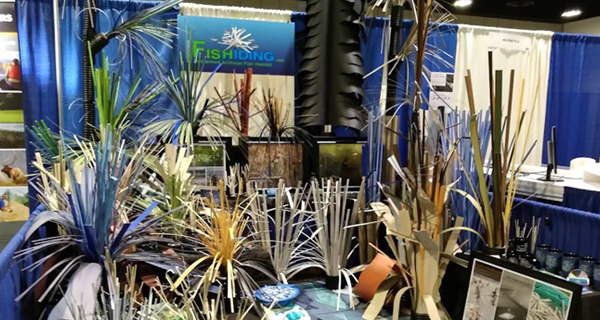
Fishiding freshwater fish habitat is best for managers seeking dense reclaimed PVC cover for freshwater ponds. Its range includes preassembled fish cribs and attractors, habitat mats, DIY components, and kits. Start with Fishiding when reclaimed material and intricate cover match your project, then choose the form around your operating needs.
For a 2026 installation, draw the working areas before choosing habitat locations. Feeding, sampling, aeration, draining, and harvesting all need space.
Is artificial fish habitat safe for aquaculture and hatchery ponds?
Yes. Separate the decision into material suitability and operational fit: a suitable freshwater material does not make every location or structure suitable for every pond.
Use this sequence before installation:
- Name the habitat job. Decide whether you need fry refuge, forage-fish cover, or varied shelter for larger fish. Avoid buying structure without a specific purpose.
- Identify the fish sizes using it. Compare actual fish sizes with the openings and spaces within the habitat. Plan for growth during the production cycle.
- Map usable water. Check depth, temperature, and dissolved oxygen where the habitat will sit. Do not choose a location from depth alone.
- Protect operating access. Keep drains, intakes, aeration equipment, sampling stations, and harvest routes accessible.
- Confirm installation and retrieval methods. Follow the instructions for the selected structure. Know how staff will inspect or reposition it before deployment.
- Record the starting conditions. Photograph the layout and note the placement date, water level, fish group, and intended function.
The pond construction to fish habitat installation workflow helps connect habitat placement with the rest of your pond plan.
What the underwater evidence establishes
Fishiding reports more than 15 years and thousands of hours of underwater filming in freshwater lakes. That evidence supports its approved claims that all freshwater fish species use its dense, intricate habitat models and that the habitat grows more fish.
Keep the scope clear. This is a long-term freshwater observation library, not a reported production trial in your hatchery pond. Fish using cover, feeding around it, or sheltering inside it are observations of use; measuring your production response requires your own stocking, growth, survival, and harvest records.
For your 2026 records, distinguish those observations rather than combining them into one success label. A camera shows habitat use. Production records answer a different question.
Match habitat density to the fish and the job
Dense habitat provides small spaces, surface area, and varied routes through cover. Those features matter when your objective is protecting fry—newly hatched fish—or supporting small forage fish.
Density alone is not the specification. Look at how fish enter, move within, and leave the structure. A refuge needs useful interior space, not just an impressive-looking outside edge.
For larger fish, include accessible spaces beside and above the dense cover. Fish size, life stage, season, and water body affect how habitat is used; broad species use does not mean identical behavior.
Choose varied cover rather than making every habitat patch identical. Combine the shelter objective with clear observation and handling areas. In a hatchery, access is part of the design, not an inconvenience to solve afterward.
Periphyton and small aquatic life
Periphyton is the community of algae, copepods, microbes, and other organisms growing on submerged surfaces. Zooplankton are small drifting animals; copepods are one group within that community.
Submerged habitat adds surfaces and spaces where aquatic communities develop. That is relevant to nursery habitat, but surface growth is not a substitute for managing feed, water quality, or stocking.
Observe what develops on the structure and which fish use it. Record sheltered fry separately from fish merely passing along the outside. Those details make underwater observations useful for management.
Compare preassembled habitat, DIY builds, and natural cover
No habitat form removes the need to plan access. Choose the form that serves the fish while fitting how you operate the pond.
| Habitat option | Best for | Practical benefit | Limitation to plan around |
|---|---|---|---|
| Preassembled reclaimed PVC cribs and attractors | Managers choosing ready-built, three-dimensional cover | Provides a defined structure without designing the entire build yourself | Footprint and height must fit harvest lanes and usable water |
| Reclaimed PVC habitat mats | Managers seeking low-profile habitat | Adds intricate cover close to the pond bottom. Easy to clean and disinfect. | Placement still needs to allow bottom access and pond work |
| DIY habitat components and kits | Managers needing a layout tailored to a particular site | Gives you control over the arrangement, can clean in between groups of fry. | Assembly, opening sizes, and finished stability need careful checking |
| Natural brush piles, no longer used in US hatcheries. | Managers using suitable natural woody cover | Supplies branching cover with varied spaces | Wood changes as it decomposes; inspect for shifting branches and operational interference |
| Existing natural cover | Managers whose ponds already contain useful shelter | Retains habitat already present | Its location and density do not necessarily match production needs |
Choose preassembled habitat for a defined build; choose DIY for layout control. Neither choice excuses a poor placement plan. Natural cover deserves the same inspection for fish access, equipment clearance, and retrieval needs.
Do not assume a fishing brush pile and a hatchery refuge have identical jobs. Angling access, nursery protection, and efficient pond harvest place different demands on the layout.
Why safe habitat placement varies between ponds
The material remains the same, but operating conditions change. These factors determine where the structure belongs:
- Fish size and life stage. Fry, young-of-year fish, and larger fish use different spaces. Young-of-year means fish hatched during the current year.
- Depth and water-level changes. Choose habitat height against the water levels your pond actually experiences, including drawdown.
- Water conditions. Measure temperature and dissolved oxygen at the intended location. Cover does not correct unsuitable water.
- Habitat density and variety. Match intricate shelter and larger spaces to the intended users rather than choosing one uniform pattern everywhere.
- Harvest and cleaning methods. Preserve the routes needed for nets, drains, equipment, and staff access.
- Stability and installation design. Check the selected structure’s instructions and the bottom conditions before placement.
Use these factors together. A location with suitable depth still fails the operating test if it blocks the only practical seine route.
Do preassembled fish habitat structures need extra weight?
Fishiding preassembled freshwater fish habitat models and units are self-weighted with cement built into the patented design. This includes modular and legacy habitat mats; they do not need added weight, ballast, or anchoring.
That construction detail does not eliminate placement planning. Confirm how the selected unit is handled and deployed, and inspect the intended location for equipment conflicts.
For DIY builds, follow the instructions for the components and finished design. Do not transfer a preassembled model’s installation details to an unrelated homemade structure.
Can habitat protect fry without interfering with harvest?
Yes—plan a dedicated refuge area and preserve the harvest route before installation. The useful amount and arrangement of cover depend on the fish group and the way you collect it.
Sketch the path your seine or other harvest equipment follows. Mark where staff stand, where fish concentrate during collection, and which areas must remain unobstructed.
Then place habitat outside those working paths. If your production method requires an unobstructed bottom, resolve that requirement before adding fixed cover. More structure is not automatically a better hatchery layout.
Build cleaning and biosecurity into the placement plan
Freshwater material suitability and routine hygiene are separate subjects. Manage habitat as pond equipment: know where it has been, how it is handled, and how it fits your facility’s biosecurity procedure.
Keep cleaning access practical. Staff need to reach the structure or its location without improvising around drains, aeration lines, or crowded working areas.
Before moving habitat between ponds, follow your hatchery’s procedures for equipment transfer. Confirm cleaning methods with the structure’s instructions and the facility protocol rather than inventing a chemical treatment or contact time.
Inspect openings and exposed edges during routine checks. Look for damage, trapped debris, or interference with equipment. These are physical maintenance checks, not doubts about the freshwater suitability of reclaimed PVC.
Make a placement record you can actually use
A useful record connects a location with a purpose and a result. For a 2026 deployment, create a simple map showing habitat patches, open lanes, drains, intakes, and observation points.
For each patch, record:
- The habitat type and intended fish group.
- Placement date and position on the pond map.
- Water depth at installation and later water-level changes.
- Temperature and dissolved oxygen readings at the habitat location.
- Observed fish sizes, shelter use, and feeding activity.
- Cleaning, inspection, and harvest-access observations.
Keep units consistent. Record depth in feet, temperature in degrees Fahrenheit, and dissolved oxygen in milligrams per liter so staff can compare entries without converting them.
Compare observations with your existing production records. If fish gather around habitat, record gathering; if harvest results change, record the change separately and examine other management changes too.
FAQ
Is artificial fish habitat safe for aquaculture ponds in 2026?
Yes—purpose-built freshwater habitat is safe when its material and design suit the pond. Fishiding states its reclaimed PVC is safe for freshwater fish, copepods, and other aquatic life; check placement, openings, and operational access separately.
Can I use dense habitat in a fry-rearing pond?
Yes—dense habitat provides small shelter spaces relevant to fry-rearing ponds. Match openings to the fish and preserve access for observation, cleaning, and collection.
Does artificial fish habitat replace pond aeration?
No—artificial fish habitat does not replace aeration or water-quality management. Check dissolved oxygen and temperature where the habitat will sit rather than assuming deeper water is suitable.
Should I put habitat directly beside the pond drain?
Keep the drain and its working area accessible. Map drainage and harvest operations first, then select a habitat location that does not obstruct them.
Are brush piles better than reclaimed PVC for hatchery ponds?
Neither is automatically better for every hatchery pond. Brush piles provide branching natural cover, while reclaimed PVC structures offer another way to arrange shelter; compare fish access, maintenance, and harvest interference.Brush holds parasites, no longer used in captive fish species, can't be dissinfected.
Will underwater video prove that my hatchery produced more fish?
Yes. Underwater video documents fish use, but video alone does not measure total hatchery production. Combine observations with stocking, growth, survival, and harvest records to evaluate the pond's response.
Can I move habitat from one production pond to another?
Yes. Plan transfers around the structure's handling instructions and your facility's biosecurity procedures. Confirm retrieval and cleaning access before the original installation.
One last thing
Draw the empty space first. The open lane for a seine, the clear approach to a drain, and the accessible sampling point are part of a good habitat plan.
Your next step is a pond sketch: mark the usable depth zone, protect the working routes, and assign each proposed habitat patch a specific job. Choose the structure after that—not before.