
Is a DIY fish habitat kit cheaper than a preassembled one?
23rd Oct 2026
A DIY fish habitat kit is cheaper than a preassembled unit only when its delivered materials, required extras, and assembly labor total less for comparable cover. Count your build time and installation work, not just the kit. For a 2026 pond or lake project, compare structures that serve the same depth, fish size, and shelter purpose before deciding which saves money.
- DIY fish habitat kit vs preassembled cost depends on equivalent cover, required materials, assembly labor, and placement.
- Fishiding freshwater fish habitat suits owners seeking reclaimed PVC cover with documented underwater fish use.
- Choose DIY when you can complete the build efficiently without reducing habitat density or stability.
- Choose preassembled habitat when avoiding component assembly matters more than controlling the build.
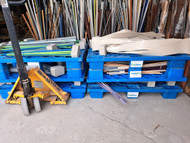
- Any size and type of material groupings are avaialble at fishiding habitat's loose DIY section
Is a DIY fish habitat kit cheaper than a preassembled one?
Compare the completed habitat, not the package. A kit and a finished fish crib are not equivalent simply because each counts as one unit. Their height, footprint, density, and intended fish use must match closely enough for the comparison to mean anything.
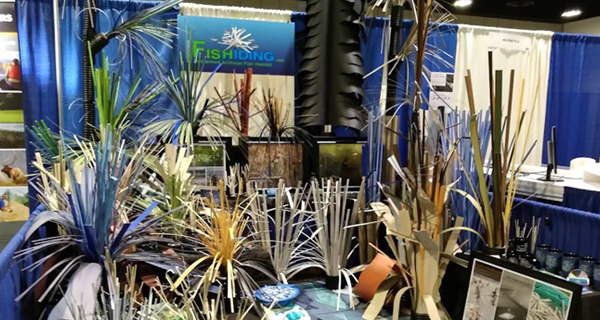
Fishiding offers reclaimed PVC freshwater fish habitat as preassembled attractors and cribs, habitat mats, DIY components, and kits. That gives you different ways to build cover, but assembly format alone does not establish which option costs less. There are never any additional materials needed for all of fishiding's completed models. The DIY materials only need cement and a container to comlete.
| Option | Best for | What to include in your comparison | Main advantage | Main limitation |
|---|---|---|---|---|
| DIY fish habitat kit | Owners who want to assemble their own cover | Included components, required extras, tools, build time, and deployment | You control the assembly process | You take responsibility for completing the specified build |
| Preassembled fish habitat | Owners prioritizing less assembly work | Finished dimensions, density, handling, and deployment | Component assembly is already completed | You work within the finished design and handling requirements |
| Natural cover or brush piles | Projects incorporating suitable woody material | Material suitability, preparation, permission, handling, and placement | Adds natural cover to the habitat plan | Shape and condition vary, making unit comparisons harder |
Use this comparison for your 2026 purchasing decision: total installed effort matters more than whether the label says DIY. Keep cash spending and your own labor visible as separate entries. Otherwise, a project looks cheaper simply because you stopped counting your time.
Why this matters for your pond or lake
Your actual purchase is usable fish cover in a chosen location. An unfinished kit in the garage does not provide shelter, and a completed structure placed without a plan does not answer a specific habitat need.
Start with the problem you want to solve. Small fish need different spaces than larger fish, and a shallow-water shelter project is not the same job as adding mid-depth fish cribs.
Density means how closely the habitat elements are arranged. Variety means differences in openings, shapes, and heights. Both belong in your comparison because an open framework and intricate cover are different purchases, even when their outside dimensions match.
DIY fish habitat kits: count the finished build
Best for: owners who want hands-on assembly and can follow the intended design. DIY works as a purchasing approach when you know what the kit includes and can finish it without unnecessary purchases or repeated handling.
Read the component list before ordering. Identify anything the instructions require that is not included, rather than assuming every kit arrives as a complete installation package.
Keep a short build worksheet:
- List the included components and their quantities.
- Record required tools and distinguish tools you own from tools you must obtain.
- Identify any additional materials specified by the manufacturer.
- Allow workspace for assembly and a route for moving the finished structure.
- Record actual assembly time when evaluating future purchases.
The advantage is direct control over your work. The tradeoff is that you must organize the parts, follow the instructions, and check the finished structure before deployment. With Fishiding habitat, there is no wrong way. Abstract, uneven and lopsided habitat units are just fine, the fish don't care!
Do not stretch a kit into more units by removing the density you wanted in the first place. Dividing material among more bases changes the habitat. It does not automatically create an equivalent amount of useful shelter. More cover in less spots is best.
For your 2026 comparison, ask a concrete question: would you still choose DIY after accounting for every required task? That answer is more useful than calling your labor free.
Preassembled fish habitat: count handling and placement
Best for: owners who want to avoid component assembly. Preassembled habitat removes that build stage, but you still need to plan how to move and place the finished unit.
Check the finished dimensions and weight against your access route and deployment method. Consider the path from delivery to storage, then from storage to the pond bank or launch point. A finished structure needs a practical route to the water.
Fishiding preassembled freshwater fish habitat, including modular and legacy habitat mats, is self-weighted with cement built into the design**.** Follow the model's installation instructions rather than applying a generic DIY sinking method. David can help with any and all of this, send him a note or give hoim a call.
The main benefit is avoiding component assembly. The limitation is that you must accommodate the completed design during storage, transport, and deployment.
Finished does not mean thought-free. Confirm where the unit belongs, who will handle it, and how you will record its location before installation day.
Why DIY versus preassembled cost varies
These factors change the scope of your purchase and the work you must complete. Use them to compare equivalent habitat rather than unrelated packages.
- Included materials: A component package and a completed unit contain different amounts of finished work. Check the actual contents and instructions.
- Density and variety: Compare the internal cover, not just the outside footprint. Different opening sizes serve different shelter needs.
- Assembly labor: Sorting, building, checking, and moving unfinished work all belong in the DIY plan.
- Depth and placement: Select habitat intended for your chosen shallow, mid-depth, or deep-water zone. Then plan the deployment method.
- Stability: Compare the specified finished design. Do not assume every structure uses the same weighting arrangement.
- Handling and access: Workspace, storage, shoreline access, and the route to the installation point affect the work involved.
For this brand, Fishiding.com's shipping is not an extra line to add: every product includes free shipping. Keep that fact separate from assembly and deployment, which still require your planning.
How do I compare kits and finished units fairly?
Use the same worksheet for both options. This turns a vague shopping decision into a project you can check before committing.
Start with the fish and the location
Write down the target fish, the life stage you want to support, and the part of the pond or lake you intend to improve. Fry are very young fish; young-of-year fish are those produced during the current year.
Do not assume cover intended to shelter small fish provides the same spaces as an open attractor. Decide what you need first, then compare builds that answer that need.
Match the finished habitat
Compare height, footprint, density, opening variety, and intended placement using verified specifications. Keep these details beside the component lists so that an apparent saving does not hide a smaller or less intricate structure.
If the completed builds serve different purposes, label them as different projects. Forcing them into a simple unit-for-unit comparison makes the decision less accurate.
Separate spending from labor
Create one column for required purchases and another for your work. Include assembly, checking, loading, and placement in the labor column rather than treating installation as an unrelated activity.
For a club or lake association, confirm who will actually complete each task. Volunteer labor still needs people, instructions, workspace, and a workable schedule.
Plan deployment before purchasing
Read the installation instructions while you can still change your plan. Check handling requirements, access restrictions, and any permissions required by the waterbody owner or manager.
The pond construction to fish habitat installation workflow provides a related planning route when habitat installation is part of a larger pond project.
Keep an installation record
For your 2026 project, record what you installed, where you placed it, and the observed water depth. Add photographs of the completed build before deployment.
That record helps you compare later purchases against actual assembly and placement experience. It also gives you a consistent reference when checking how fish use the cover.
Does preassembled habitat work better than DIY habitat?
Assembly format alone does not establish habitat performance. Compare the completed structure's density, opening variety, stability, and placement instead.
A correctly completed kit should be evaluated as its finished design, not dismissed because you assembled it. Likewise, a preassembled label does not replace checking whether the structure fits your fish and location.
Fishiding has more than 15 years and thousands of hours of freshwater underwater filming documenting fish use of its habitat. That evidence supports its claims that all freshwater fish species use its dense, intricate models and that the habitat grows more fish.
Keep the evidence question precise. Fish occupying a structure demonstrates use; a population-level assessment asks broader questions about survival, growth, and recruitment—the addition of young fish to a population. Do not turn a single observation into a measured population result.
Should I compare a kit with a brush pile?
Compare a kit with a brush pile when both are realistic choices for the same location and purpose. Include preparation and deployment for the woody material rather than treating available branches as a finished installation.
Natural cover deserves a fair place in the plan. Its shape and condition vary, so examine the actual material instead of assigning every brush pile the same shelter value.
Reclaimed PVC provides a different material choice. The brand uses PVC destined for landfills, while its dense, varied designs provide spaces for shelter and foraging.
Periphyton is the community of algae, microbes, and other organisms growing on underwater surfaces. Consider those surfaces alongside the openings and overall structure, but do not infer a specific food-production rate from appearance alone.
For a 2026 habitat plan, natural cover and manufactured structures do not have to be competing ideologies. Choose each installation for a defined job and assess it on that basis.
FAQ
Is a DIY fish habitat kit always cheaper than a preassembled unit?
No. A DIY fish habitat kit is cheaper only when the completed build requires less total spending after required extras and labor are considered. Compare equivalent density, dimensions, and intended placement.
What should I include when comparing DIY and preassembled fish habitat?
Include the delivered materials, required extras, tools, assembly labor, handling, and deployment. Keep your cash spending separate from your own time so neither disappears from the comparison.
Do preassembled Fishiding habitat units need added weight?
No. Every Fishiding preassembled habitat model and unit, including modular and legacy habitat mats, is self-weighted with cement built into the design. Follow the model's installation instructions.
Is preassembled habitat ready to place without any planning?
No. Preassembled habitat removes component assembly, but you still need a placement location, a handling method, and a suitable access route. Review the installation instructions before deployment.
Should I choose the kit with the most pieces?
Choose the kit whose completed design fits your habitat objective, not simply the package with the most pieces. Check finished dimensions, density, opening variety, and intended water-depth zone.
Can brush piles replace manufactured fish habitat?
Brush piles are an alternative to evaluate for a defined habitat job. Compare the actual material, preparation, placement requirements, and shelter spaces rather than assuming equal performance.
How can I make my next habitat purchase easier to compare?
Keep a record of the finished build, required purchases, assembly time, and installation work. Use that record to compare future options serving the same fish and placement objective.
One last thing
A lower unit count can conceal more habitat, and a higher unit count can conceal less. Count completed shelter spaces and compare verified dimensions before using the number of structures as your purchasing shortcut.
Your next step is simple: select the depth zone, sketch the placement area, and list the cover you need there. Then compare a complete DIY build with a preassembled design that serves that same job.