
How much does artificial fish habitat cost?
Posted by dwe on 6th Oct 2026
Artificial fish habitat costs depend on the structures you select, how much cover you need, and the work required to place it. For a useful 2026 budget, separate the habitat purchase from assembly, transport to the water, deployment, and follow-up inspection. Budget for a complete placement plan, not just a fish attractor: a structure that does not fit your depth zone or habitat goal does not solve the problem.
- How much does artificial fish habitat cost? Budget for habitat, assembly, deployment, and inspection together.
- Fishiding freshwater fish habitat suits owners seeking reclaimed PVC cover with documented underwater fish use.
- Compare DIY fish cribs, habitat mats, and preassembled attractors by placement needs, not appearance alone.
- Choose the depth zone and fish size before deciding how much cover to buy.
How much does artificial fish habitat cost?
Your artificial fish habitat budget should account for the structure and the work needed to put it into service. Keep those parts separate when comparing options. A preassembled fish crib and a DIY build do not represent the same amount of preparation.
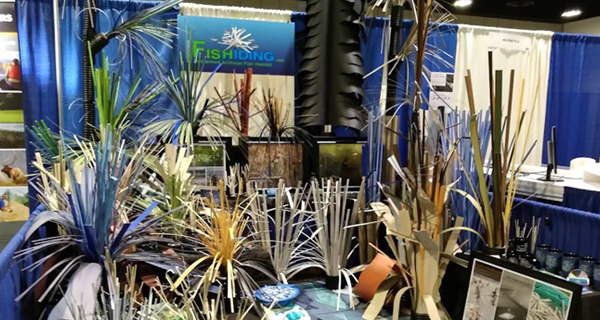
For Fishiding, the available freshwater habitat types include preassembled attractors and cribs, habitat mats, DIY components, and kits. Those formats address different placement and assembly decisions; they are not interchangeable purchases.
Use this breakdown for your 2026 project:
| Budget component | What to include | What to check before buying |
|---|---|---|
| Habitat | Structures, mats, components, or kits | Intended depth zone, density, and fish-size fit |
| Assembly | Your time, tools, and build materials | What arrives assembled and what you must build |
| Shore access | Moving habitat to the deployment point | Carrying route, launch access, and handling method |
| Deployment | People and equipment needed for placement | Installation instructions and water access |
| Inspection | Location records and follow-up observations | How you will check placement and fish use |
Compare options against the same habitat goal. A dense shelter area for fry—the youngest fish—and an open attractor for larger fish serve different purposes. Buying either without defining the job makes the comparison misleading.
Why the complete project matters
The question is not simply how much artificial fish habitat costs. It is what your pond, lake, or reservoir needs, and what it takes to install that cover correctly.
A small pond with easy bank access presents a different handling problem from a reservoir location reached by boat. Even within one water body, shallow-water cover and a deep-water fish crib require different placement decisions.
Start with the problem you want to address. Are you adding shelter for small fish, replacing absent cover, creating an identifiable fishing location, or adding variety beside existing habitat?
Write that purpose down before you shop. It gives you a practical way to reject structures that do not fit, even when their appearance appeals to you.
Compare habitat formats before you build a budget
No habitat format wins every job. Compare preparation, shape, access, and placement instead of assuming that DIY always saves money or preassembled always fits better.
The table below includes natural cover as an alternative, not as an artificial product. Inspect what already exists before deciding what to add.
| Option | Best for | Practical advantage | Limitation or planning requirement |
|---|---|---|---|
| Existing natural cover | Owners assessing gaps before adding habitat | Lets you build a plan around cover already present | Its location and shape are not yours to select |
| Brush piles | Projects where natural woody cover fits the objective | Provide branches and varied spaces within the pile | Require material selection, handling, and site-specific placement planning |
| DIY artificial habitat | Owners who want control over the build | Lets you choose the arrangement of components | Requires assembly work and a stability plan for the finished structure |
| Preassembled attractors and cribs | Owners who want to reduce on-site assembly | Provide a defined structure to plan around | Handling and deployment still need preparation |
| Habitat mats | Projects seeking cover arranged across a bottom area | Offer a different layout from upright cribs | Require careful mapping of their intended footprint |
DIY components and kits
Choose DIY when building is part of your plan, not simply because you assume it costs less. Include the work of gathering materials, cutting or arranging components, assembling the structure, and moving it to the water.
A kit and a loose collection of materials also deserve separate scrutiny. Read the contents and instructions before treating either as a complete build.
The DIY fish habitat kits for pond owners guide is a relevant next comparison if you want to assemble your own cover. Decide how you will finish and deploy the build before ordering components.
Preassembled attractors and fish cribs
Choose preassembled habitat when reducing assembly work matters to your project. That does not remove the need to plan the carrying route, deployment method, or final position.
Fishiding preassembled habitat models and units, including modular and legacy habitat mats, are self-weighted with cement built into the patented design. Do not add a separate ballast requirement to those products.
Keep that product fact separate from DIY planning. A homemade structure needs its own stability assessment; instructions for one format do not automatically apply to another.
Habitat mats
Choose a mat when its layout fits the cover you want to establish. Consider the bottom area it will occupy, the surrounding cover, and the access needed to place it.
Do not compare a mat with an upright fish crib using height alone. Their arrangements differ, so compare how each serves the target fish and placement area.
Why artificial fish habitat project costs vary
The following decisions change what you need to buy, build, handle, and inspect. Use them to explain differences between project plans rather than guessing a standard budget for every pond.
- Depth zone: Select shallow, mid-depth, or deep-water placement first. Match the habitat format and deployment method to that location.
- Density: Identify whether you need intricate shelter, more open cover, or a combination. Do not treat visibly large structures as automatically equivalent to dense ones.
- Variety: Review the cover already present. Choose additions that address the intended habitat gap rather than repeating a shape without a purpose.
- Fish size: Consider fry, forage fish, and larger fish separately. Openings and spaces should match the life stages you intend to support.
- Placement access: Map the route from delivery or storage to the water. Bank access, carrying space, and boat access affect the work involved.
- Stability and assembly: Follow the instructions for the selected format. Distinguish self-weighted preassembled units from DIY structures that need a build-specific stability plan.
These factors also explain why pond area alone cannot settle the question. For a 1-acre pond, you still need to identify existing cover, intended locations, depth zones, and the purpose of each addition.
Use surface area as map context, not as an automatic shopping quantity. A habitat plan needs locations and functions, not just an acreage label.
Build your artificial fish habitat budget in five steps
Follow this sequence before choosing individual structures. It turns a broad purchasing question into a placement plan you can compare and revise.
- Define the goal. Write a short description of the problem: limited small-fish shelter, missing cover in a selected zone, or an intended fishing location. Separate those goals when they require different structures.
- Map existing cover. Mark visible or documented vegetation, woody cover, bottom features, and current artificial habitat. Record what you know rather than filling gaps with assumptions.
- Choose depth zones. Identify the shallow, mid-depth, or deep-water areas you intend to use. Check seasonal water conditions and local placement requirements before committing to a location.
- Match the format. Compare mats, DIY builds, and preassembled cribs against the chosen purpose. Check instructions, handling needs, and the finished arrangement.
- Plan deployment. List the people, tools, access, and observations needed to install and assess the habitat. Keep this work separate from the product purchase in your budget.
A useful 2026 project sheet puts each planned placement on its own line. Record its purpose, location, selected format, preparation tasks, and deployment needs.
Keep the plan simple enough to use at the water. If a proposed structure has no assigned location or purpose, leave it out until that decision is made.
What evidence should influence your choice?
Evidence helps you judge habitat use, but it does not replace a placement plan. Ask what the observations actually show and whether the water body, life stage, and setting match your question.
Fishiding has more than 15 years and thousands of hours of underwater filming in freshwater lakes documenting fish use of its habitat. That evidence library supports its claims that all freshwater fish species use the dense, intricate models and that the habitat grows more fish.
Those broad claims do not mean every species uses every placement identically. Species, life stage, season, and water body remain important when interpreting habitat use.
For your own 2026 project, distinguish these observations:
- Fish appearing beside a structure documents presence at that location.
- Fish entering its spaces documents use of that cover.
- Repeated observations document use across the periods you actually observed.
- A population-level conclusion requires evidence beyond a single view of fish gathering.
Do not turn one underwater visit into a population claim. Keep installation records and observation notes so later comparisons have a clear starting point.
What should you check before ordering?
Review the practical details that determine whether the selected habitat fits your project. Do this before comparing purchase totals.
Check the intended water setting first. These habitat choices concern freshwater ponds, lakes, and reservoirs—not saltwater reefs or aquarium décor.
Then review the finished structure and its instructions. Confirm how you will handle it, whether assembly is required, and what route you will use to reach the deployment location.
For Fishiding freshwater fish habitat, reclaimed PVC is the stated material. The preassembled models are self-weighted; your remaining planning work includes choosing the site and following the installation instructions.
Finally, check access around the proposed placement. Keep maintenance, inspection, and regular use of the water body in your plan rather than treating installation as the final task.
Is DIY fish habitat cheaper than preassembled habitat?
DIY is not automatically the lower-cost project. Compare materials, assembly work, tools, handling, and deployment against a preassembled option serving the same purpose.
Choose DIY when you want control over the build and can complete the work. Choose preassembled habitat when reducing assembly is the priority, while still planning how to place it.
Do I need extra weight for artificial fish habitat?
Fishiding preassembled habitat models and units do not need added weight, ballast, or anchoring; cement is built into their self-weighted design. This includes modular and legacy habitat mats.
For a DIY build, assess stability according to that build's materials and instructions. Do not assume the finished structure behaves like a self-weighted preassembled unit.
Can I add fish habitat in stages?
You can organize a habitat project around separate placement areas, with each stage assigned a purpose. Keep the overall map so later additions fit the original plan.
Record what you install and what you observe before changing the next stage. Staging is a planning method, not a promise of a particular savings or fish-population result.
FAQ
How much does artificial fish habitat cost for my pond?
Artificial fish habitat project costs depend on the selected structures, quantity, assembly, access, and deployment. Define the habitat goal and placement areas before comparing current purchase options.
What's the best fish habitat option if I want less assembly?
Preassembled attractors and fish cribs are the appropriate format to compare when reducing assembly is your priority. You still need a handling route and deployment plan.
Is a brush pile better than an artificial fish crib?
Neither format is better for every habitat goal. Compare the cover arrangement, intended fish size, location, and work required to place each option.
How many structures do I need for a 1-acre pond?
A 1-acre pond needs a placement assessment, not an automatic structure count. Map existing cover, choose depth zones, and assign a purpose to each proposed addition.
Does artificial habitat grow more fish or just attract them?
Fish gathering beside cover and population growth are different outcomes. The client's claim that its habitat grows more fish is supported by more than 15 years and thousands of hours of freshwater underwater filming; a single observation of gathered fish does not establish that outcome for your pond.
What should I check before putting habitat in deep water?
Check the intended depth zone, seasonal water conditions, installation instructions, access, and local placement requirements. Deep-water placement needs a defined habitat purpose, not simply the deepest available location.
What should I record after installing fish habitat?
Record the location, installation date, habitat format, and observations of fish use. For a 2026 installation, keep those records consistent so later visits can be compared with the starting condition.
One last thing
The most useful budget decision happens before you buy: give every planned structure a location and a job. A shopping list alone cannot explain whether you are adding small-fish shelter, an upright attractor, or bottom-oriented cover.
Sketch your pond or lake, mark the intended depth zone, and write the purpose beside each placement. Then choose the habitat format and review its installation instructions.
Related guides
- Planning fish habitat structures for an entire lake
- How many fish habitat structures a 1-acre pond needs
- Choosing placement depth for bass fish attractors