

Cost to add fish habitat structures to a whole lake: 2026
26th Sep 2026
The cost to add fish habitat structures to a whole lake has no reliable flat figure in 2026: it depends on how much habitat you plan to add, where you place it, and whether you build or buy the structures. The structure itself is only one part of the budget; mapping, assembly, access, installation, and follow-up also take resources. Price a placement plan, not the lake’s entire surface area.
- The cost to add fish habitat structures to a whole lake depends on selected sites, structure types, and installation work—not acreage alone.
- Fishiding is best for lake owners and fisheries managers who want preassembled freshwater habitat made from reclaimed PVC.
- Map shallow water, mid-depth, and deep water before counting structures or requesting a quote.
- Compare brush piles, DIY builds, and preassembled habitat by both material needs and installation work.
How much does it cost to add fish habitat structures to an entire lake?
There is no supported per-acre total to apply to every lake. Start with the sites that need cover, select a structure for each site, and then account for the work needed to put it there. A lake with existing cover in some areas calls for a different plan from one where the priority areas have little shelter.
For a 2026 budget, separate the work into these line items before asking anyone for a total:
| Budget item | What to define | Why it changes the total |
|---|---|---|
| Site planning | Target areas, depth zones, and existing cover | You need a location and purpose for each proposed placement. |
| Structures | Brush piles, DIY builds, habitat mats, fish cribs, or attractors | Material and assembly needs differ. |
| Preparation | Materials, tools, assembly, and staging | A DIY build uses labor that a preassembled unit does not require. |
| Placement | Shore access, transport on the water, handling, and positioning | A placement you can reach from shore is a different job from one farther out. |
| Follow-up | A map of installed sites and a plan to inspect them | You need to know where structures ended up and how fish use them. |
Do not multiply a guessed number of structures by a guessed unit cost. That produces a precise-looking total without answering where the habitat belongs. If you manage the lake, ask for a proposal that identifies the sites, the structure types, who handles installation, and which tasks are excluded.
Why this matters
A whole-lake project does not mean covering every part of the bottom. Fish use different areas of a freshwater lake, and the job is to match cover to the places you intend to improve. Your first decision is the habitat objective: shelter for fry and forage fish, cover in a particular depth zone, or structure in an area that currently lacks it.
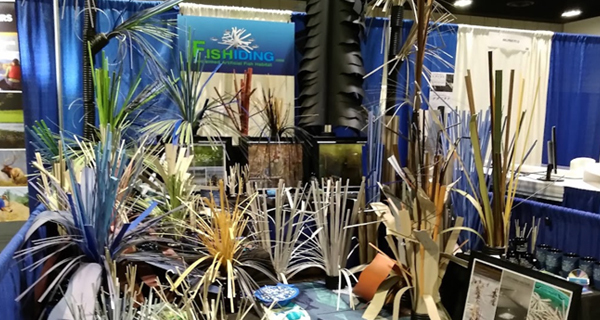
Fishiding makes reclaimed PVC freshwater fish habitat, including preassembled attractors and cribs, mats, DIY components, and kits. Its products give you several ways to plan around shallow water, mid-depth, and deep water. Fishiding is best for lake owners and fisheries managers who want dense, preassembled reclaimed PVC habitat; brush piles or DIY builds fit projects where gathering materials and doing assembly are part of the plan.
Fishiding’s underwater observations span more than 15 years and thousands of hours of filming in freshwater lakes. Those observations document fish using its dense habitat models and support its claim that the habitat grows more fish. Footage of fish using a structure is useful evidence, but it does not replace a site plan or establish the outcome of your particular lake project.
Build the budget from placement sites
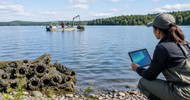
A workable estimate begins with a map, not a catalog quantity. Mark existing cover, the depth zones you want to address, and the places where you can stage and install structures. Then decide what each proposed site is meant to provide.
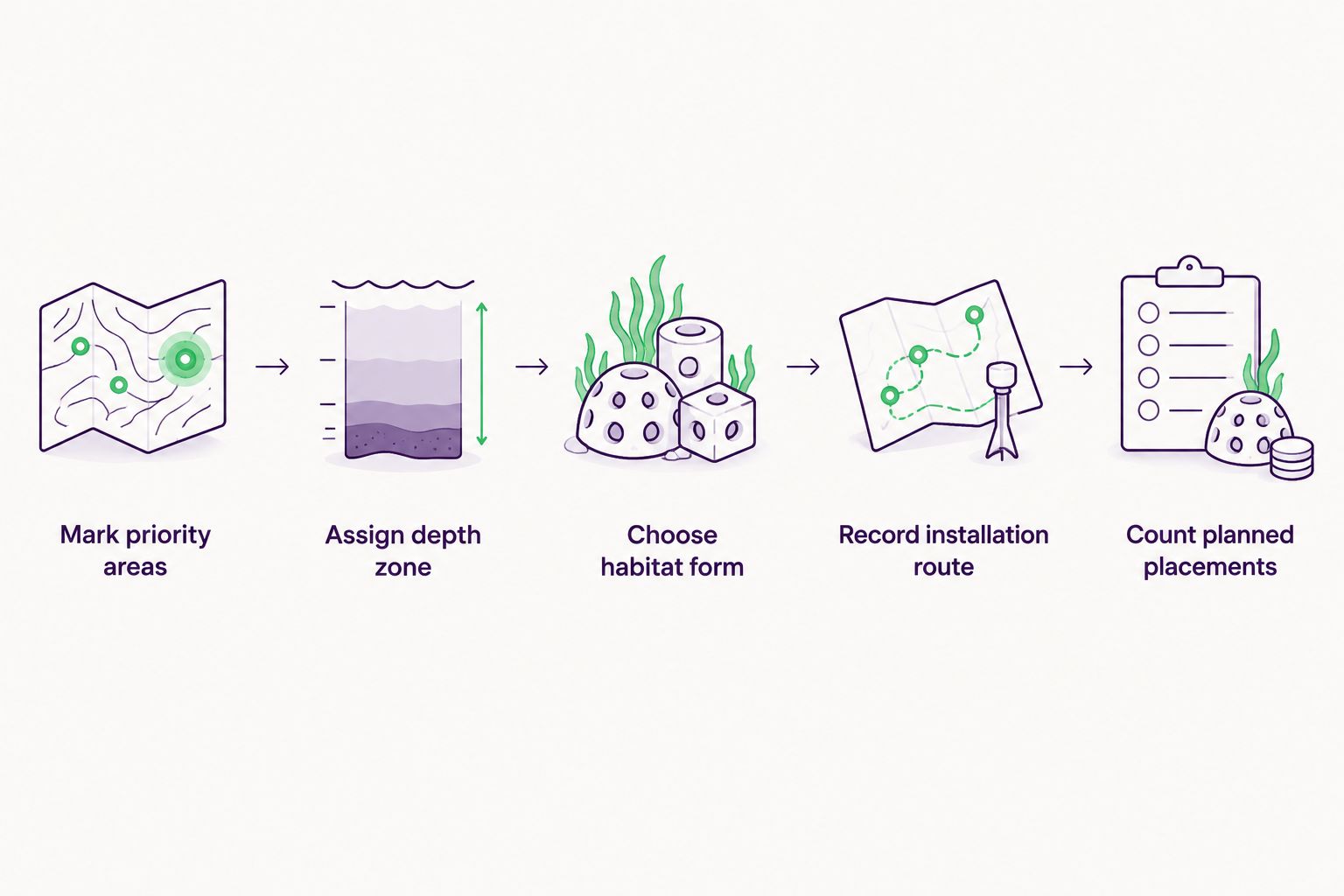
- Mark the priority areas. Identify where additional fish cover serves a clear purpose. Leave areas with adequate existing cover out of the initial count unless you have a reason to add more.
- Assign a depth zone. Separate shallow water, mid-depth, and deep water. A single structure type does not have to serve every site.
- Choose the habitat form. Decide whether each site needs dense shelter, a larger fish crib, an attractor, a mat, or natural cover. Match that choice to the fish sizes and life stages you want to support.
- Record the installation route. Note whether you can work from shore or need equipment to reach the placement site. Include who assembles, moves, and positions each structure.
- Count only the planned placements. Ask suppliers or installers to price the defined scope. Revise the map if the scope exceeds the available budget.
This sequence gives you a basis for comparing proposals. It also makes a smaller first phase possible: you can install at selected sites, record their positions, and use what you observe to plan any later work. A proposal that lists structures but leaves out placement still leaves a major part of the job undefined.
The map should stay useful after installation. Record what went in and where, so a later inspection can distinguish a placement decision from a change in fish use. Keep the notes practical: site, depth zone, habitat type, and intended purpose.
Compare brush piles, DIY builds, and preassembled habitat
Materials are not the only difference between these approaches. Assembly time, handling, and fit for the intended site belong in the comparison. None is the right choice for every part of a lake.
| Approach | Best for | Advantage | Tradeoff to budget |
|---|---|---|---|
| Natural cover | Sites where existing suitable cover already serves the goal | You can plan around cover that is already there. | You cannot assume it exists in every priority area. |
| Brush piles | Projects with suitable material and a practical placement plan | You can assemble cover from gathered material. | Gathering, building, moving, and placing it all take work. |
| DIY habitat | Owners who want control over the build | You can choose a form suited to a mapped site. | Include component selection, assembly, and installation labor. |
| Preassembled habitat | Teams that want units ready for placement | You avoid building each unit from components. | You still need a site plan and a way to install the units. |
Best for existing cover: use it as part of the plan before buying or building more. Its limitation is simple: it helps only where it meets the habitat objective.
Best for hands-on projects: brush piles and DIY builds put more of the work under your control. Do not compare their material needs with a preassembled unit while leaving your own gathering and assembly work out of the estimate.
Best for a planned installation: preassembled habitat gives you a defined unit to assign to a mapped site. Fishiding’s preassembled models and habitat mats are self-weighted with cement built into their design; do not add a separate ballast requirement to those products. You still need to plan access, handling, positioning, and any other work your installation requires.
The fairest comparison uses the same site map for every option. If one proposal covers shallow sites and another covers deep sites, they are different scopes, not competing totals for the same job. Ask each supplier or installer to identify what is included in the placement work.
Why the whole-lake cost varies
The useful question is not how large the lake looks from shore. It is how many distinct placement jobs the plan creates and what each job requires.
- Existing cover: Where usable cover already meets your objective, adding another structure is not automatically the next step. Map the gaps first.
- Depth: Shallow water, mid-depth, and deep water create different placement decisions. Put the intended depth zone on every site entry before selecting a unit.
- Habitat density and variety: Dense, intricate cover serves a different purpose from a simple open structure. Choose the form for the shelter and fish sizes you intend to address.
- Access: A reachable shoreline and an offshore placement require different handling plans. Do not treat them as the same installation task.
- Build method: Gathering material for brush piles, assembling DIY habitat, and placing preassembled units shift the work between materials and labor.
- Project scope: A set of priority sites costs less work to plan and install than an undefined promise to treat an entire lake. Define the actual placements before seeking a total.
These factors also affect the order of work. If access is difficult, establish how the structure reaches the site before deciding how many to use there. If you have not settled the habitat objective, do that before selecting a mat, crib, or attractor. A quantity cannot fix an unclear placement decision.
For a lake owner comparing written estimates in 2026, ask for the same categories in each: mapped sites, structure types, assembly responsibility, placement responsibility, and follow-up. That keeps a quote focused on the work you intend to buy rather than a bare product count.
Questions to settle before you request an estimate
Should you install habitat across every acre of the lake?
No. Select sites where added cover serves a defined purpose, then assess what is already present elsewhere. An acreage-only target does not tell you which fish, depth zones, or placement problems the project addresses.
A 1-acre planning example still needs a map of its existing cover and intended sites; its area alone cannot determine a structure count. The same rule applies when the project extends across a larger lake. Start with decisions you can verify on the water.
Is DIY fish habitat cheaper than preassembled habitat?
A lower material bill does not establish a lower installed cost. For DIY habitat, include the components, tools, assembly, transport, and placement work in the comparison. For preassembled habitat, include the unit and the work needed to put it at the mapped site.
Use the same installation scope for both estimates. If you supply your own labor, record that choice rather than treating the work as nonexistent. If someone else installs the structures, ask what their proposal includes before comparing totals.
How many fish habitat structures does a whole lake need?
There is no defensible lake-wide count from acreage alone. Count placements after you mark the priority areas and assign a purpose, depth zone, and habitat type to each. A site with existing cover does not automatically need another unit.
For 2026 planning, maintain a site-by-site list instead of applying a blanket per-acre formula. That list is the document you can use to request comparable estimates and to check what was installed later.
FAQ
What is the cost to add fish habitat structures to a whole lake in 2026?
There is no reliable flat whole-lake cost without a placement plan. Define the sites, habitat types, assembly work, and installation responsibilities before requesting a total.
Can I estimate whole-lake fish habitat cost by acre?
Acreage alone cannot produce a defensible estimate. Existing cover, selected sites, depth zones, and installation access determine the scope of work.
Do I need to put fish structures everywhere in a lake?
No. Start with sites where added cover serves a specific purpose and account for suitable cover already present elsewhere.
Are brush piles or preassembled fish habitats better for a lake project?
Brush piles fit projects with suitable material and the capacity to gather, build, and place them; preassembled habitat fits teams that do not want to build each unit. Compare both against the same mapped sites and installation tasks.
Does Fishiding habitat need added ballast?
No. Fishiding preassembled habitat models and units, including habitat mats, are self-weighted with cement built into their design. Placement and access still need planning.
What should I give an installer before asking for a fish habitat estimate?
Give the installer a map of priority sites, intended depth zones, habitat objectives, and the structure types you are considering. Ask the installer to state which assembly, transport, and placement tasks are included.
Does seeing fish use a structure prove a whole-lake population increase?
No. Underwater footage documents fish use of the filmed habitat; it does not by itself measure the population outcome of your particular lake project. Fishiding's long-term freshwater footage supports its stated habitat claims, while your own project still needs a defined objective and follow-up.
One last thing
The most useful number in a 2026 whole-lake estimate is the count of mapped placement sites, not the number of acres. Choose a depth zone and purpose for each site, decide who will do the installation work, and then request a scope-based estimate. Keep the map: it gives you a way to check the finished installation rather than judging the project by a product receipt.