
Fish habitat for bass tournament organizers
Posted by David Ewald on 3rd Nov 2026
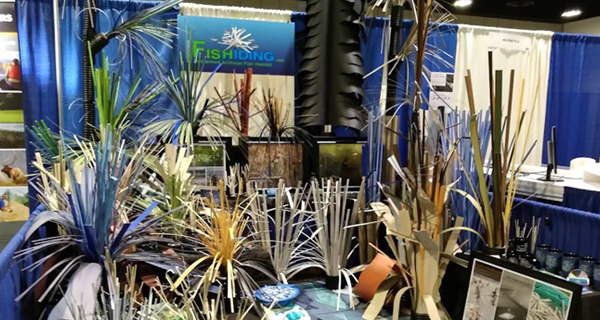
Bass tournament organizers who want bigger, healthier weigh-in fish need habitat that holds forage and protects fry year-round, and fish habitat for bass tournament organizers starts with that one idea: you can't weigh fish the lake never grew. Reclaimed PVC habitat from Fishiding gives bass, bait and the food chain underneath them dense cover to work with. Our Safehouse Artificial Fish Habitat is one practical starting point: 48 inches tall, with flexible limbs you shape by hand for suitable freshwater locations 5–8 feet deep.
- Tournament lakes stay productive when habitat shelters fry and forage, not just when it attracts adults.
- Fishiding reclaimed PVC cribs and mats suit largemouth and smallmouth water in shallow, mid and deep zones.
- Choose nursery cover, mid-depth cribs and taller transition habitat around your lake's missing cover and tournament calendar.
- Check the lake owner's rules and permits before anything goes in the water.
Attract the fish or grow the fish?
Most organizers think about structure the way anglers do: where will the fish be on Saturday morning? That's half the question. The other half is where the fish came from. A bass that eats well all summer starts as a fry that survived, and a fry survives where it can hide from everything that wants to eat it.
Think of a rabbit in the briars. A fox can see it, but it isn't getting in. Open water with a lone stump is a field. Dense, varied habitat is the briar patch. That is the difference between an attractor and habitat, and it is why we build for the small fish inside, not only the bass around the edges.

Fish using Safehouse cover underwater. Look at the colonized surfaces and spaces between the limbs as well as the fish alongside them. Photograph: Fishiding.
Why habitat matters for tournament water
A tournament's weigh-in gives you a snapshot of the fish anglers caught, not the whole habitat story. What decides the long-term health of the fishery is how many young fish and how much forage the lake can carry. Habitat is one of the few things an organizer, club or lake owner can add that works every day, not just on event weekends.
PVC supports periphyton—the community of algae, microbes and other organisms attached to submerged surfaces. We call it the mother's milk of the aquatic food chain. Copepods are tiny crustaceans; they and other small aquatic animals are part of the food web we consider alongside fry, forage fish and bass. More than 15 years and thousands of hours of underwater freshwater filming while diving with scuba gear document fish using our dense, intricate habitat. Those observations support Fishiding's claim that the habitat grows more fish. For your own lake, record habitat use alongside young fish, forage and catch observations rather than judging everything from one weigh-in.
How to put habitat to work for an event lake
Get permission and a map first
Nothing goes in until the owner or managing agency signs off. Many public waters require permits, and some prohibit adding structure.
- Contact the lake owner, state agency or park district in writing.
- Ask about permitted materials, depth limits and marker requirements.
- Mark launch lanes, ramps and no-wake zones so structure stays clear.
- Pull a depth map or run a quick sonar pass to find breaks, flats and points.
- Keep notes of GPS coordinates for every unit you place.
Make the placement map useful to the next volunteer crew, too: record each habitat type, its coordinates, bottom depth and installation date.
Match the habitat to the zone
Shallow flats, mid-depth breaks and deep water each need a different tool. Fishiding offers preassembled attractors and cribs, habitat mats, DIY components and kits for shallow, mid and deep water, so you can mix them on one lake.
- Shallow water: mats and low cribs for fry and spawning-area cover.
- Mid-depth: cribs along breaks where bass stage and bait travels.
- Deep water: taller units that give suspended fish a place to hold.
- Leave gaps between clusters so anglers can fish around the structure.
- Mix tight and open habitat; variety gives different fish different options.
For taller transition cover, consider The Palace Ultimate Transition Fish Habitat. It stands more than 60 inches tall, opens nearly 10 feet wide, and combines fine center strands with broad outer limbs. Its recommended freshwater depth is 7–12 feet; check seasonal oxygen and water levels before choosing the site.
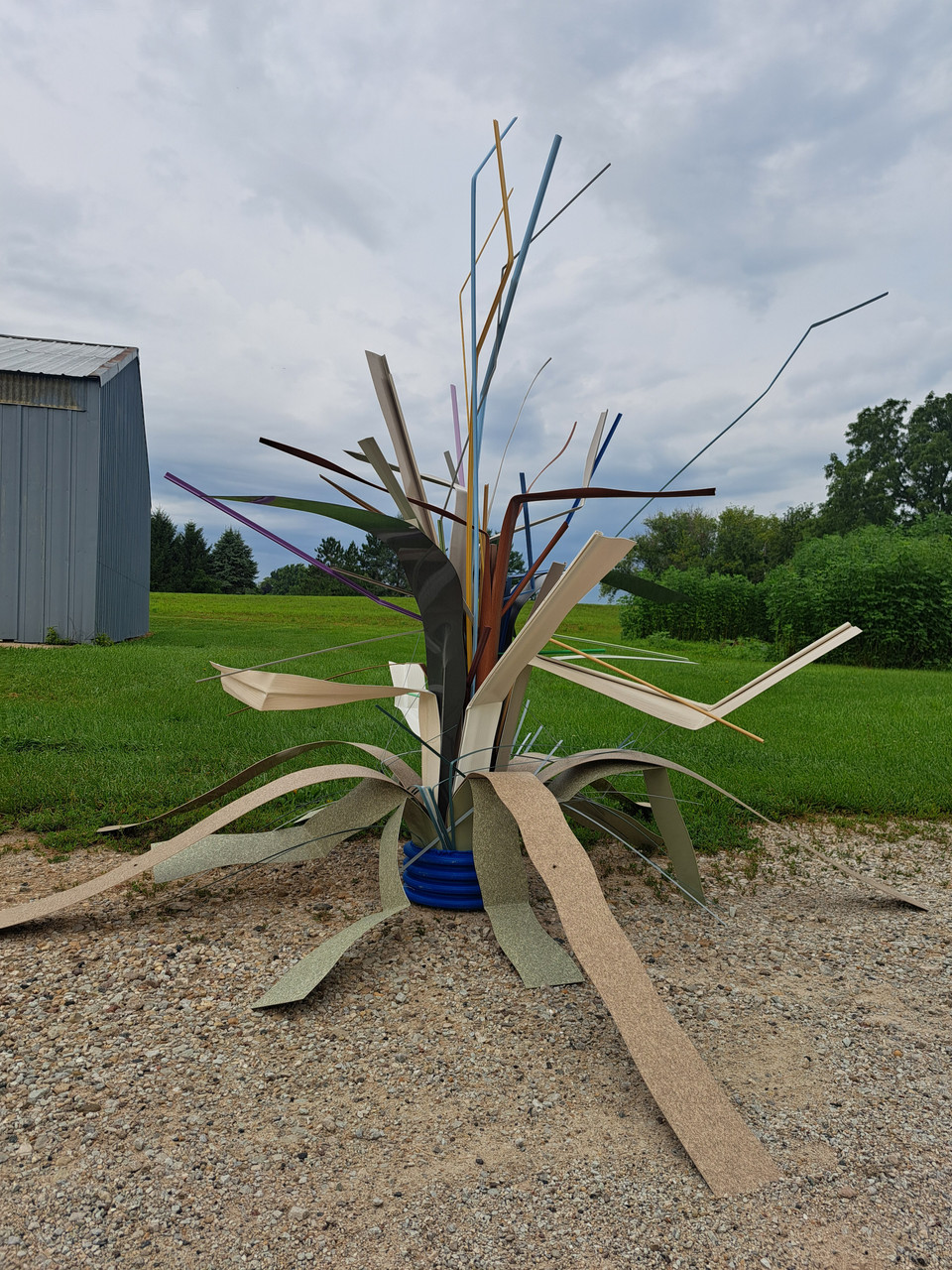
The Palace combines broad outer limbs and narrower central pieces. Shape the flexible material by hand before placement. Photograph: Fishiding.
Decide between mats and individual units
Mats lay down density across a large area. Cribs create vertical profile on a specific spot. Choose the form that fills a missing habitat function rather than ordering both automatically.
- Mats suit flats, spawning coves and fry nurseries.
- Cribs suit points, ledges and channel edges.
- Clusters concentrate fish for anglers; spread-out sets protect more water.
- Every preassembled Fishiding unit is self-weighted with cement built into the design, so you don't buy ballast.
- Free shipping is standard on every product.
Pick bass-specific placement
Start with where your lake's bass and forage already live, then identify missing cover. A species label alone is not a placement plan: map existing vegetation, rock, depth changes and usable water conditions.
- Largemouth: heavier cover on flats, edges and near vegetation.
- Smallmouth: structure on rock, gravel and breaks.
- Place habitat near, not on top of, known spawning areas.
- Observe where fish use it for a full season before adding more.
Plan the install around your calendar
Choose a safe installation window that does not collide with an event. A permitted drawdown or off-season workday can simplify access, but the lake's conditions and the managing agency's requirements come first.
For a club build day, our Easy Dozen build your own Fish Crib kit includes twelve 8-inch base containers and 35 pounds of reclaimed PVC in three material types. You supply the cement, assemble the cribs and let them cure before shaping and placement. This is the hands-on option; finished Safehouse and Palace units already have cement built into their bases.

Easy Dozen builds above water show the mixed profiles your club can arrange before installation. The kit requires your own cement and assembly. Photograph: Fishiding.
- Set a work date well ahead of the next tournament on your calendar.
- Recruit club volunteers; a boat, a few hands and a GPS handle most jobs.
- Record coordinates and share them with the lake owner.
- Walk the shoreline afterward and mark any hazards.
Track results honestly
Watch fish use, weigh-in sizes and young-of-year presence season after season. Habitat is a slow investment, not an instant fix, and it takes time for the food chain to develop on new surfaces. Keep dated observations rather than promising that every lake will respond on the same timetable.
- Keep a yearly log of catch data and observations.
- Note any fry or small bait sighted around units.
- Adjust placement from what the lake shows you, not from what you hoped.
Options at a glance
| Option | Best for | Key limitation |
|---|---|---|
| Fishiding habitat mats | Shallow flats, fry nurseries | Cover a footprint but give little vertical profile |
| Safehouse Artificial Fish Habitat | Ready-to-place cover in suitable 5–8-foot water | Its 48-inch height and spread must fit the site |
| The Palace Ultimate Transition Fish Habitat | Taller varied cover in suitable 7–12-foot water | Needs room for its nearly 10-foot spread |
| Easy Dozen DIY kit | Clubs with volunteer labor and several planned locations | You supply cement, assembly and curing time |
| Brush piles and pallets | Quick, low-cost cover | Decay and break down over time |
Fishiding is the best fit for tournament organizers who want long-lasting, dense habitat made from reclaimed PVC for freshwater lakes and ponds. The honest drawback: it is an added project with permits, labor and patience before the payoff shows.
Not sure which model fits? Tell us your lake's depth, target fish, existing cover and project goals. We can discuss a custom habitat layout instead of asking your volunteers to guess.
Mistakes organizers make
- Building fishing spots, not habitat. A few stacks of cover on one point fish well for a season and do little for fry.
- Skipping permission. Unapproved structure can mean removal and fines.
- Placing in the boat lanes. Keep habitat out of travel paths and ramps.
- Judging too early. Give the surfaces and food chain time to develop.
- Using one type everywhere. Variety is what lets different fish and life stages use the same lake.
FAQ
What is the best fish habitat for bass tournament lakes?
Dense, varied habitat works best: mats for flats and fry cover, cribs for breaks and deeper water. Fishiding makes both from reclaimed PVC for freshwater.
Does artificial habitat help bass grow bigger?
Habitat supports fry survival and forage, which feed bigger bass over time. Our underwater footage shows fish using it, but results vary by lake.
Do I need permission to add habitat to a lake?
Yes. Get written approval from the lake owner or managing agency, and check permit rules before anything goes in.
Do Fishiding units need extra weight?
No. Every preassembled Fishiding unit is self-weighted with cement built into the patented design.
Is shipping extra?
No. Free shipping is standard on every Fishiding product.
Is PVC safe for freshwater fish?
Fishiding states its reclaimed PVC is safe for freshwater use with fish, copepods and other aquatic creatures.
How long before fish use new habitat?
There is no single timetable for every installation. Record fish use and attached growth over repeated visits, noting placement, season and water conditions.
Before you buy
You can't weigh fish the lake never grew. Map your lake, get permission, and choose cover that gives young fish and forage somewhere to live—not merely another spot to cast.
Choose the Safehouse for finished mid-depth cover, the Palace where taller transition cover fits, or the Easy Dozen for a club build day. The product links above show what each includes. Free shipping is standard on every Fishiding product.
Choose habitat for your tournament lake
Compare finished mid-depth cover with a hands-on club build. Free shipping is included.
Related guides
By David Ewald, Fishiding.