

Can fish habitat shelter baitfish alongside game fish?
Posted by dwe on 11th Nov 2026
Yes. Dense fish habitat gives baitfish their own small shelter spaces while larger game fish use the surrounding cover. The useful distinction is body size, not a species label: fine openings shelter small fish, and a varied habitat complex serves several sizes together. That is why we build intricate interiors rather than just a recognizable outline.
- Fishiding fish habitat for baitfish uses fine openings and varied cover to shelter fry and forage fish.
- Choose nursery habitat by the size of fish you want to protect, not a species label alone.
- Finished mats connect several habitat units; individual nursery structures create defined refuge patches.
- Dense reclaimed PVC adds both shelter and surfaces for the freshwater food web.
Can habitat give baitfish a separate place to shelter?
Think of a rabbit in the briars. The shelter works because the rabbit can use spaces a larger animal cannot easily follow. Fine fish cover puts that same practical idea underwater.
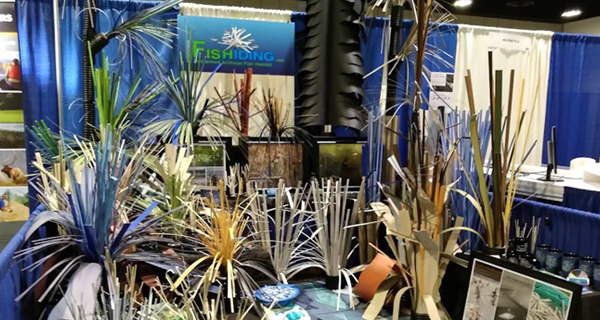
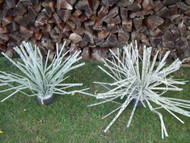
Our Briar Bush Artificial Fish Habitat uses flexible reclaimed PVC cutoffs around a cement-filled base. Its many branching limbs create a network of small spaces instead of one empty center. That interior is what matters to a small fish looking for refuge.
A bluegill fry and an adult bluegill need different-sized openings. So do young and adult bass. Plan for the size of the fish using the habitat rather than treating every member of a species as the same animal.

Fine cover carries shelter into the structure, giving small fish many places to turn and tuck in.
Give each part of the nursery a job
A productive layout combines protective interiors with varied cover around them. Choose connected mats when you want a habitat complex, or individual units when you want several defined patches. Both approaches support the forage fish that feed your larger fish.
| Habitat format | Best for | What it adds |
|---|---|---|
| Fine individual nursery units | Defined baitfish and fry refuge | Intricate spaces within a ready-made structure |
| Finished habitat mats | Connected nursery complexes | Several habitat units and opening sizes together |
| Mixed-height cover | Fish at different sizes and life stages | Fine shelter alongside broader vertical structure |
Our Legacy Lifetime Shallow Fish Habitat Structures Mat Twin Pack includes two finished mats, each carrying nine habitat units. Current specifications describe 3–5-foot habitat heights and a recommended 4–10-foot freshwater range. Those details help you fit a connected nursery to your pond.
Fishiding mats are made for slopes, currents and soft bottoms as well as flats. Choose the arrangement for the habitat you want, then match its finished height to usable water depth.
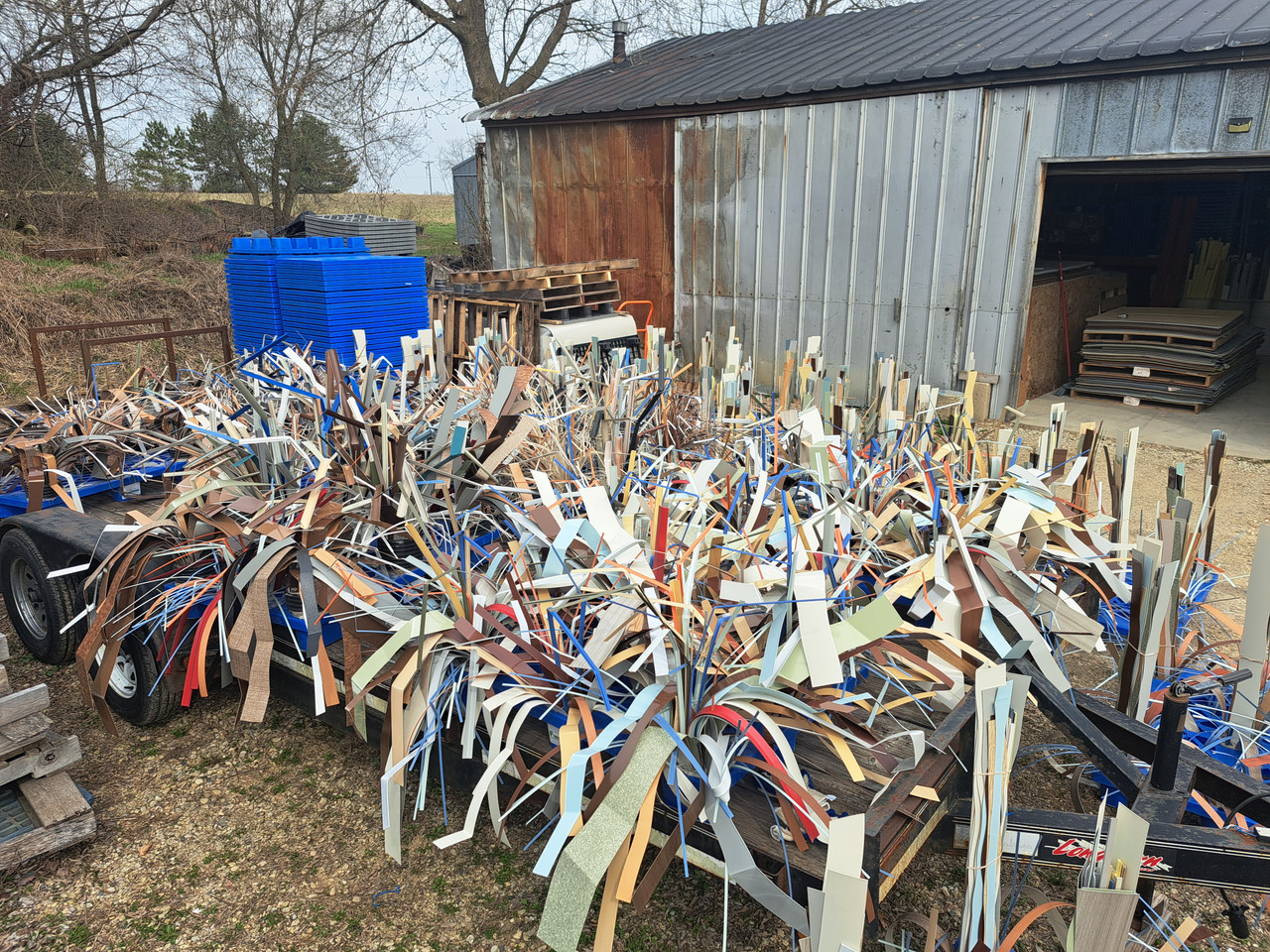
Fine branches and broad pieces give a nursery several kinds of shelter within the same complex.
Shelter belongs beside a food supply
Periphyton is the attached community of algae and microbes growing on submerged surfaces. It supports grazing invertebrates, including some copepods, tiny crustaceans that many young fish eat. Dense cover provides surfaces for that food web and spaces for small animals to shelter.
Copepods do not all feed the same way, and not every drifting zooplankter lives on a surface. The practical point is the connection: submerged growing surfaces, small invertebrates and feeding opportunities close to protective cover.
Our freshwater underwater filming documents fish using these intricate habitats. We build for that use: shelter through the interior, not merely a place where fish gather on the outside. Our guide to protecting fry and young-of-year fish follows the same design logic.

Underwater fish use shows the relationship between the fine interior and the surrounding water column.
Plan around the fish already there
Mark the nursery locations, the fish sizes you want to support and nearby existing cover. Use measured depth and seasonal water conditions to choose the models. Record placement so you can return to the same spots and observe use.
Start with the cover each fish size needs and a layout suited to your pond. Fishiding fish habitat for baitfish puts protective spaces and growing surfaces where small fish can use them.
Plan your nursery habitat
Tell us your fish species, nursery goals and water depths so we can help choose a layout.
FAQ
Can fish habitat give baitfish a separate refuge?
Yes. Fine openings give small fish shelter spaces within a larger habitat complex. Choose by fish size and life stage rather than expecting habitat to sort species.
What should I look for in baitfish habitat?
Look for dense branching and fine spaces through the interior. Varied openings support fry and forage fish at different sizes.
Are habitat mats useful for baitfish?
Yes. Finished Fishiding mats connect several habitat units and opening sizes into a nursery complex, including on slopes, in currents and on soft bottoms.
Does nursery cover also support fish food?
Yes. Submerged PVC provides growing surfaces for periphyton and shelter for small invertebrates used by the freshwater food web.
Can I add nursery habitat where game fish already live?
Yes. Plan fine refuge around your existing fishery and select models for the nursery locations and measured water depths.
Does Fishiding nursery habitat need added ballast?
Fishiding preassembled habitat is self-weighted with cement built into the design. Follow the instructions for the selected product when placing it.
Keep the smallest fish in the picture
When you look at a habitat unit, imagine the fish that fits inside the smallest useful opening. That fish is part of tomorrow's forage base. Build its shelter into today's layout.
Related reading
About the author
David Ewald, owner of Fishiding, designs reclaimed PVC freshwater fish habitat for ponds, lakes and reservoirs.