
Can fish habitat structures work in a spring-fed pond?
Posted by dwe on 11th Nov 2026
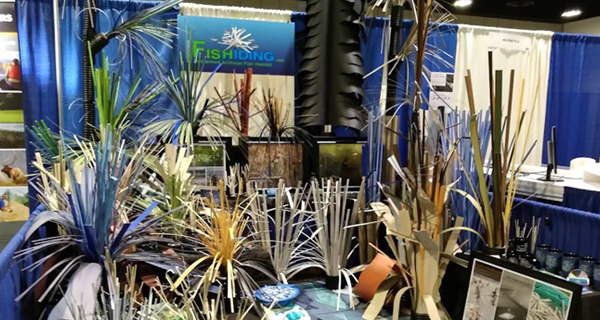
Yes. Fishiding habitat works in spring-fed freshwater ponds, giving fry, forage fish and larger fish dense cover and growing surfaces for the food web. A spring describes where water comes from; your habitat plan describes where the fish will live. We build for the fish, with reclaimed PVC arranged into intricate shelter at several heights.
- Fishiding fish habitat structures in a spring-fed pond provide dense freshwater cover and growing surfaces.
- Map the pond's depth, spring locations and existing cover before choosing your habitat layout.
- Fishiding mats work on slopes, in currents and on soft bottoms as well as flats.
- Match habitat height and nursery openings to the fish and usable water at each location.
A spring supplies water. Habitat supplies places to live.
A spring-fed pond can have a shallow nursery margin, a sloping bank, a broad basin or several of those features together. Each offers a different opportunity for cover. Start with what is actually in your pond rather than assuming all spring water is clear, cold or rich in oxygen.
Our Cradle Artificial Shallow Fry Habitat adds fine branching cover for small fish. The current product description lists an approximate 28–32-inch height and a 2–6-foot recommended freshwater range. Those are useful dimensions when planning a shallow nursery alongside your other cover.
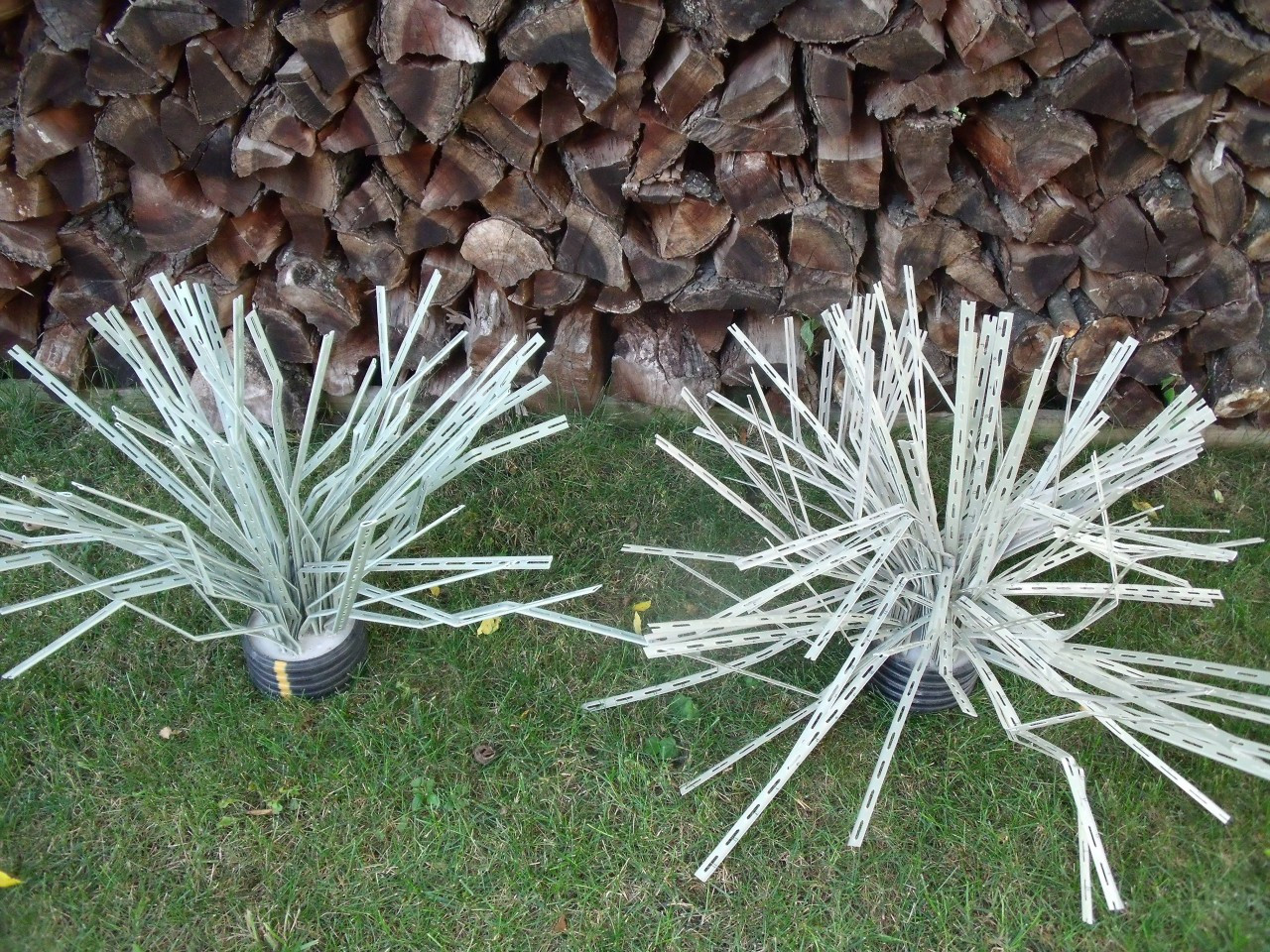
Branching reclaimed PVC creates varied shelter spaces. Choose the model and finished height for the pond location you are outfitting.
Read the pond before drawing the layout
Mark the spring's location, the shoreline contours and existing vegetation or woody cover. Where the water enters, preserve the source and any water-supply works. Then plan nearby habitat around your observations of fish use and measured conditions.
Current itself is not a reason to exclude Fishiding mats. We make mats for slopes, currents and soft bottoms. The important distinction is between adding useful fish cover and obstructing the spring or a managed inlet.
| Pond location | Habitat opportunity | What to measure or map |
|---|---|---|
| Shallow margin | Fine shelter for fry and forage fish | Low-water depth and finished habitat height |
| Slope or soft-bottom area | Connected cover using habitat mats | Depth profile and desired nursery footprint |
| Mid-depth water | Mixed-height cribs and attractors | Seasonal water conditions and existing cover |
| Spring or water-supply works | Preserve the water source and required access | Inlet location and any management restrictions |
That map gives every structure a purpose. It also gives you a way to return to the same places and see how fish use the cover over time.
Put a nursery where it can serve the food web
Periphyton is the attached community of algae and microbes on submerged surfaces. It supports small grazing invertebrates, including some copepods, that connect those growing surfaces to feeding fish. We call it the mother's milk of the aquatic food chain.
The attached growth is different from phytoplankton floating in the water column. A submerged habitat gives that attached community somewhere to grow, close to fine shelter for the fish using it.
Light, nutrients and temperature influence that growth. Select locations from your pond's actual conditions, and pair the growing surfaces with the openings your fry and forage fish need. Our periphyton habitat guide explains that connection in more detail.

Fish use the water above and around the fine interior, bringing different sizes of fish into the same habitat scene.
Choose connected mats or defined individual patches
A mat brings several kinds of cover together. Our Legacy Lifetime Shallow Fish Habitat Structures Mat Twin Pack supplies two finished mats with nine habitat units each. Product specifications list 3–5-foot habitat heights and a recommended 4–10-foot freshwater range.
Individual nursery units let you add a defined patch of fine cover. Finished mats create a connected complex. Both formats can be part of the same spring-pond plan, with their placement guided by your measured water depths and fishery goals.
Fishiding preassembled habitat and finished mats are self-weighted with cement incorporated into the design. Follow the model's shaping and placement instructions when preparing the installation.

Fine lower branches and taller broad pieces create several layers of cover within one finished mat.
Fit habitat and pond equipment together
Map drains, intake works and aeration equipment so their access routes stay clear. Check seasonal dissolved oxygen and temperature before choosing deeper habitat locations. A spring and an aerator each have a role in the water-management plan; your structures add the shelter and growing surfaces.
For equipment coordination, see our pond aeration and habitat installation workflow.
Plan habitat for your spring-fed pond
Share your water depths, spring location and fish species so we can help choose a useful layout.
FAQ
Can I use fish habitat structures in a spring-fed pond?
Yes. Fishiding reclaimed PVC habitat provides freshwater shelter and growing surfaces in spring-fed ponds. Select the model for the fish, depth and layout.
Do habitat mats work with spring-fed pond currents?
Yes. Fishiding mats are made for currents, slopes and soft bottoms as well as flats. Keep the spring source and managed inlet works clear.
Is every spring-fed pond cold and clear?
No. Measure your pond's actual temperature, clarity and seasonal water conditions when planning habitat.
Will periphyton grow on submerged PVC in a spring pond?
Yes. Periphyton colonizes submerged PVC surfaces. Light, temperature and nutrients influence the growth in each pond.
Do I add ballast to finished Fishiding habitat?
Fishiding preassembled units and finished mats have cement incorporated into the design. Follow the selected product's placement instructions.
Where should I begin my habitat layout?
Map the spring, depth contours, existing cover and pond equipment. Then choose nursery and larger-fish habitat for the locations that fit your fishery goals.
A spring-fed pond deserves a habitat plan built around its own fish and contours. Put dense shelter where it has a clear job, record the locations, and use what you observe to guide the next addition.
About the author
David Ewald, owner of Fishiding, designs reclaimed PVC freshwater fish habitat for ponds, lakes and reservoirs.