

Best fish habitat for zooplankton production in 2026
Posted by dwe on 11th Nov 2026
Our first choice for a connected nursery food web is the Legacy Lifetime Shallow Fish Habitat Structures Mat Twin Pack. For a fine individual refuge, choose the Cradle artificial shallow fry habitat; for compact branching cover, choose the Briar Bush Artificial Fish Habitat. Fish habitat for zooplankton production starts by giving small aquatic life growing surfaces and protected spaces close to the fish that feed there.
- Fishiding habitat for zooplankton production combines dense shelter with submerged surfaces that support the freshwater food web.
- Choose finished Legacy mats for a connected nursery, Cradle for fine refuge and Briar Bush for branching cover.
- Periphyton is attached growth; zooplankton are small animals with different feeding habits and habitat use.
- Fishiding mats work on slopes, in currents and on soft bottoms, with varied heights of attached cover.
Build for the animals the fry eat
The little things deserve more attention. Copepods are tiny crustaceans, and many freshwater fish eat them during early growth. Rotifers and small cladocerans also belong to the zooplankton community. Different groups feed and move in different ways; some use the water column, while others spend time around surfaces and cover.
Periphyton is the attached community of algae and microbes on submerged surfaces. It is different from phytoplankton suspended in the water. Dense habitat provides growing surfaces and a network of shelter around them, bringing parts of that food web close to fry and forage fish.
That is the design goal here: a nursery with food and cover in the same neighborhood.
What we look for in food-web habitat
- Fine spaces through the interior. Small animals and fry need more than an open outline.
- Growing surface. Submerged reclaimed PVC gives attached communities places to colonize.
- Varied cover. Fine branches and broader pieces support different uses within one habitat complex.
- Useful placement. Choose water depths and conditions suited to your nursery fish and the selected model.
We selected these habitats for their shelter spaces, growing surfaces and nursery layouts. The specifications below show what each design brings to the pond.
| Habitat | Best for | Verified design detail |
|---|---|---|
| Legacy mat twin pack | Connected nursery complexes | Two finished mats with nine habitat units each |
| Original Cradle | Fine individual nursery cover | Approximately 30 square feet of habitat surface per unit |
| Briar Bush | Compact branching refuge | More than 30 square feet of surface area and flexible PVC cutoffs |
1. Legacy mats: a connected nursery complex
The Legacy twin pack brings eighteen habitat units together across two finished mats. Fine and wide reclaimed PVC cover provides varied openings, with habitat heights of 3–5 feet. Current specifications recommend 4–10 feet of freshwater.
Each mat opens to approximately 6 by 7 feet. That connected arrangement lets you build a nursery around several types of cover instead of thinking about one branch at a time.
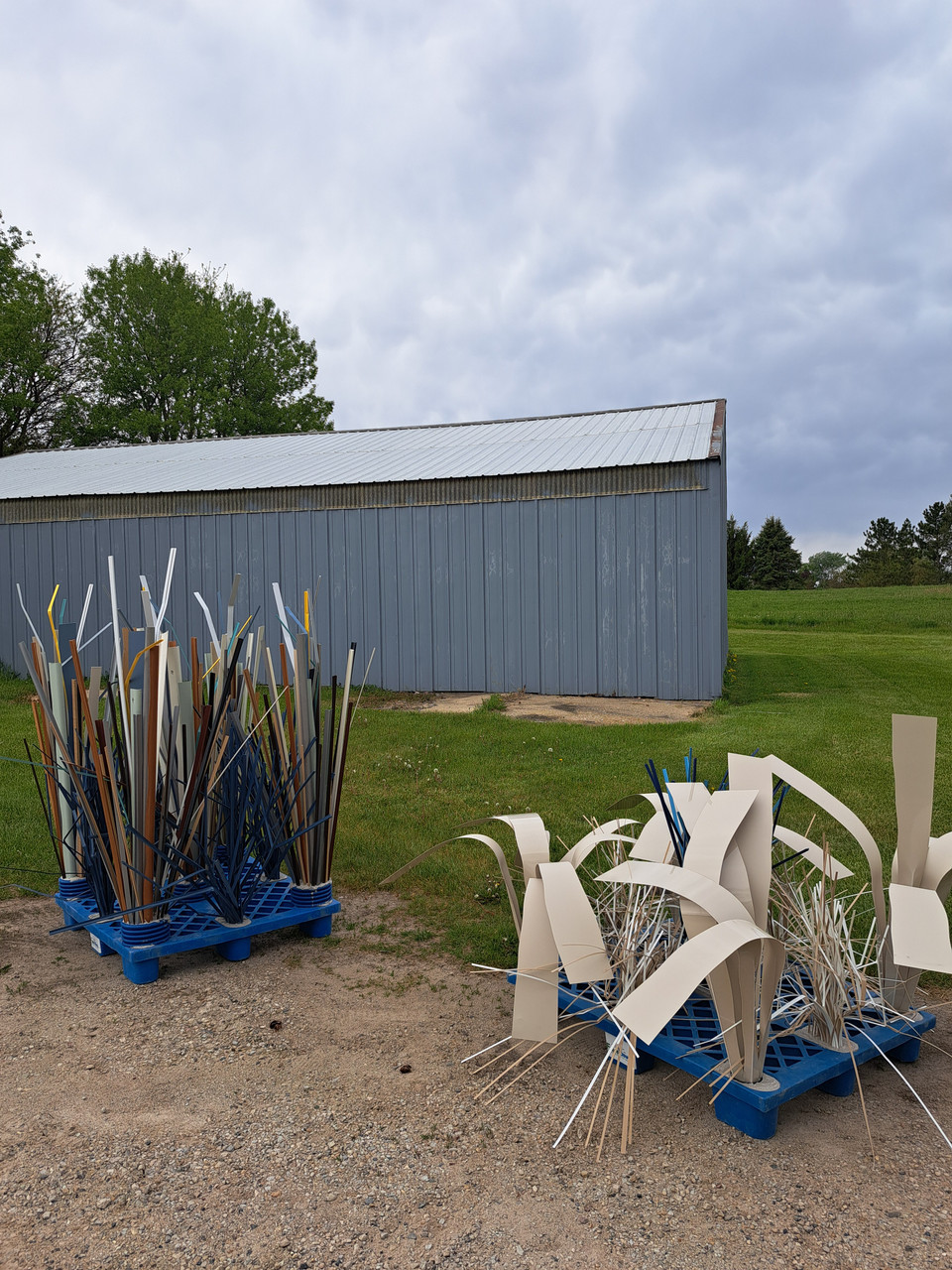
The finished mats combine fine internal spaces with broader upright cover. Their habitat is not limited to a low layer on the bottom.
Fishiding mats are made for slopes, currents and soft bottoms as well as flats. Fit the finished height to your intended water depth and nursery layout.
Best for: connected nursery cover. Our pick: Legacy mats.
2. Cradle: fine shelter around growing surfaces
The original Cradle uses fine, grass-like reclaimed PVC strands to build intricate shallow-water cover. Its product description lists approximately 28–32 inches of height, an opening width of more than 50 inches and a recommended 2–6-foot freshwater range.
That branching arrangement supplies approximately 30 square feet of habitat surface. Bend the strands by hand into a varied profile and group units to create the refuge pattern you want.
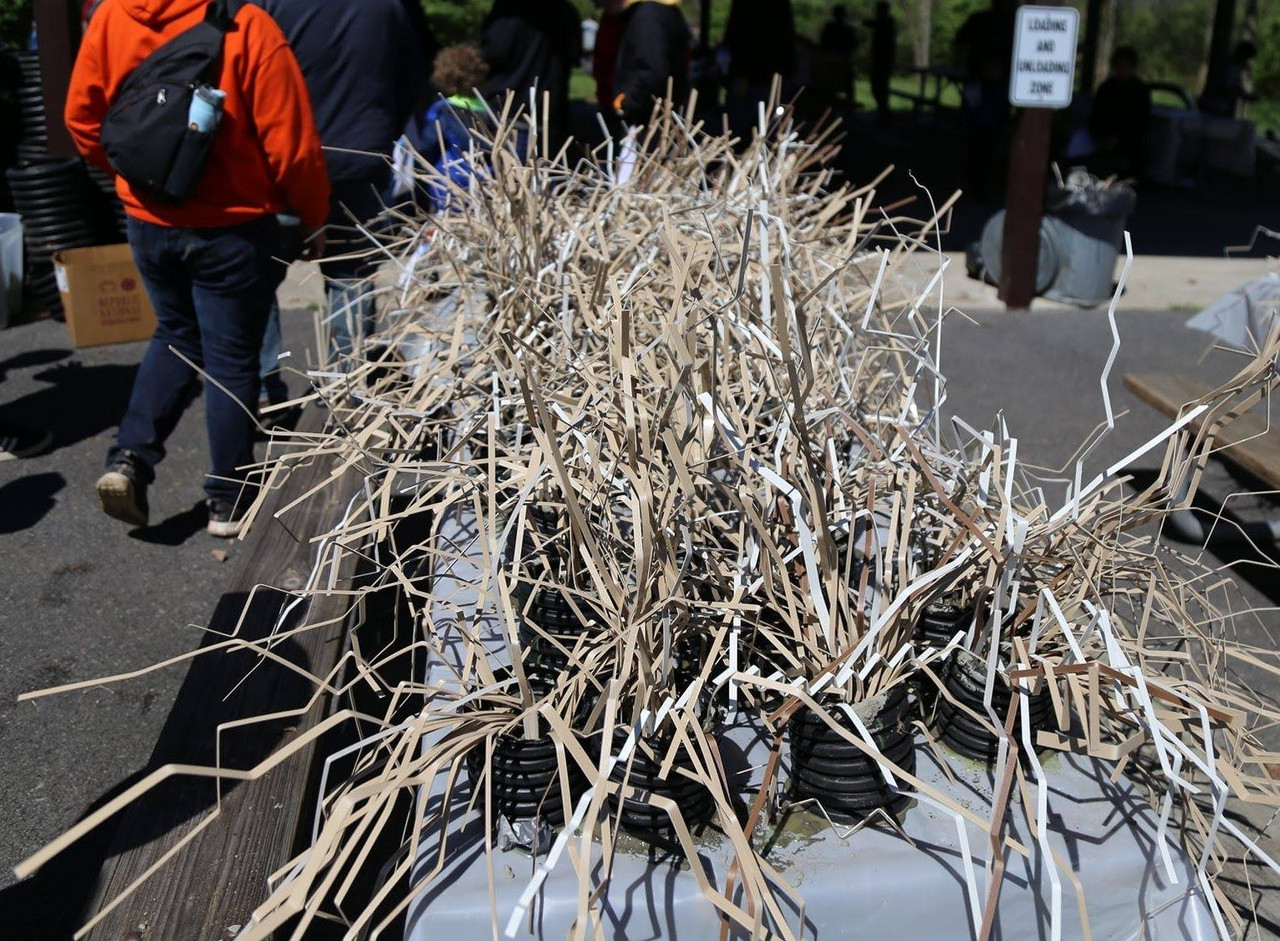
Fine cover surrounds submerged growing surfaces, with fish using the water above and around the nursery.
Best for: fine individual nursery refuge. Our pick: Cradle.
3. Briar Bush: branching cover in a compact unit
Briar Bush uses hundreds of flexible reclaimed PVC cutoffs, with small openings, grooves and edges. Its product description specifies a 32-inch height, an opened width of more than 4 feet and more than 30 square feet of surface area, for 2–4 feet of freshwater.
The cement-filled base is incorporated into the design. Bend the branches to an abstract profile and place the habitat near the nursery, dock or spawning area you want to support.
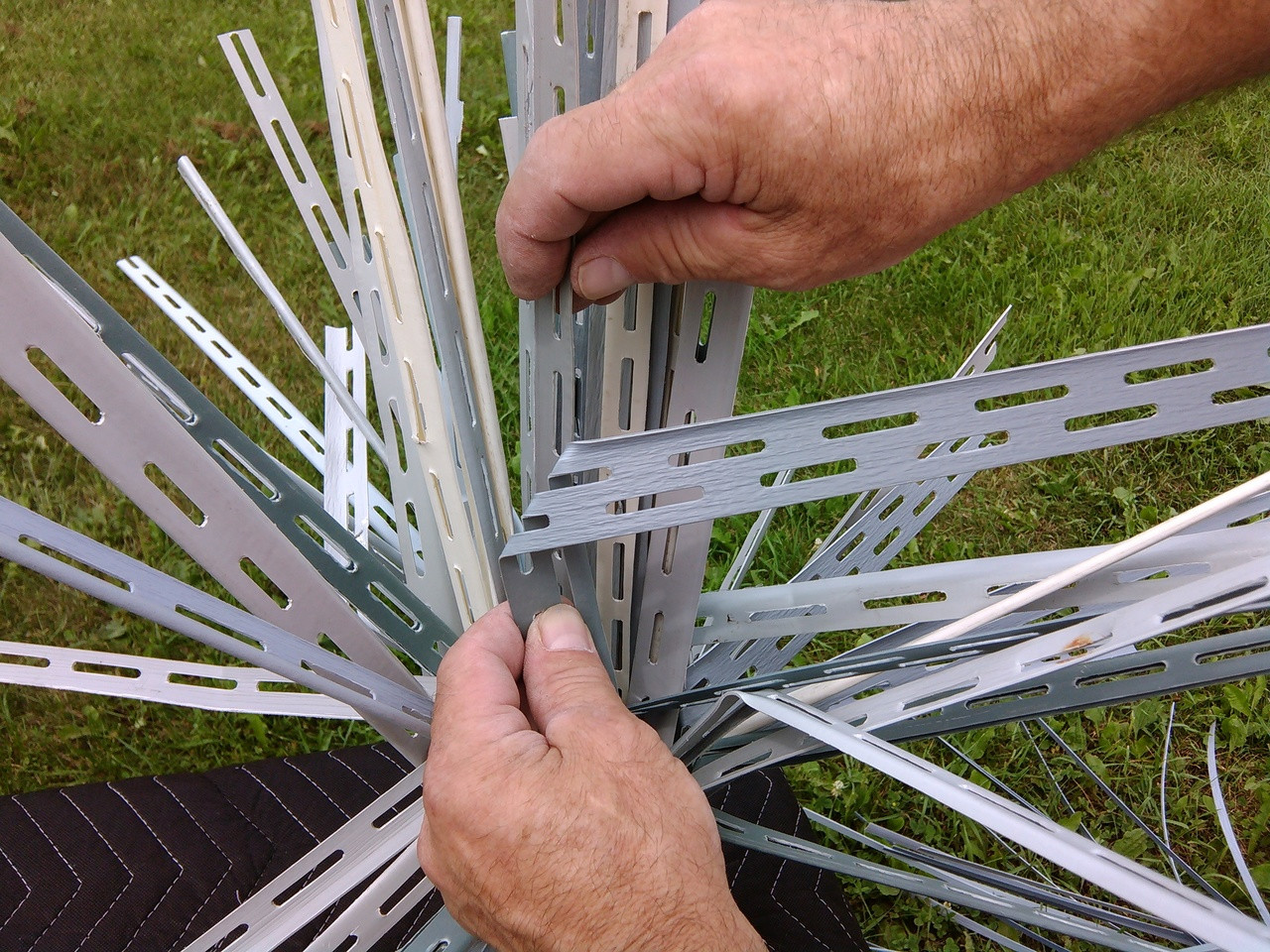
Shaping the limbs creates varied openings through the unit instead of a uniform outer silhouette.
Best for: compact branching refuge. Our pick: Briar Bush.
Put the growing surfaces to work
Choose locations with light reaching the habitat when attached algal growth is part of your goal. Map the nursery areas and seasonal water conditions, then select the model for the measured depth. You can use mats on soft bottoms and slopes; there is no flat, firm-bottom requirement.
Research on artificial substrates supports the general food-web principle. A 2002 freshwater pond study by Azim and colleagues examined periphyton developing on plant-material substrates. The study describes those materials and ponds. Our selections here reflect Fishiding's own construction details and documented habitat use.
For the surface-growth side, read our guide to habitat and periphyton growth.
Build your nursery food-web habitat
Share your fish species, nursery locations and water depths so we can help choose the habitat arrangement.
FAQ
What fish habitat should I choose for zooplankton production?
Choose dense shelter and submerged growing surfaces near the nursery. Our first choice for a connected complex is finished Legacy mats; Cradle and Briar Bush provide individual refuge units.
Is periphyton the same as zooplankton?
No. Periphyton is attached growth on submerged surfaces. Zooplankton are small animals, including copepods and rotifers, with different feeding habits and uses of the water column.
How does dense cover support small aquatic life?
Dense cover supplies shelter spaces around growing surfaces. Periphyton and small invertebrates connect those surfaces to the freshwater food web used by fish.
Do mats need a firm flat bottom?
No. Fishiding mats are made for slopes, currents and soft bottoms as well as flats. Select the finished arrangement for the intended depth and nursery area.
Does a habitat mat have to be low-profile?
No. The attached habitat determines the finished height. Legacy mat habitat is specified at 3–5 feet tall.
Do these finished habitats need separate ballast?
Fishiding preassembled units and finished mats have cement incorporated into the design. Follow the placement instructions for the selected model.
A nursery is more than a place to hide. Build growing surfaces and fine refuge into the same plan, and you give the freshwater food web room to work beside your youngest fish.
About the author
David Ewald, owner of Fishiding, designs reclaimed PVC freshwater fish habitat for ponds, lakes and reservoirs.