
Best fish habitat structures for overstocked ponds in 2026
Posted by dwe on 11th Nov 2026
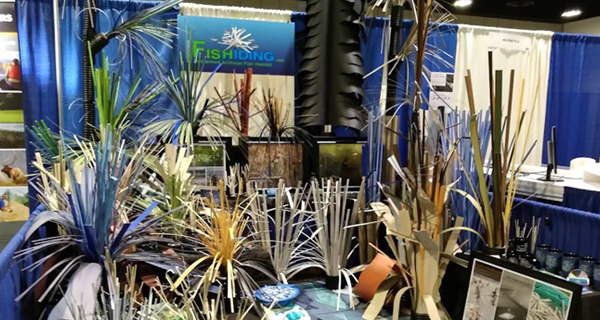
For an overstocked pond in 2026, combine Fishiding's dense cover with a species-specific population plan. Finished mats create connected nursery shelter, preassembled units give you defined ready-made placements, and DIY materials let you build a custom layout. Our Ultra Fine Cradle Shallow Fish Habitat Structures adds fine shelter to a targeted shallow nursery. Identify the crowded species and size classes so habitat and harvest support the fish you want to grow.
- Dense habitat mats are our first habitat choice when an overstocked-pond assessment identifies a genuine nursery-cover gap.
- Preassembled Fishiding cribs and attractors install fastest and sink on their own, with cement built in.
- DIY components cover more water when you want many units and will build them yourself.
- Habitat and species-specific harvest work together to support your pond-management goals.
Where cover helps—and where fish numbers come first
An overstocked pond is a crowded pond. Too many predators or too many panfish can compete for a limited food supply, but the crowded species and sizes determine the response. Do not assume that every crowded pond needs more fry to survive.
Dense cover gives selected young fish shelter and adds growing surface for periphyton, the attached film of algae and microbes that supports small invertebrates and grazing copepods. Plan that nursery cover around the species and size classes your fishery needs.
Pair habitat with a harvest plan from your state fisheries biologist, who can help identify which fish and how many to remove.
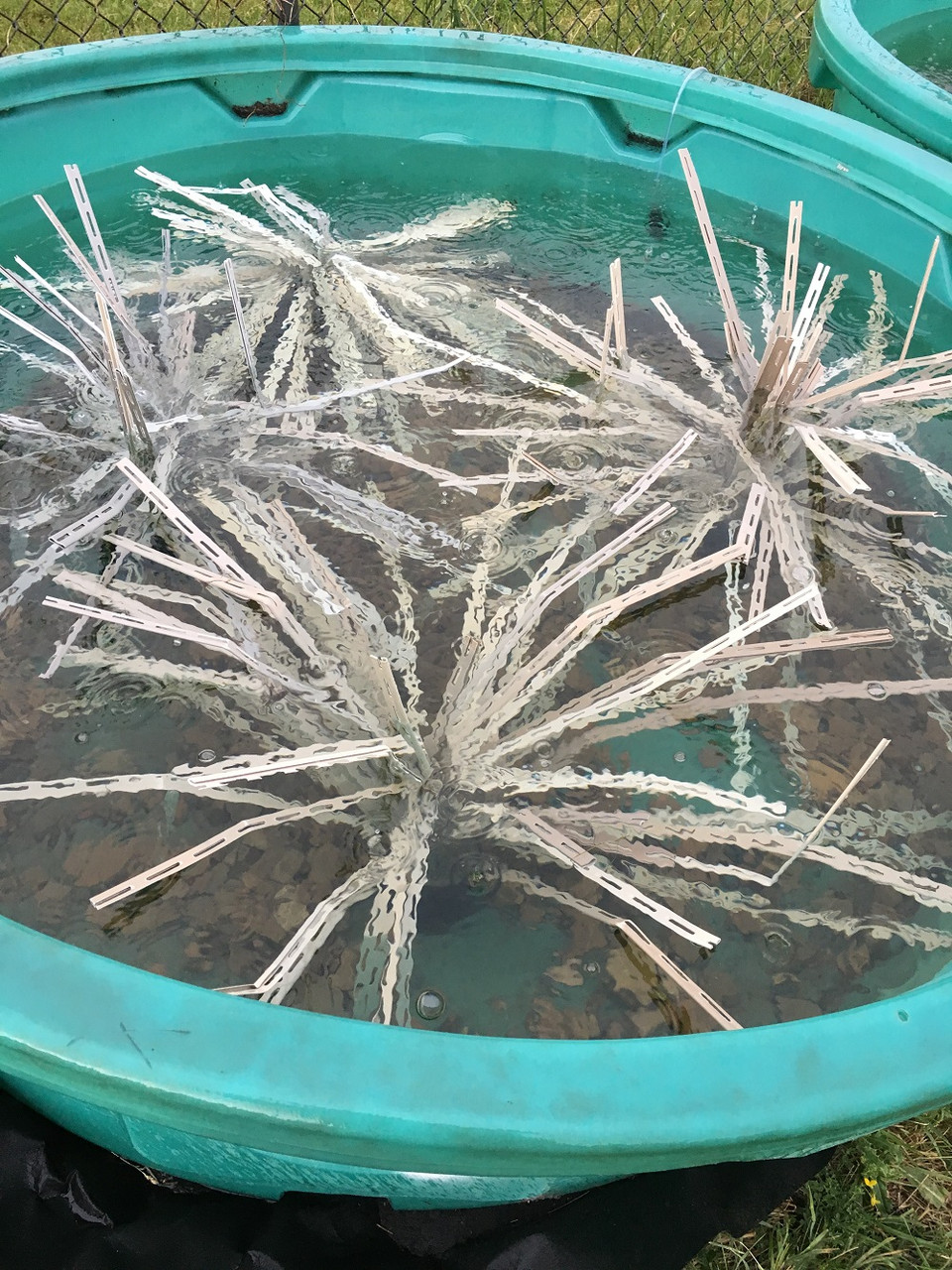
Fine spaces inside this Briar Bush provide a close view of its protective construction.
What makes good habitat for an overstocked pond
These are the criteria we ranked on. Check them before you look at the table.
- Density. Tight, intricate spacing protects fry and forage. Open, chunky cover mostly shelters bigger fish.
- Surface area. More surface means more room for periphyton, which feeds the small stuff the whole pond depends on.
- Variety. Different opening sizes serve different life stages in the same pond.
- Placement flexibility. Shallow, mid-depth and deep water each need a different approach.
- Install effort. A product you never get into the water does nothing for the fish.
- Staying power. Reclaimed PVC does not rot the way brush does, and it keeps working season after season.
At a glance
| Rank | Option | Best for | Standout feature | Design benefit |
|---|---|---|---|---|
| 1 | Habitat mats | Fry cover on shallow flats | Dense, intricate surface area | Connected cover on slopes, currents, soft bottoms and flats |
| 2 | Preassembled cribs and attractors | Defined ready-made placements | Self-weighted with cement built in | Defined units for targeted habitat locations |
| 3 | DIY components | Covering lots of water | Build to your own dimensions | Custom layout and density |
| 4 | Depth-matched kits | Ponds with shallow, mid and deep zones | Sets sized for each depth | Select habitat for your pond's depth zones |
| 5 | Natural brush piles | A cheap supplement | Familiar and easy to find | Breaks down and thins out over time |
1. Habitat mats: best fish habitat for protecting fry in an overstocked pond
Our Legacy Lifetime Shallow Fish Habitat Structures Mat Twin Pack includes two finished mats with nine habitat units per mat. Current product specifications list 3–5-foot habitat heights and a recommended 4–10-foot freshwater range. That is a defined nursery complex, not a blank platform; confirm that protecting more of the selected fish is the right management decision.
Mats can support low or tall arrangements depending on the fitted cover. Compare finished height and internal openings, not the word mat.
Our habitat mats are made from reclaimed PVC that was headed for a landfill, and they are for freshwater ponds, lakes and reservoirs only. Like every Fishiding preassembled model, the mats are self-weighted with cement built into the patented design. You do not add ballast.
Habitat mats pros:
- Density that protects fry, forage fish and copepods
- Large surface area for periphyton
- Works well on shallow flats where young fish congregate
- Reclaimed PVC with no rot
Habitat mats pricing: Free shipping is included, and every displayed price is the complete cost. Check the current price on the site.
Best for: a planned nursery footprint on suitable bottom. The attached cover determines which sizes of fish it shelters.
Verdict: Buy.

Judge the spaces the fish can actually enter. Overall crib size does not tell you whether it suits a fry, a juvenile bluegill or a larger fish.
2. Preassembled cribs and attractors: best for a defined ready-made unit
If you want habitat in the water this weekend, start here. A preassembled Fishiding crib or attractor arrives built. It carries its own cement weight, so it sinks and stays where you put it.
The design is dense and varied rather than a tidy stack of pipes. Fish choose function over fashion, and underwater footage shows them working through the tight spaces. More than 15 years and thousands of hours of underwater filming in freshwater lakes back that up.
Preassembled cribs and attractors pros:
- Ready to place, with no building
- Self-weighted with cement built in
- Good at mid-depth where fish move between cover and open water
- Consistent, repeatable units
Preassembled cribs and attractors pricing: Free shipping on every product. Current prices are on the site.
Best for: quick installs and mid-depth water.
Verdict: Buy.
3. DIY components: best for covering a lot of water
Some ponds need a lot of habitat, and some owners enjoy building it. Our DIY components let you assemble units to your own dimensions from the same reclaimed PVC.
The real advantage is coverage. You can make a lot of units and spread them around, which suits a larger pond with varied bottom. You control the layout, grouping and finished density.
DIY components pros:
- Build the size and shape each spot calls for
- Scales to big ponds
- Same reclaimed PVC material
- Satisfying for hands-on owners
DIY components pricing: Free shipping applies. Check current pricing on the site.
Best for: owners planning a custom build. Our fine PVC for DIY fish cribs adds fine internal cover where that is the habitat gap. Follow the instructions for the completed build.
Verdict: Buy for custom-built habitat.
4. Depth-matched kits: best for ponds with shallow, mid and deep zones
A pond is not one depth, but every depth is not automatically usable. Check seasonal dissolved oxygen, water levels and the finished structure's height before selecting habitat for shallow, mid or deeper water.
This is the option for owners who have a depth map and want every layer of the water column working. Fish use different parts of the water column, and a pond with cover at only one depth leaves the rest bare.
Depth-matched kits pros:
- Habitat sized for each depth zone
- One approach covers the whole water column
- Good for ponds with real depth variation
Depth-matched kits pricing: Free shipping on all of it. See the site for current pricing.
Best for: a plan with several suitable depth zones, selected from measured pond conditions rather than a kit count per acre.
Verdict: Buy the kit matched to your selected depth zone.
5. Natural brush piles: best as a cheap supplement
Brush piles are the familiar baseline, and they do hold fish. In an overstocked pond they are a fine extra layer, especially if you already have the trees.
The weakness is time. Wood breaks down, the pile thins out, and the open spaces change. It is also hard to build the tight, fine-grained density that protects fry. We would not make it your main strategy; include brush only where it fits the assessed habitat need and maintenance plan.
Brush pile pros:
- Cheap and easy to source
- Familiar to most pond owners
- Adds some natural variety
Brush pile cons:
- Decomposes and loses structure
- Hard to make dense enough for fry
Brush pile pricing: Usually whatever the wood and your time cost you.
Best for: a supplement to habitat, not a replacement.
Verdict: Hold. Use it as an add-on, not the foundation.
How we ranked
We ranked the six criteria above for an identified habitat gap, with density and usable openings first. That is a comparison of shelter formats, not proof that an overstocked pond lacks nursery cover. Finished mats lead for connected cover, preassembled units for a defined placement and DIY materials for custom layouts. The population assessment decides whether any of those additions belongs in the pond.
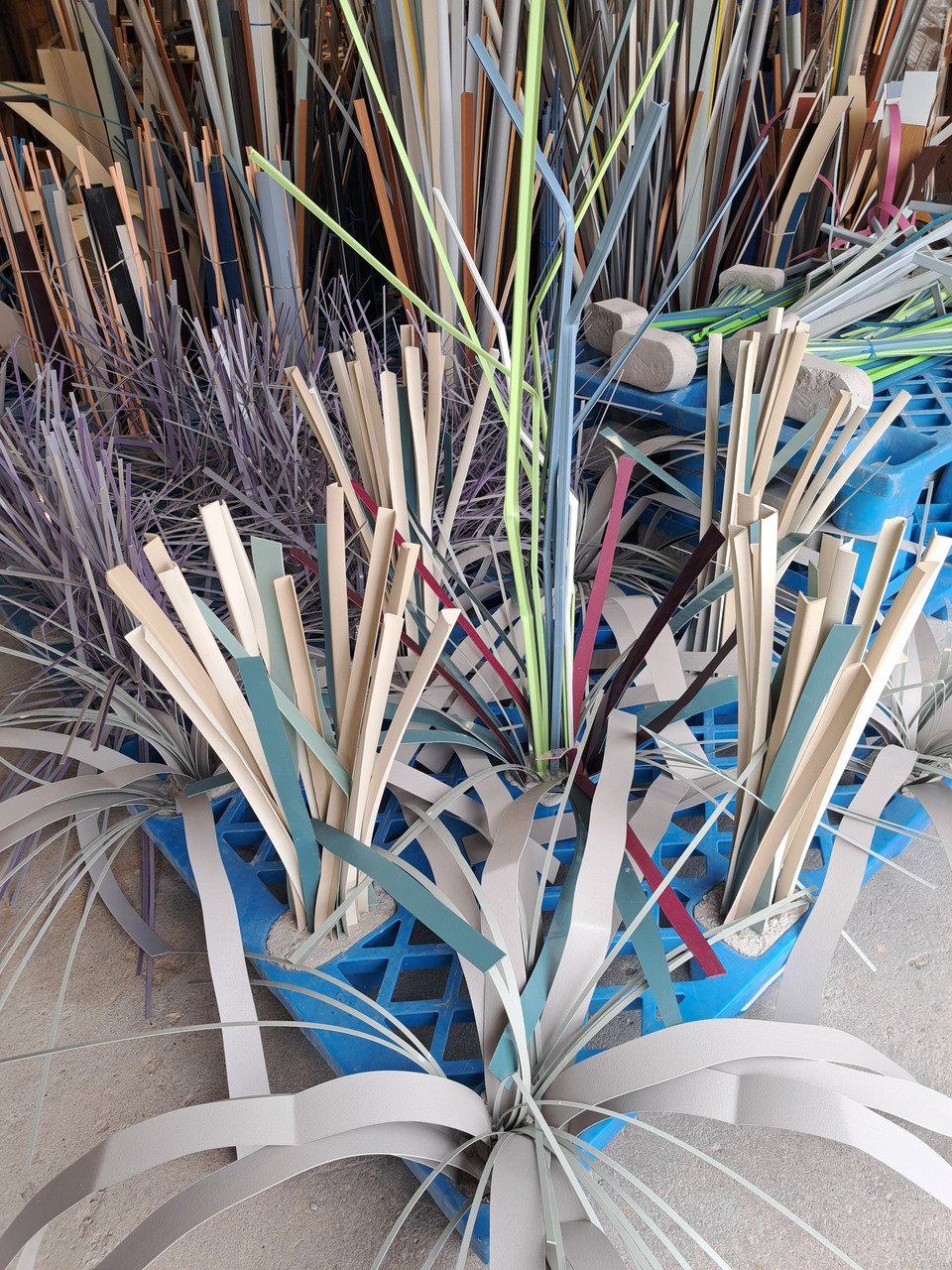
Finished Legacy mats combine several opening sizes for varied nursery shelter.
Which habitat should you choose?
Start with mats only if the assessment identifies a nursery or forage-cover gap. Choose individual units or a custom DIY build when they fit that particular location better. Depth-matched choices still require usable seasonal water conditions.
Begin with the population assessment and give each habitat placement a defined role: selected nursery shelter, forage cover or structure for larger fish. Coordinate those placements with species-specific harvest.
Get help sizing your pond
Tell us your pond size and depths and we will point you to the right habitat.
FAQ
What is the best fish habitat for overstocked ponds?
First identify the overcrowded species and size classes. Dense cover fits an identified nursery or forage gap, but increasing juvenile survival is not automatically appropriate in every overstocked pond.
Will fish habitat fix an overstocked pond?
Fishiding habitat provides shelter and growing surfaces for the food web. Manage excess fish numbers through species-specific harvest alongside the habitat plan.
Do Fishiding structures need added weight?
No. Every Fishiding preassembled unit and habitat mat is self-weighted with cement built into the patented design. You place it and it sinks.
Is reclaimed PVC safe for ponds?
Fishiding states its reclaimed PVC is safe for freshwater use with koi, other fish, copepods and other aquatic creatures. The products are for freshwater ponds, lakes and reservoirs.
Are DIY kits or preassembled habitat better?
Preassembled units are faster. DIY components cover more water if you will build them. Both use the same reclaimed PVC.
Does Fishiding charge for shipping?
No. Free shipping is standard on every product, and each displayed price is the complete cost.
What depth should I place habitat in?
It depends on the pond. Mats suit shallow flats, cribs suit mid-depth, and kits come for shallow, mid and deep water.
One last thing
The fish you want more of should guide the habitat, and the fish you already have too many of should guide harvest. Get those two decisions pointed in the same direction before adding another nursery patch.
Related guides
About the author
David Ewald, owner of Fishiding, designs reclaimed PVC freshwater fish habitat for ponds, lakes and reservoirs.