
Best fish habitat structures for eutrophic lakes in 2026
Posted by dwe on 13th Nov 2026
Best overall for fish habitat for eutrophic lakes in 2026: Fishiding habitat mats. Best for fry and forage protection: dense preassembled cribs and attractors in the lit layer. Best for big projects on a budget: DIY components and kits. Eutrophic water is rich, green and short on clarity, so habitat has to be dense, sit where light and oxygen reach, and stay put on soft bottoms.
- Fishiding habitat mats are our top pick for eutrophic lakes: they handle slopes, current and soft bottoms.
- Place structure in the lit, oxygenated layer; deep summer water in a eutrophic lake can run short on oxygen.
- Dense preassembled cribs and attractors protect fry and forage fish where cover is scarce.
- DIY components and kits cover large shorelines and coves with reclaimed PVC.
- Every Fishiding unit is self-weighted with cement and ships free, so there is no ballast to buy.
Why eutrophic lakes need a different habitat plan
A eutrophic lake is nutrient-rich. That means heavy algae, plenty of plankton, a lot of fish food, and water you cannot see through. It also means big swings in dissolved oxygen. Oligotrophic lakes are clear and lean, mesotrophic lakes sit in the middle, eutrophic lakes are green and productive, and hypereutrophic lakes are the extreme end where blooms dominate the summer.
So what does a fish need there? Not more food. It needs somewhere to be eaten less. Fry and young-of-year fish drift into open green water and get picked off, and a bare mud flat gives them nothing to hide in. Habitat is the missing piece, and the more of it you pack into a small footprint, the better it works. Think of a rabbit in briars versus a rabbit in a mown field.
Two placement rules shape every pick below:
- Stay in the lit zone. Periphyton, the film of algae and tiny life that grows on submerged surfaces, needs light. We call it the mother's milk of the aquatic food chain, because copepods, zooplankton and fry all feed on and around it. Deep, dark, silt-heavy water starves that film.
- Stay in the oxygen. In summer, a stratified eutrophic lake can lose oxygen near the bottom. Fish move up and out of that water. Habitat sunk into it sits empty. Aeration changes the picture, and our pond aeration to fish habitat installation workflow walks through how to sequence the two.
What makes a good habitat for eutrophic water
We judge each option on six criteria before we rank it:
- Density. Tight, varied openings protect fry and forage fish that open cover cannot.
- Surface area. More PVC surface means more periphyton, and more food for copepods and zooplankton.
- Soft-bottom behavior. Silty basins are the norm in eutrophic lakes, and the structure has to sit where you put it.
- Placement flexibility. Shallow, mid-depth and deep options, so you can follow the oxygen and the light.
- Material. Reclaimed PVC destined for landfills, safe for freshwater fish, copepods and other aquatic life.
- Installation effort. How much work it takes to get a whole cove covered.
Fish habitat for eutrophic lakes at a glance
| Rank | Option | Best for | Standout feature | Where it goes |
|---|---|---|---|---|
| 1 | Habitat mats | Slopes, current, soft bottoms | Wide coverage, high surface area | Shallow to mid-depth flats and banks |
| 2 | Preassembled cribs | Fry and forage protection | Dense, intricate, self-weighted | Mid-depth, above the low-oxygen layer |
| 3 | Preassembled attractors | Holding fish at specific spots | Compact, quick to place | Drop-offs, points, dock lines |
| 4 | DIY components and kits | Large shorelines | Build to your own footprint | Coves, flats, whole-shoreline projects |
| 5 | Deep-water models | Deeper, oxygenated basins | Built for depth | Deep water with oxygen |
1. Habitat mats: best for soft, silty bottoms and slopes
Muds and silts define most eutrophic basins, and mats suit them. Fishiding mats are designed for slopes, currents and soft bottoms, so the lake bottom you were worried about is the one they were built for. They spread habitat across an area instead of stacking it on a point, which matters when your goal is cover for fry along a whole flat or bank.
The surface area is the quiet advantage. All that reclaimed PVC is substrate for periphyton, and in a nutrient-rich lake there is plenty of growth to go around. Our underwater footage over more than 15 years shows how fish use dense habitat like this, and we have never seen a freshwater species ignore it.
Fishiding mats pros:
- Cover a wide area with one product
- Work on slopes, in current and on soft bottoms
- Large surface area for periphyton to colonize
- Reclaimed PVC, self-weighted with cement from day one
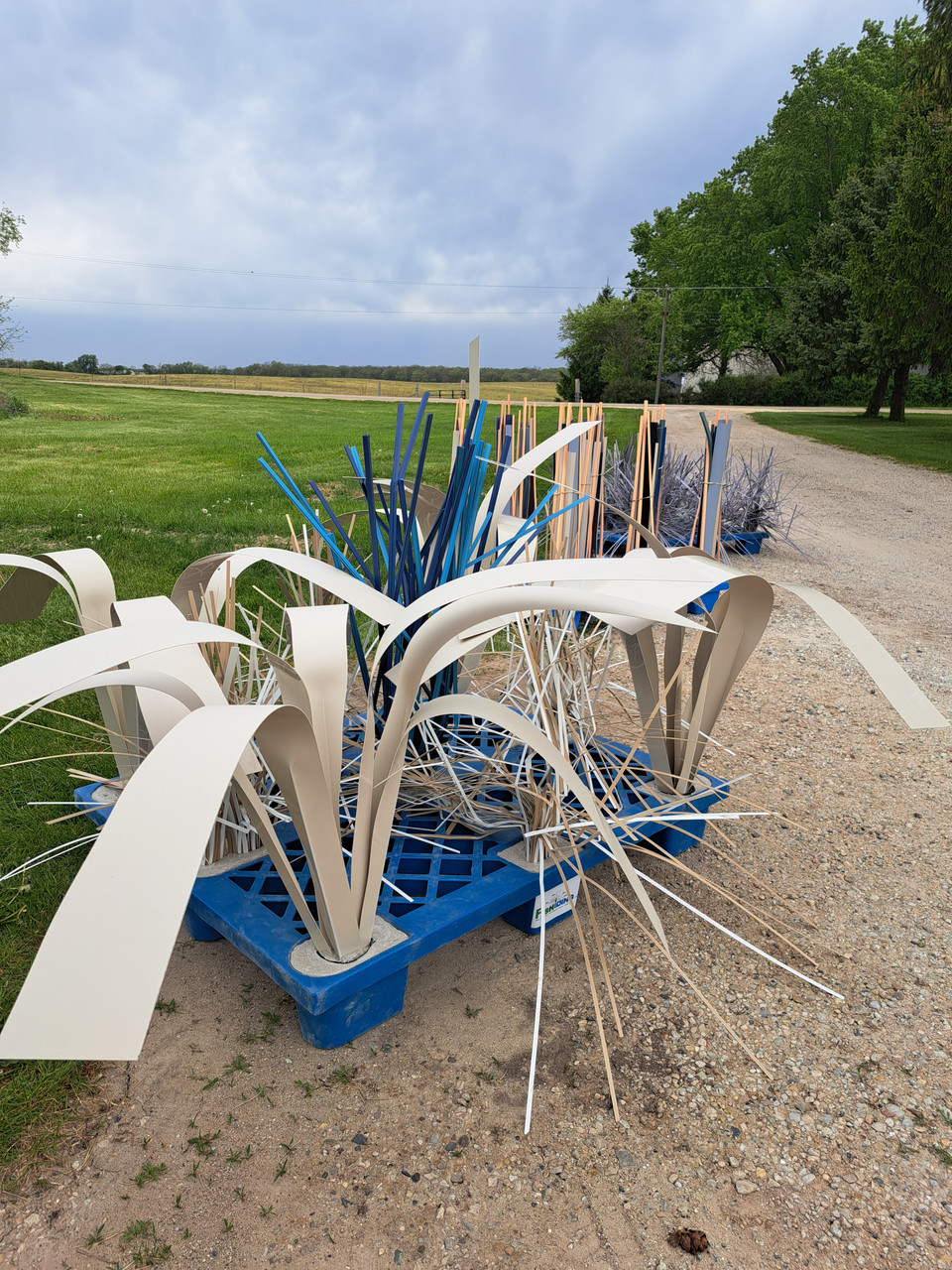
Legacy mats pack dense, shallow protection that stays put on soft bottoms.
Fishiding mats pricing: free shipping on every order, with the delivered cost shown on the product page.
Best for: lake restoration flats, banks and shallows. Verdict: Buy.
2. Preassembled cribs: best for fry and forage protection
A crib is a stack of habitat that fish treat as a neighborhood. In a eutrophic lake, the job is to give small fish a place the bass cannot sweep. Dense, varied openings do that. A crib with open, uniform gaps gives you a nice picture and not much protection. A crib built tight and intricate gives you both.
Place cribs in mid-depth water above the thermocline, where oxygen holds through the summer. In clear lakes a crib can sit deep. In a green one, shallower is the rule. Every Fishiding preassembled crib is self-weighted with cement built into the patented design, so you carry it to the spot and sink it. Nothing to add.
Fishiding cribs pros:
- Dense, intricate openings for fry and forage fish
- Self-weighted, no ballast to buy or tie on
- Reclaimed PVC with a freshwater-safe profile
- Shallow, mid and deep water options
Best for: ponds and lakes where young fish are the bottleneck.

Tall, varied cover like the Palace line gives mid-depth water a vertical landmark in a green lake.
For deeper basins, the Keeper Artificial Fish Habitat Tree carries the same density up the water column. Verdict: Buy.
3. Preassembled attractors: best for holding fish at known spots
Attractor is the word most anglers use, and it is a fair one for a smaller, compact unit. You put attractors where you want fish to stack up: a point, a creek channel edge, a dock line. They fish well because they do what habitat does, which is give fish a reason to stay.
Here is the difference we care about, and it is the one our owner has been saying for years. An attractor pulls fish in. Habitat keeps them fed and protected so they stay and breed. The Fishiding attractors do both because they are built dense enough to hold small fish and the larger fish that follow.
Fishiding attractors pros:
- Compact and quick to place
- Self-weighted, built to go straight to the bottom
- Good for anglers who want a specific fishing spot
- Reclaimed PVC, freshwater use
Best for: targeted fishing spots in lit, oxygenated water. Verdict: Buy.
4. DIY components and kits: best for large shorelines and coves
Some eutrophic lakes are simply big, and covering a cove with preassembled units can be more than a project needs. DIY components and kits give you the same reclaimed PVC and let you build to the footprint you have. If you have volunteers, a lake association workday or a free weekend, this is how you stretch the effort.
Before you buy, plan the amount of material. The DIY Fish Habitat Kits & Reclaimed PVC Materials page lists the components, and we will help you size the build.
Fishiding DIY pros:
- Build to your own size and shape
- Reclaimed PVC components that would have gone to landfill
- Works for volunteer and club projects
- Free shipping, with secondhand shipping materials used whenever possible

A DIY multi-pack bent open and ready to split into separate units for a cove-wide build.
Best for: big coves, community projects and anyone who likes building. Verdict: Buy.
5. Deep-water models: best for deeper, oxygenated basins
Some eutrophic lakes hold oxygen at depth, especially ones with aeration or mixing. In those, deep-water models give you a place for fish to go when surface water warms. The rule does not change: check the oxygen first, then place habitat where fish will actually be.
A green lake that stratifies hard will not hold fish deep in August. Match depth to the oxygen profile, not to the depth you wish the fish used. For how structure and oxygen events interact, read our guide to habitat structures and fish kills during summer stratification.
Fishiding deep-water models pros:
- Built for deeper placement
- Self-weighted, so sinking is simple
- Gives fish a refuge where oxygen holds
- Reclaimed PVC
Best for: deeper lakes with measured oxygen at depth. Verdict: Buy.
How we ranked
We ranked on the six criteria above: density, surface area, soft-bottom behavior, placement flexibility, material and installation effort. Mats rank first because soft, silty bottoms are the default condition in a eutrophic lake and mats are designed for them. Cribs and attractors follow because they concentrate the fry protection. DIY and deep-water options follow because they depend on your lake and your labor. Ranking reflects Fishiding underwater observations and product design, and is not a measured population result for any one lake.
Placement tips that matter more than the product
- Test oxygen before you place anything. A reading taken in the morning in August tells you more than any chart.
- Keep structure in the lit layer. Periphyton needs light, and fry follow the food.
- Mix types. Mats on the flat, cribs on the edge, attractors at the point. Variety is the point, and mixing cover types is why fish use a whole lake rather than one pile.
- Be patient. Periphyton takes time to establish, and fish use grows as the structure matures. Placement in 2026 pays off through the 2027 season and beyond.
Which habitat should you choose for your eutrophic lake?
If you want one answer for 2026, buy Fishiding habitat mats for the flats and banks, add preassembled cribs where fry need dense cover, and use DIY components to stretch the project over a big shoreline. Browse the full range at Fishiding and size the order to your lake.
Plan your lake habitat
Tell us your lake size and depth and we will point you to the right structures.
FAQ
What is the best fish habitat for eutrophic lakes?
Fishiding habitat mats are our top pick for eutrophic lakes in 2026 because they work on slopes, in current and on soft bottoms. Add dense cribs where fry need protection.
Does fish habitat work in green, murky water?
Yes, if you place it in the lit, oxygenated layer. Fish still use cover in murky water, and periphyton grows on PVC where light reaches it.
How deep should I place habitat in a eutrophic lake?
Keep it above the layer where summer oxygen drops. Measure dissolved oxygen first, then place structure where fish will actually be, usually shallow to mid-depth.
Do I need to add weight to Fishiding structures?
No. Every Fishiding preassembled unit and habitat mat is self-weighted with cement built into the patented design, so it sinks without added ballast.
Is reclaimed PVC safe for fish in a lake?
Fishiding states its reclaimed PVC is safe for freshwater use with fish, copepods and other aquatic creatures. It is made from material that was headed to landfills.
How long until fish use new habitat?
Fish begin investigating new structure quickly, and use grows as periphyton establishes. Our guide on how long periphyton takes to grow covers the timeline.
Should I use mats or individual cribs?
Use both. Mats cover area on flats and banks, and cribs concentrate dense protection at chosen spots. Variety gives fish more ways to use the lake.
One last thing
In a eutrophic lake the water is already full of food. What fish are short of is a place to survive long enough to eat it. Give the fry a home and the rest of the food chain has somewhere to start, then give the structure a season and watch the film build.
Related guides