
Pond Structures for Fish
Posted by dwe on 4th Oct 2026
A bare pond bottom gives small fish few places to hide. Choose pond structures for fish by the shelter you need: fine, dense cover for fry, varied mid-depth habitat for forage fish, and taller structures where deeper water is usable.
- Choose pond structures for fish by usable depth, cover density and fish size, not a fixed units-per-acre formula.
- Fishiding Cradle provides shallow nursery cover; Safehouse adds mid-depth refuge; Keeper supplies taller deep-water structure.
- Stakeout creates grouped vertical cover for crappie and other freshwater fish.
- Every preassembled Fishiding habitat unit is self-weighted; no separate ballast or anchor is needed.
Why density matters more than a tidy shape
Fish cover should do more than mark a fishing spot. Small openings, overlapping branches and varied textures create places for fry—very young fish—and forage fish to shelter. Larger openings around that dense interior give bigger fish space to move and feed.
An open frame and a dense habitat complex serve different purposes. If your goal includes protecting young fish, look inside the structure rather than judging its silhouette. A few widely spaced pipes do not provide the same small spaces as intricate, branching cover.
The site's Fish Cribs: Design and Placement Guide explains this distinction through Eric Engbretson's firsthand scuba observations in northern lakes. Published in 2013, it discusses traditional wooden cribs; its design observations should not be treated as universal specifications for shallow nursery habitat.
Fishiding artificial fish habitat suits pond owners who want dense reclaimed PVC cover matched to shallow, mid-depth and deeper freshwater. Combine forms that serve different fish sizes instead of repeating one opening size throughout the pond.
Compare pond structures by their job
The specifications below come from current product descriptions. Water depth means the recommended placement depth, not the structure's height. Measure your pond before choosing a model, and account for seasonal water-level changes.
| Pond structure | Best for | Verified size or depth | Practical limitation |
|---|---|---|---|
| Cradle artificial shallow fry habitat | Shallow nursery cover for fry and forage fish | Approximately 28–32 inches tall; recommended depth 2–6 feet | A shallow nursery model is not a substitute for taller deep-water cover |
| Safehouse Artificial Fish Habitat | Mid-depth refuge with broader outer travel lanes | 48 inches tall; recommended depth 5–8 feet | Its opened width exceeds 7 feet, so allow room in your placement plan |
| Keeper Artificial Fish Habitat Tree | Taller vertical habitat in deeper usable water | More than 72 inches tall; recommended depth over 8 feet | Its opened width exceeds 11 feet and weight is approximately 35 pounds |
| The Stakeout Crappie Stake Bed 3 pack | A grouped vertical stake bed for crappie and other freshwater fish | Three completed units; stakes 18–55 inches tall | Choose actual placement depth from clearance and pond conditions; no universal depth is specified here |
These models are complementary rather than interchangeable. Match the smallest shelter spaces to your nursery objective, then add broader and taller cover where the pond's conditions support it. Keep fishing access and fish protection as separate design decisions.
Four habitat models and what they provide
Cradle: fine cover for shallow nursery areas
Cradle uses fine, soft reclaimed PVC strands to create compact cover for young freshwater fish. The intricate openings give fry, minnows, bluegill and other forage fish places to shelter. Flexible strands move like submerged grasses and continue providing cover after seasonal vegetation dies back.
The model opens to more than 50 inches in diameter. It provides approximately 30 square feet of habitat surface and weighs approximately 10 pounds. Its recommended freshwater depth is 2–6 feet.
Best for: shorelines, spawning areas and shallow nursery zones where you want small-fish protection. Group neighboring units close enough for their branches to form a larger protected complex, following the product's placement guidance.
The tradeoff is its shallow-water role. Choose a taller model when your objective is vertical cover extending farther above a deeper pond bottom.
Safehouse: dense centers and wider outer openings
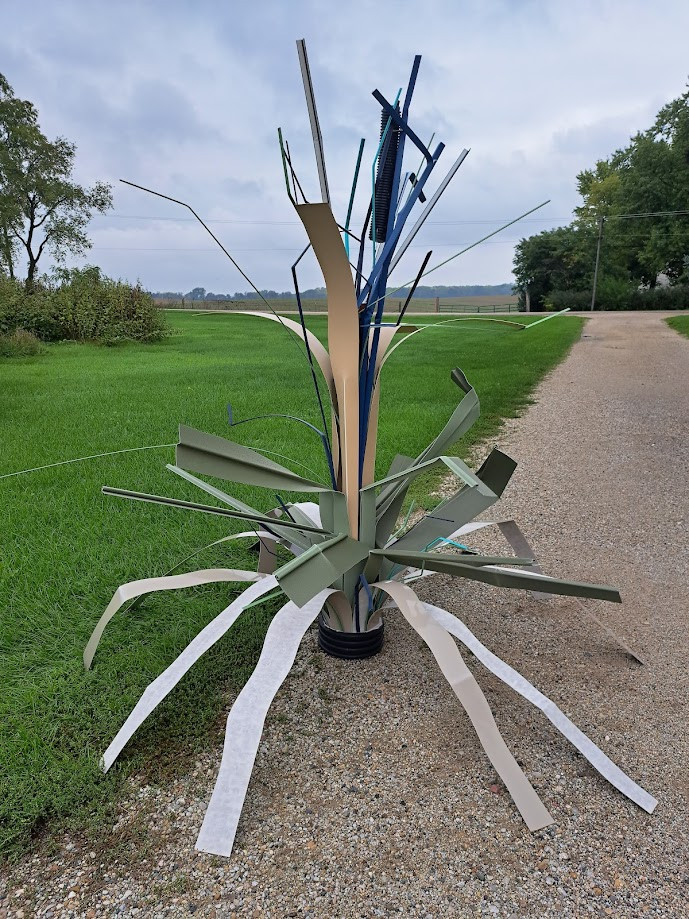
Safehouse combines a dense center with broader outer openings. Its reclaimed PVC limbs provide small-fish refuge, shade and travel lanes for larger freshwater fish within the same arrangement.
The 48-inch-tall model opens more than 7 feet wide. It weighs approximately 16 pounds and provides about 50 square feet of surface area. The flexible limbs are 3–6 inches wide, and the recommended placement depth is 5–8 feet.
Best for: a mid-depth habitat area that needs both inner shelter and larger outer spaces. Bend the limbs in varied directions before placement rather than making every unit look identical.
Allow for the opened footprint. A suitable depth reading alone does not establish that the structure fits beside a dock, intake or maintained access area.
Keeper: taller habitat in deeper freshwater
Keeper is one of Fishiding's original fish crib designs. Its tightly packed center provides smaller fish with refuge, while broader outer openings create shade and travel lanes for larger fish.
The current model stands more than 72 inches tall and opens more than 11 feet wide. It provides more than 125 square feet of surface area and weighs approximately 35 pounds. The reclaimed PVC limbs range from 1/2 inch to 5 inches wide.
Best for: deeper usable water where a taller structure fits the habitat objective. Its recommended freshwater depth is over 8 feet; confirm water conditions at the proposed location rather than assuming the deepest spot is the best spot.
The larger opened size and handling weight need planning. Shape the limbs before deployment and make sure your installation method suits the complete unit.
Stakeout: grouped vertical cover
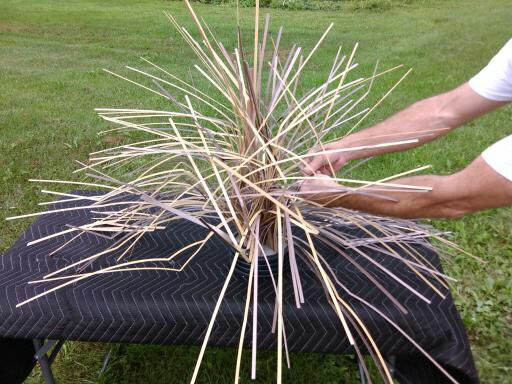
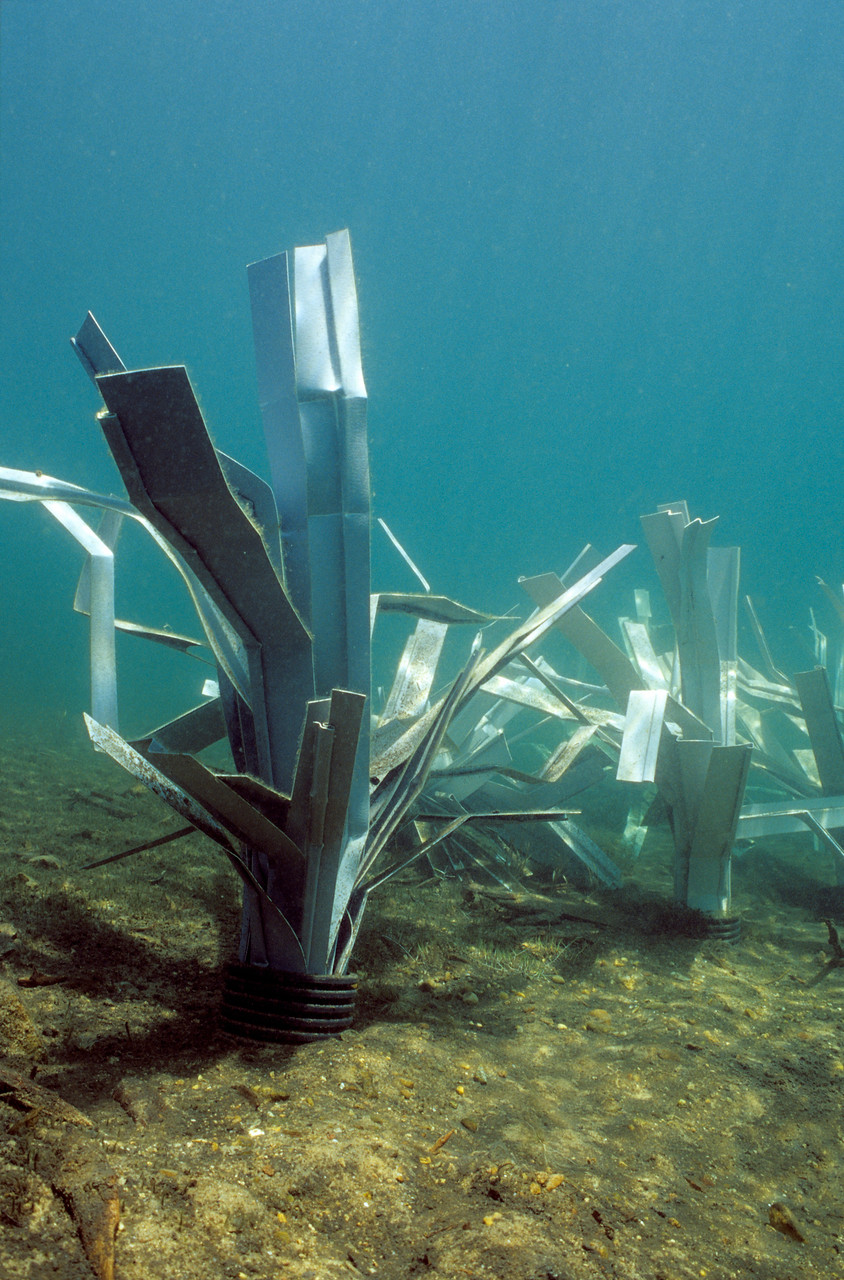
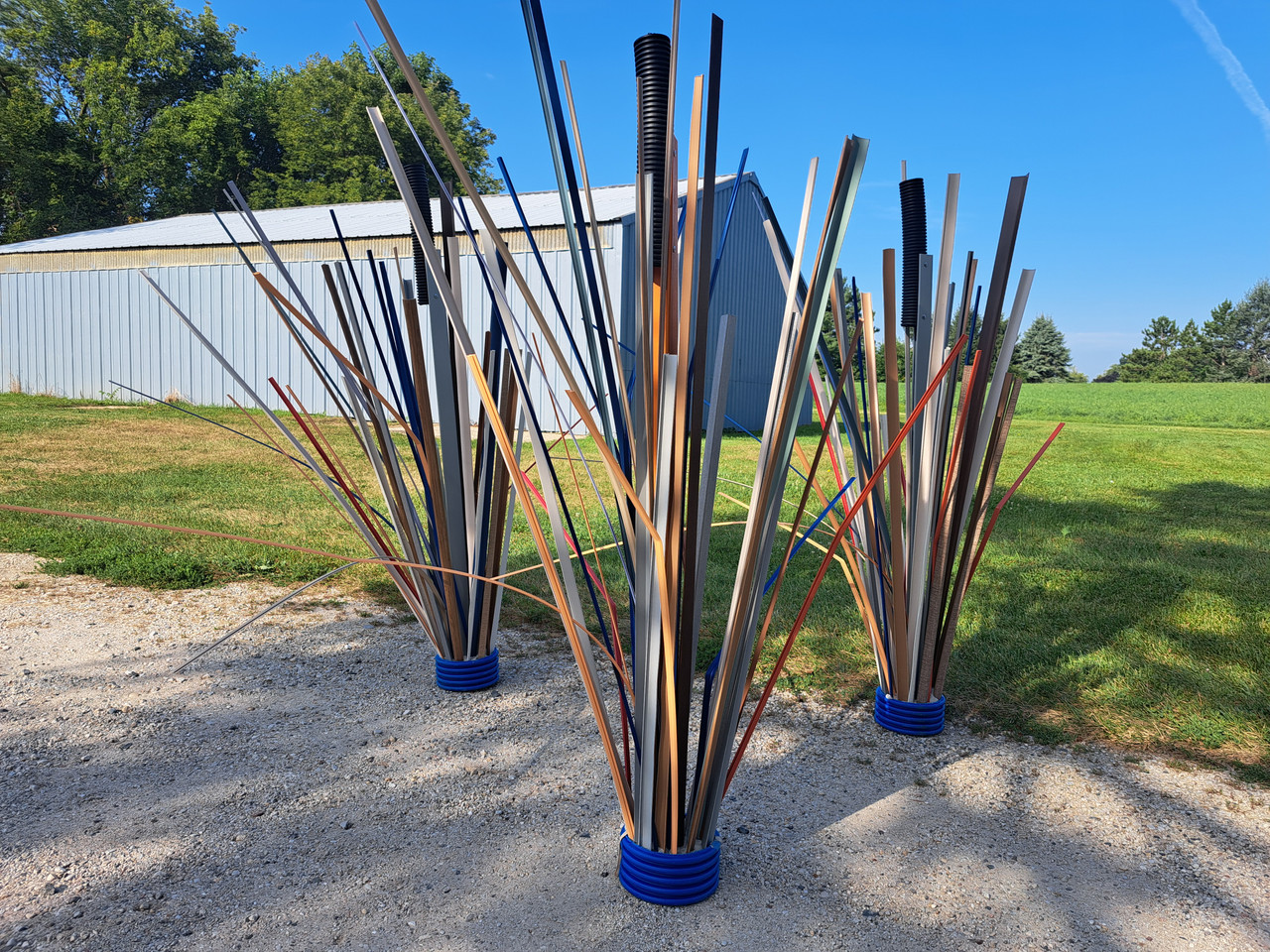
Stakeout resembles cattails and standing timber underwater. Dozens of flexible reclaimed PVC stakes create vertical lanes for crappie, bass, panfish and other freshwater species while allowing fishing lures to move through the cover.
The three-pack contains three completed units. Each provides about 35 square feet of surface area and weighs approximately 15 pounds. Stakes range from 18–55 inches tall and 1.5 inches to more than 3 inches wide.
Best for: creating a cluster of vertical cover along a break, slope or transition zone. The units open without bending, although you can shape individual stakes if desired.
Vertical stake cover serves a different role from fine nursery strands. Include shallow, intricate refuge elsewhere when protecting newly hatched fish is a central goal.
Plan placement before ordering
1. Map existing cover and access areas
Start with a pond sketch and a shoreline inspection. Mark vegetation, woody cover, bare banks, docks, slopes and depth changes. Useful existing habitat belongs in the plan; adding manufactured structures does not mean removing natural cover.
Separate habitat areas from places used for swimming, boat access or equipment service. A submerged structure should not become a surprise obstruction.
- Mark existing natural shelter.
- Identify bare areas you want to improve.
- Preserve maintenance and access routes.
- Record seasonal low-water positions.
2. Match the structure to usable depth
Measure the bottom depth at each proposed location. Then compare it with the unit's height, opened dimensions and recommended placement range. A shallow structure and a taller tree should not be selected by appearance alone.
Check seasonal temperature and dissolved oxygen—the oxygen available to aquatic life—where depth is a concern. Habitat supplies cover, not oxygen. Avoid using extra structure as a substitute for resolving unsuitable water conditions.
- Measure depth at the actual placement point.
- Check low-water clearance over the structure.
- Consider conditions through the seasons.
- Keep nursery and deeper-water objectives distinct.
3. Plan varied cover, not a fixed unit count
Use 20–40% of pond surface area as Fishiding's planning range for varied usable cover, with existing habitat included in the assessment. This is a pond-design starting point, not a promise of population growth or a reason to fill every open area.
Do not convert a product's listed surface area into pond coverage. Habitat surface area describes material surfaces available for growth and use; pond coverage describes the habitat's horizontal footprint. They are different measurements.
- Inventory existing usable cover first.
- Estimate opened footprints on your pond map.
- Combine fine, broad and vertical forms.
- Preserve open water and required access.
4. Shape, place and record the habitat
Every preassembled habitat model and unit, including modular and legacy habitat mats, is self-weighted with cement built into the patented design. No separate ballast or anchor is needed. Keeper and Stakeout also use the UpRise design to help keep their structures standing.
Follow instructions for the selected product. Separate completed units from loose DIY components: a bundle of material is not automatically a finished, self-weighted structure.
- Shape bendable limbs before placement.
- Check the complete unit's handling weight.
- Follow the selected model's instructions.
- Record locations, depths and habitat types.
5. Observe use before changing the layout
Keep dated records of fish entering the cover, using its edges and occupying nearby water. Note fish sizes and water conditions. A camera view provides evidence of use at that place and time; it does not measure the entire pond population.
Avoid moving structures because one fishing trip produced no catch. Check whether placement serves the original habitat objective before disturbing useful cover.
- Compare observations from consistent locations.
- Record small-fish use separately from larger-fish sightings.
- Track stocking and harvest alongside habitat changes.
- Review the plan when pond conditions change.
Compare reclaimed PVC, natural cover and DIY builds
| Option | Best for | Practical benefit | Tradeoff |
|---|---|---|---|
| Existing vegetation and natural cover | Ponds with useful habitat already present | Retains established shelter without a new installation | Distribution and seasonal extent need assessment |
| Brush piles | Owners with suitable woody material and installation capacity | Branching cover provides varied spaces | Interior branches deteriorate and require inspection |
| DIY reclaimed PVC builds | Owners who want control over the design | Allows custom combinations of forms and densities | Assembly and finished-unit stability remain part of the build |
| Preassembled reclaimed PVC habitat | Owners who want completed, self-weighted units | Reduces on-site fabrication and provides verified model specifications | Still requires depth selection, shaping and placement planning |
Fishiding uses reclaimed PVC destined for landfills, and all models are handmade. Structures can be customized to the requested design. Discuss a custom layout when an existing model does not fit your pond's dimensions or habitat objective.
Free shipping applies to every product. Displayed product prices are fixed delivered prices with shipping included; required sales tax applies only to Illinois residents.
What the underwater evidence shows
More than 15 years and thousands of hours of freshwater underwater filming, recorded while diving with scuba gear, document how fish use dense, intricate habitat. This evidence supports Fishiding's claims that all freshwater fish species use its habitat models and that the habitat grows more fish.
That does not mean every species uses every opening in the same way. Depth, season, life stage and waterbody conditions affect how fish use a placement. A nursery structure should be judged by its nursery role, not solely by the number of large fish caught nearby.
Textured reclaimed PVC also provides surfaces for periphyton—a community of algae and other tiny organisms attached to underwater surfaces. The habitat's fine spaces and growing surfaces support the shelter-and-forage objective, rather than simply creating a landmark for anglers.
FAQ
What are good pond structures for fish?
Good pond structures for fish combine dense small-fish shelter, larger openings and forms matched to usable water depth. Compare Cradle for shallow nursery cover, Safehouse for mid-depth refuge, Keeper for taller deep-water habitat and Stakeout for grouped vertical cover.
How deep should I place pond fish habitat?
Follow the selected model's recommended range and your pond's measured conditions. Cradle is recommended for 2–6 feet, Safehouse for 5–8 feet and Keeper for depths over 8 feet; account for seasonal water levels and usable water conditions.
Do Fishiding structures need extra weights or anchors?
No. Every preassembled Fishiding habitat model and unit, including modular and legacy habitat mats, is self-weighted with cement built into the patented design. Loose DIY materials have separate assembly requirements.
How many fish structures should I put in my pond?
Plan by varied usable cover rather than a fixed number of structures per acre. Fishiding's planning range is 20–40% of pond surface area, assessed alongside existing habitat, opened footprints and required access.
Can I use brush piles and reclaimed PVC together?
Yes. A mixed plan can preserve useful natural cover while adding reclaimed PVC habitat in bare areas. Inspect brush piles as their interior branches deteriorate, and match each placement to its habitat role.
Is reclaimed PVC habitat suitable for freshwater ponds?
Fishiding states its reclaimed PVC habitat is safe for freshwater fish, copepods and other aquatic creatures. Its structures are made for freshwater ponds, lakes and reservoirs; choose openings and placement to suit the intended fish sizes.
Can Fishiding customize a pond structure?
Yes. Fishiding models are handmade and can be customized to the requested design. Explain your depth zones, available space and fish-protection objective when discussing a custom structure.
Does shipping cost extra?
No. Every Fishiding product includes free shipping in its fixed delivered price. Required sales tax is charged only to Illinois residents.
Start with the fish you want to protect
The smallest fish should influence your habitat design, not just the largest fish you hope to catch. Fine nursery cover, broader refuge and taller structure solve different parts of the same pond-management problem.
Mark your pond's usable depth zones, existing cover and access areas. Then choose the combination of shallow, mid-depth and deeper habitat that fills the actual gaps. A mapped layout gives every structure a job before it goes underwater.