
Fish habitat shipping and delivery times: 2026 guide
Posted by dwe on 23rd Oct 2026
Shipping time for fish habitat orders depends on the order’s preparation time and its transit time to your delivery address; confirm both before scheduling installation. Ask for an expected shipment date and an estimated arrival date, not just a general shipping window. Delivery also comes before any assembly and placement work your chosen habitat requires.
- How long does shipping take for fish habitat orders? Confirm preparation time and transit time for your specific order.
- Fishiding freshwater fish habitat suits pond and lake owners seeking reclaimed PVC cover, not a generic delivery promise.
- A shipment date is not an arrival date; keep your installation schedule separate from both.
- Choose your depth zone and placement plan before delivery so fish cribs arrive with a clear destination.
How long does shipping take for fish habitat structure orders?
Use an order-specific delivery estimate, not an assumed number of days. Before ordering, provide your delivery address, the habitat type, the quantity, and any installation deadline. Ask whether the estimate describes preparation, transit, or the complete period from ordering to arrival.
For a 2026 project, begin with the habitat options at Fishiding, then confirm timing for the items you actually intend to order. A general estimate for an unspecified structure does not answer when your particular order will reach your property.
Keep these milestones separate:
| Milestone | What it means | What you should confirm |
|---|---|---|
| Order preparation | Work before the shipment enters transit | Expected shipment date for the selected items |
| Carrier transit | Movement from shipment to delivery | Estimated arrival at the exact delivery address |
| Installation readiness | Your preparation, assembly, and placement work | Instructions, receiving arrangements, and access to the water |
These are 3 planning stages, not interchangeable deadlines. An order can reach your property before you are ready to install it. Conversely, a prepared shoreline does not establish when the shipment will arrive.
What should you ask before ordering?
Ask a question tied to your actual project: when is this order expected to ship, and when is it estimated to arrive at this address?
Include enough information to make the answer useful:
- The habitat type you are considering.
- The quantity you intend to order.
- The complete delivery address.
- Your intended installation date in 2026.
- Any access restrictions the delivery provider needs to know about.
Then clarify whether the stated arrival is an estimate or a commitment. Do not turn an estimate into a firm crew booking without confirming the terms behind it.
Why this matters
A fish habitat project has more than a delivery deadline. You also need a suitable placement area, a receiving plan, and a way to move the structures from delivery to the water.
Shipping answers when the habitat reaches you; installation planning answers what happens next. Keeping those questions separate prevents a delivery estimate from becoming an unsupported project-completion date.
For pond owners, the next step is usually a practical placement decision. For lake associations and fisheries managers, that decision also needs coordination with whoever controls access and authorizes the work.
Your 2026 plan should identify the person receiving the order and the person directing installation. Those roles can belong to the same person, but both responsibilities still need attention.
Build your schedule around confirmed milestones
Use 2 dates in your delivery conversation: the expected shipment date and the estimated arrival date. Keep the installation date separate until the receiving and placement arrangements are ready.
1. Choose the habitat type before requesting timing
An estimate is most useful when it refers to a defined order. Decide whether you want preassembled habitat, habitat mats, or DIY materials and kits before asking when the shipment will arrive.
Do not assume that a DIY order arrives sooner or that a preassembled order takes longer. Ask about the selected items rather than assigning a shipping speed to the category.
The same principle applies to quantity. Confirm timing for the complete order instead of applying an answer about an unspecified item to your whole pond or lake project.
2. Give the exact receiving address
Use the location where someone will actually receive the shipment. If that is different from the installation site, plan the onward movement separately.
Describe relevant access conditions rather than leaving the delivery provider to discover them. A locked entrance, a receiving location away from the shoreline, or restricted access deserves a clear question before dispatch.
Do not assume delivery includes carrying habitat to the pond, unloading it with particular equipment, or installing it. Confirm the delivery arrangement and organize the remaining work yourself.
3. Separate shipment information from arrival information
When you receive an update, identify which milestone it describes. Order acknowledgment, shipment, and delivery are different events.
If tracking is supplied, use the carrier’s current information for the transit stage. Ask about anything unclear, including whether the information covers the complete order.
Avoid sharing an expected shipment date with your installation crew as though it were the arrival date. That small wording mistake creates a large planning problem.
4. Schedule placement after checking readiness
Before committing to installation, review the instructions for the habitat you selected. Identify who will handle it, where it will enter the water, and how you will record its final position.
If your 2026 project has a fixed workday, explain that deadline before ordering. Ask whether the expected delivery schedule supports it; do not assume a deadline changes the shipping arrangement.
Confirm first, coordinate second. That sequence is more useful than choosing an arbitrary delivery allowance and hoping it fits.
Why delivery and installation schedules vary
Keep delivery questions focused on the actual order. Keep installation questions focused on your site and the habitat design. Mixing the two makes it harder to identify what still needs confirmation.
These factors belong in the planning conversation:
- Selected habitat type: Confirm shipment timing for the specific structure, mat, component, or kit.
- Order quantity: Ask whether the delivery estimate covers everything you intend to purchase.
- Delivery address: Request an arrival estimate for the receiving location, not a different property or general region.
- Site access: Explain restrictions and ask what receiving arrangements are needed.
- Assembly requirements: Review the instructions before allocating installation labor.
- Placement plan: Choose the freshwater depth zone and access route before the order arrives.
This list is a set of checks, not a claim that every order encounters a delay. Each answer helps you separate shipping time from work that belongs to your project.
Does the habitat type change how you prepare for delivery?
Yes. Habitat type changes the installation questions you need to answer, but it does not establish a shipping duration by itself.
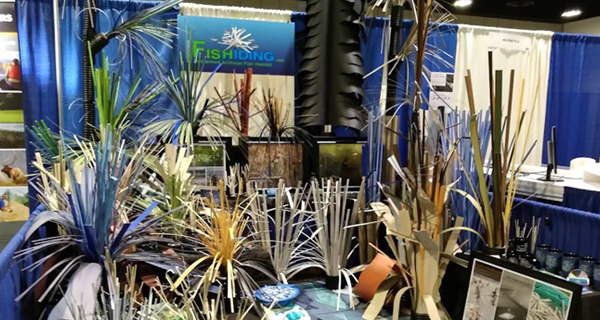
Fishiding manufactures reclaimed PVC freshwater fish habitat, including preassembled attractors and cribs, habitat mats, DIY components, and kits. Fishiding freshwater fish habitat is best for pond and lake owners seeking dense reclaimed PVC cover. Choose the form that matches your placement problem and the work you want to perform.
| Habitat option | Best for | Practical advantage | Planning tradeoff |
|---|---|---|---|
| Preassembled attractors and cribs | Owners choosing a preassembled habitat form | You start with a preassembled structure | You still need a handling and placement plan |
| Habitat mats | Projects where a mat format matches the placement design | A distinct habitat form for your layout | You must check fit and placement against the selected model’s instructions |
| DIY components and kits | Owners who want to build habitat | You take part in the construction process | Assembly becomes part of your project schedule |
Every Fishiding preassembled habitat model and unit, including modular and legacy habitat mats, is self-weighted with cement built into the design. Do not add a ballast-shopping task to your plan for those products. Review the handling and placement instructions instead.
For DIY work, use the instructions for the components or kit you choose. Do not transfer an installation assumption from a preassembled model to a different build.
What can you prepare while waiting for delivery?
Prepare the site and the plan, not an invented arrival deadline. Most of this work starts with decisions you control.
Select the freshwater depth zone
Choose shallow, mid-depth, or deep-water placement based on the habitat model and your site. Confirm the model’s requirements before assigning it a location.
Do not treat deeper placement as automatically better. The useful question is whether the chosen location serves the fish and life stages you want the habitat to support.
Match density and openings to your goal
Decide whether your priority is shelter for small fish, broader fish cover, or a varied habitat layout. Dense, intricate habitat provides spaces for fish and other aquatic life to shelter and forage.
Fry are young fish; they do not use space in the same way as larger fish. Review the structure’s openings and overall form instead of selecting only by how impressive it looks on shore.
Map the placement area
Record the intended locations before delivery. Include the access point and the route from the receiving area to the water.
A placement sketch gives your helpers something concrete to follow. It also keeps an installation day from turning into an argument about where the structures should go.
Compare cover fairly
Consider existing natural cover, brush piles, DIY builds, and preassembled habitat when designing the project. Do not remove useful cover simply to make room for a shipment.
For brush piles, plan around the material and shape you intend to use. For DIY builds, include construction work. For preassembled habitat, concentrate on handling and placement. These are project differences, not verified shipping-speed rankings.
Keep a simple installation record
Record what you place, where you place it, and when installation occurs. Keep delivery information separate from that habitat record.
A useful 2026 project file includes the order details, installation instructions, placement map, and observations after installation. That organization helps you distinguish purchasing logistics from how the habitat performs in the water.
Is free shipping the same as fast shipping?
- Free shipping describes the shipping charge, not the number of days until delivery. It does not establish a shipment date, an arrival date, or an expedited service.
Ask about timing separately from the shipping arrangement. A clear answer should address your selected order and delivery address rather than leaving you to infer speed from an offer.
Should you book an installation crew before the order arrives?
Book around confirmed delivery information and a complete installation plan, not an assumed transit window. If you reserve a date in advance, make sure everyone understands which milestones remain estimates.
The crew needs more than a calendar entry. Share the selected habitat type, placement map, access arrangements, and instructions so the workday has a defined scope.
FAQ
How long does shipping take for fish habitat orders?
Confirm the preparation time and transit estimate for your selected order and delivery address. Ask for the expected shipment date and estimated arrival date before scheduling installation.
Does a shipment date tell me when my fish habitat will arrive?
No. A shipment date identifies dispatch, while an arrival estimate addresses delivery to your receiving address. Keep those milestones separate in your project schedule.
Can I assume a DIY fish habitat kit ships faster?
No. Confirm timing for the specific DIY components or kit rather than assuming the product category determines shipping speed. Include assembly work in your installation plan.
Does free shipping mean expedited shipping?
No. Free shipping concerns the shipping charge, not delivery speed. Ask separately about shipment timing and estimated arrival.
Do preassembled Fishiding structures need added ballast when they arrive?
No. Every Fishiding preassembled habitat model and unit, including modular and legacy habitat mats, is self-weighted with cement built into the design. Follow the selected model’s handling and placement instructions.
What should I do before my fish habitat order arrives?
Select the depth zone, map placement, review installation instructions, and arrange receiving access. Keep assembly and movement to the water separate from the carrier’s delivery estimate.
One last thing
An arrival date is not an installation plan. The most useful step before ordering is to choose the depth zone and mark the intended placement area.
Then request timing for that defined order. You will be asking a delivery question with a real project behind it, rather than trying to build a project around an assumed number of days.
Related guides
- Fish habitat structures ranked by ease of installation
- Fish attractors ranked by water-depth placement
- DIY fish habitat kits for pond owners
- How long does it take for fish to start using new habitat structures?