
Best fish habitat for drinking water reservoirs in 2026
Posted by DWE on 11th Nov 2026
Start with the utility's approved placement plan, then choose habitat for the fish using that part of the reservoir. Our best overall format for a connected nursery is a habitat mat fitted with dense cover; preassembled cribs suit separate vertical placements, and DIY materials suit a crew building its own layout. The One Blank Weighted Modular Fish Habitat Mat is one custom-build starting point, not a finished nursery: attached habitat is not included.
- Fishiding habitat mats are the best overall choice for fish habitat for drinking water reservoirs in 2026.
- Preassembled cribs suit mapped vertical-cover sites; DIY materials suit managers with a crew.
- Fishiding preassembled units and modular mats are self-weighted with built-in cement; loose DIY materials require build-specific instructions.
- Free shipping on every Fishiding product; the displayed price is the complete cost.
- Confirm placement and approvals with your water utility before installing anything.
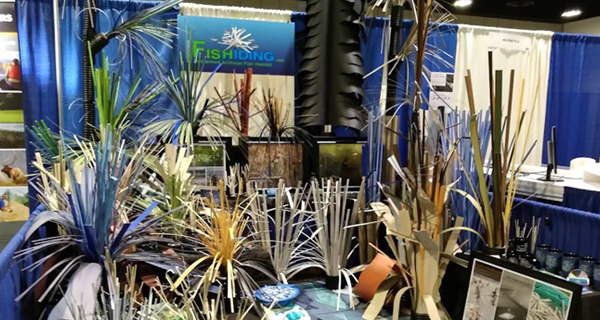
Drinking water reservoirs are a different job from a farm pond. You manage the water for people first and fish second, so habitat has to protect fry and forage while staying simple, stable and easy to document. Fishiding's approach is to work for the fish with dense, intricate, reclaimed PVC habitat that gives fry, copepods and periphyton a place to live in 2026 and beyond.
What makes the best fish habitat for drinking water reservoirs
A reservoir manager is not shopping for decoration. Judge every option on these criteria:
- Density: tight, varied openings protect fry and young-of-year fish from predators.
- Surface area: more submerged surface means more periphyton, the attached growth we call the mother's milk of the aquatic food chain.
- Material profile: reclaimed PVC that Fishiding states is safe for freshwater use with fish, copepods and other aquatic creatures.
- Stability: a structure that stays where you put it, with no loose parts to drift.
- Depth range: options for shallow, mid and deep water.
- Installation effort: how many people, how much equipment, how much time.
Fish habitat options at a glance
| Option | Best for | Standout feature | Design benefit |
|---|---|---|---|
| Habitat mats fitted with cover | Connected nursery areas on suitable flats | Attachment points for a planned cover arrangement | Customizable density and height |
| Preassembled units | Separate nursery or vertical-cover placements | Defined structure, self-weighted with built-in cement | Models for different freshwater depths |
| DIY kits and components | Crews with time and a tight budget | Build to your own layout | Creative control over the finished habitat |
1. Habitat mats: best for fry protection and periphyton
The blank modular mat measures 40 by 48 inches and weighs approximately 235 pounds. Match handling equipment to that weight before choosing this format. Fit it with the density and height your approved nursery site needs.
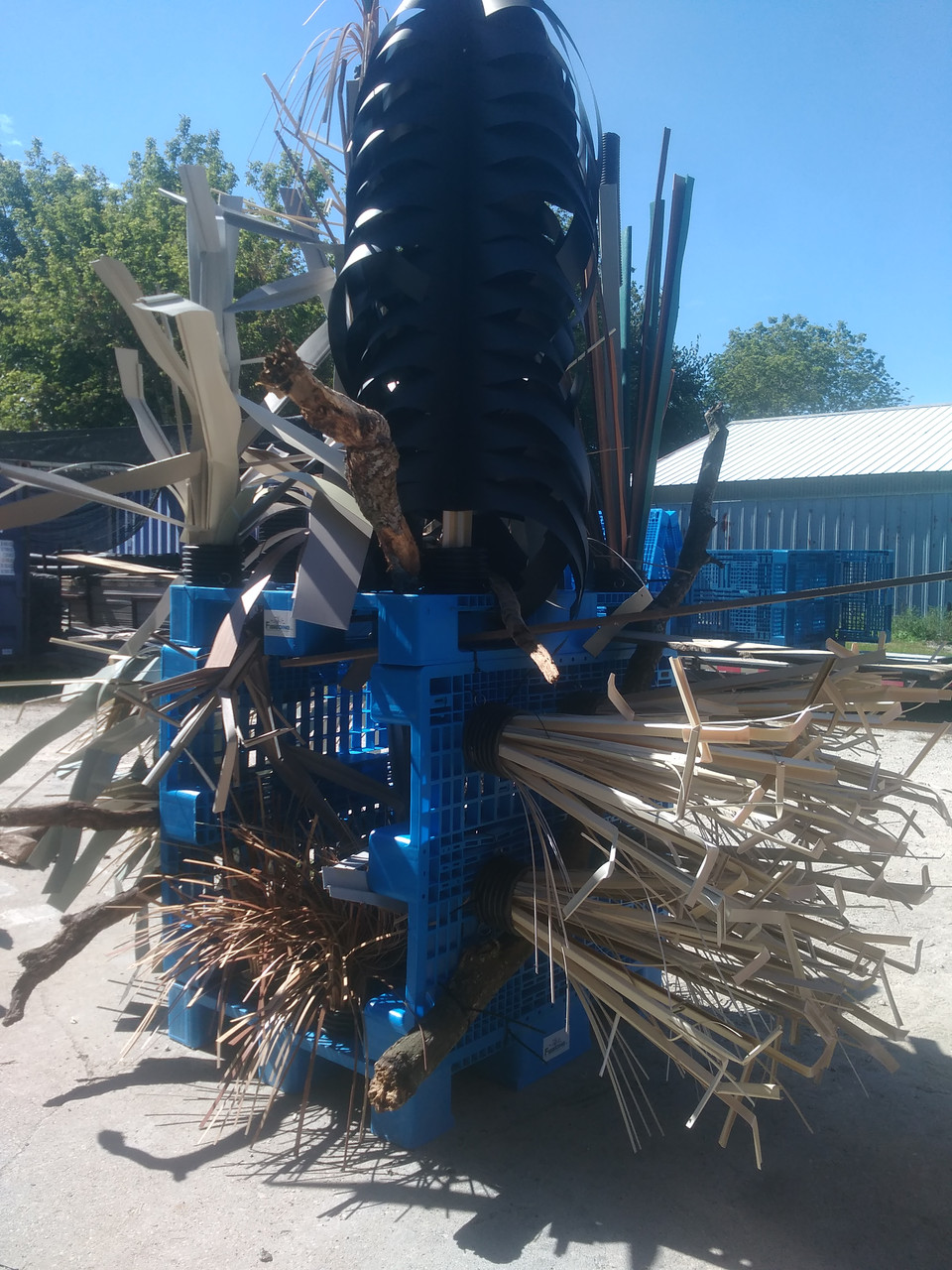
The photograph shows an assembled arrangement. The blank modular mat is the platform only; attached habitat is not included.
Habitat mats pros:
- Dense, varied openings shelter fry and young-of-year fish.
- Large submerged surface area for periphyton.
- Self-weighted, so no ballast or anchoring is needed.
- Pair fitted mats with separate attractors when the plan needs both connected and distributed cover.
Best for: fry protection on shallow to mid-depth flats. Verdict: Buy.
2. Preassembled units: best for separate habitat placements
A lower-weight nursery option is our Ultra Fine Cradle Shallow Fish Habitat Structures. Its current specifications describe 30-inch-tall, self-opening fine cover for 2–6 feet of freshwater. Its fine strands create shelter in shallow nursery water.
Cribs give you height and a defined holding spot. Every Fishiding preassembled unit carries cement built into the patented design, with no separate ballast or anchoring required. Choose a model for your intended depth and placement site.
Cribs pros:
- Vertical structure that fish use at depth.
- Ready to place; no assembly.
- Self-weighted from day one.
Best for: separate habitat locations selected for the actual model. Verdict: Buy for a defined habitat placement.

Upright and branching reclaimed PVC provides varied cover through the water column.
3. DIY kits and components: best for custom crew-built layouts
Use our fine PVC for DIY fish cribs where the design needs fine interior shelter. Specify the complete build and submit its materials and location to the utility before deployment.
DIY materials let your crew build habitat to its own layout from reclaimed PVC and complete the project in phases.
DIY kits pros:
- You control the layout and size.
- Build in phases as your budget allows.
- Same reclaimed PVC material.
Best for: crews and volunteer groups building over time. Verdict: Buy for custom crew-built habitat.
“Match each format to a habitat gap, not simply to the deepest water available.”
How we ranked
The ranking follows the criteria above, weighted toward density, fry protection and the utility's operating needs. Fishiding states its reclaimed PVC is safe for freshwater use. Coordinate the project with the utility's material specifications and placement approvals. Keep water intakes, restricted areas and maintenance routes clear.

Fishiding habitat prepared at the Seneca hatchery illustrates a managed installation project.
Which fish habitat should you choose for a drinking water reservoir?
Start with mats fitted with appropriate cover for a connected nursery. Add preassembled cribs for mapped vertical-cover sites with suitable water conditions. Choose DIY materials when you have the crew and an approved build. Match each format to a habitat gap, not simply to the deepest water available.
FAQ
What is the best fish habitat for drinking water reservoirs?
Dense reclaimed PVC mats fitted with appropriate nursery cover are our choice for connected shelter. A blank mat needs habitat attached; choose finished density and height for the approved site.
Is PVC fish habitat safe in a drinking water reservoir?
Fishiding states its reclaimed PVC is safe for freshwater use with fish, copepods and other aquatic creatures. Confirm approval with your water utility before installing.
Do Fishiding structures need added weight?
No. Every preassembled unit is self-weighted with cement built into the patented design from day one.
What depths can I use fish habitat in?
Fishiding offers habitat for shallow, mid and deep water, including mats, cribs, attractors and kits.
Does shipping cost extra?
No. Shipping is free on every product, and the displayed price is the complete cost.
Can habitat help young fish survive?
Dense, intricate habitat gives fry and young-of-year fish places to shelter and forage. Choose openings that suit those small fish, with usable water around the entire structure.
Where to start in 2026
Start with one approved area and a specific shelter objective. Document the materials, placement and access route, then observe fish use before expanding. That is a better reservoir plan than ordering first and asking the utility later.
Related guides
About the author
David Ewald, owner of Fishiding, designs reclaimed PVC freshwater fish habitat for ponds, lakes and reservoirs.