Do fish habitats need cleaning before reuse elsewhere?
Posted by dwe on 11th Nov 2026
Yes—clean fish habitat before reuse in a different water body, following the source and destination's clean, drain and dry requirements. Moving equipment within the same pond is a different job from carrying it to another lake. The reclaimed PVC remains useful habitat; the transfer procedure protects the waters you are moving between.
- Clean fish habitat before reuse between water bodies using the applicable clean, drain and dry procedure.
- Inspect all surfaces, remove attached material and drain water before transport.
- Follow local drying or decontamination requirements rather than assuming a quick rinse is sufficient.
- Fishiding reclaimed PVC provides surfaces for fresh periphyton growth after reinstallation.
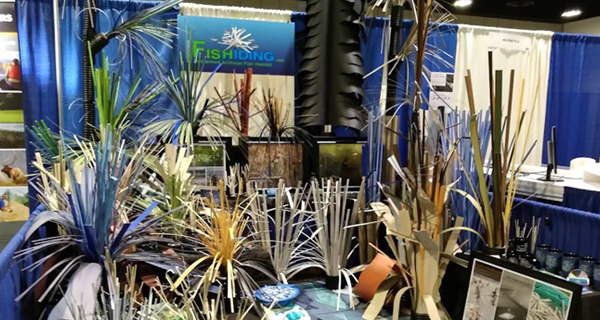
For branching cover such as our Briar Bush Artificial Fish Habitat, include both the base and limbs in the equipment inspection.
Start with the destination, not the hose
For a move within one pond, plan the new location and follow the selected structure's handling instructions. For a move to another water body, check the receiving site's rules before you lift anything. Public waters, managed fisheries and hatcheries can have their own transfer procedures.
The U.S. Fish and Wildlife Service's clean, drain and dry guidance covers the same principle for water-contact equipment: inspect and clean it, drain water and follow the appropriate drying procedure. Organisms can travel with equipment even when they are difficult to see.
This is ordinary freshwater stewardship for anything that has been in the water. It applies to boats, nets and habitat alike.
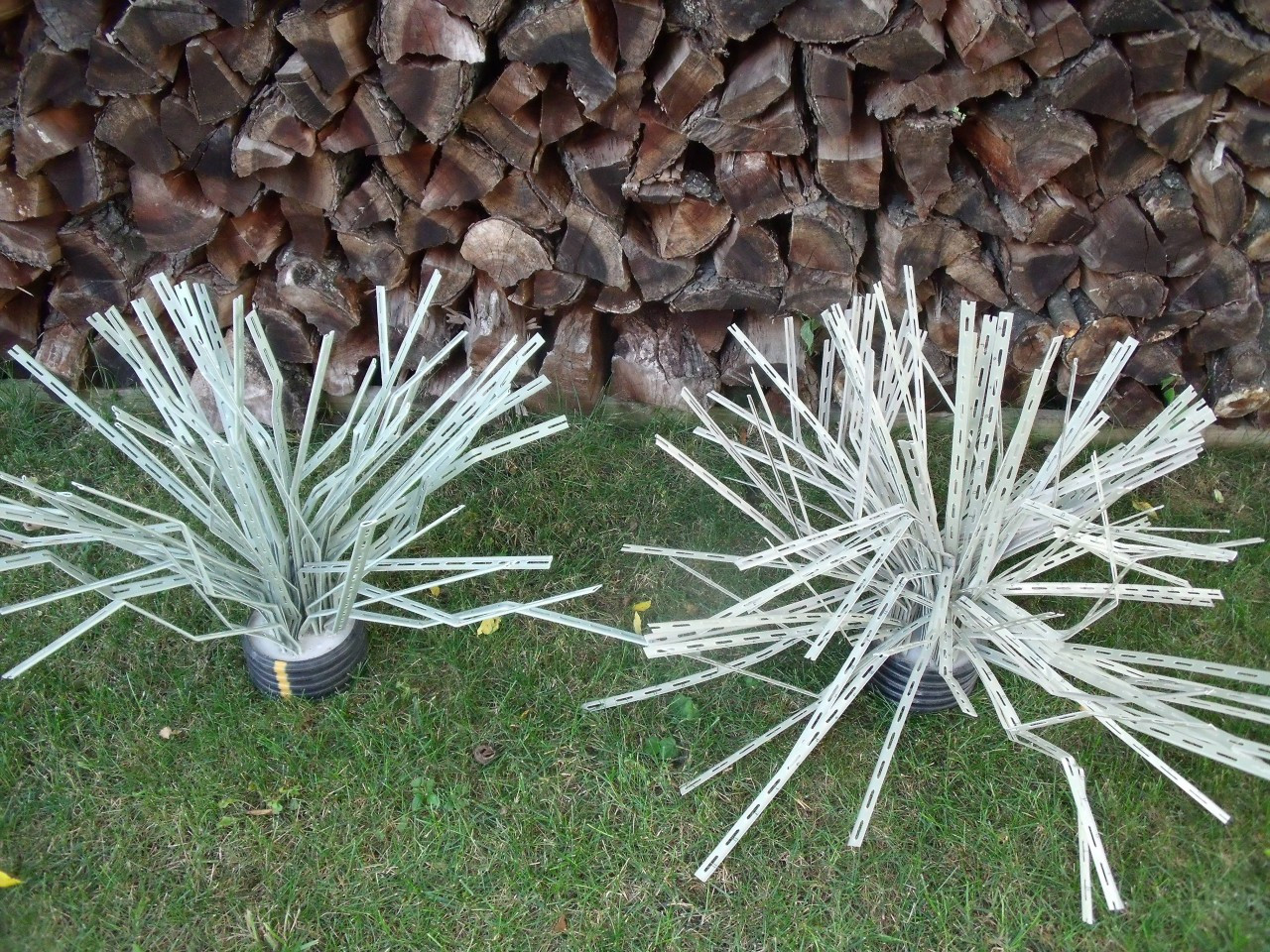
Follow the branches and inspect the base as part of a whole-structure check.
Three different reuse situations
| Move | Practical approach | Who sets the transfer requirements |
|---|---|---|
| New location within the same pond | Inspect, plan the lift and reset the habitat | Pond owner or manager |
| Another pond, lake or reservoir | Clean, drain, dry and complete any required decontamination | Source and receiving-water authorities |
| Hatchery or production facility | Follow the facility's equipment biosecurity protocol | Facility manager or fish-health professional |
Briar Bush is an example of branching cover with a defined cement-filled base. Knowing the actual model helps you plan the lift and identify the surfaces to inspect.
A transfer sequence worth following
- Confirm permission and instructions. Ask about invasive-species restrictions, required drying and any approved decontamination service before moving between waters.
- Prepare a suitable cleaning area. Keep removed plants, animals and wash water from reaching the destination or a storm drain. Follow local disposal instructions.
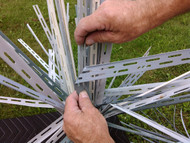
- Inspect the complete structure. Check the base, joints, branches and any water-retaining spaces. Remove attached plant fragments, shells and debris as directed.
- Drain water. Include every part that holds water, along with the vehicle, boat or other equipment used to handle the habitat.
- Complete the required drying or treatment. Use the receiving site's procedure. If a treatment is required, obtain instructions suitable for the complete product and its materials.
- Transport and reinstall. Keep the cleaned equipment separate from source-water debris and place the habitat according to its product instructions.
There is no universal drying time or treatment recipe for every organism, climate and structure. Your local fisheries or invasive-species authority provides the applicable procedure.

Inspect the entire arrangement, including fine branches and the base. Plan a suitable area for the required cleaning and drying steps.
The growing surface is still there
Periphyton is the community of algae and microbes attached to submerged surfaces. It supports the freshwater food web, including small grazing invertebrates that fish eat. On habitat staying in the same water body, that established growth is part of what the structure provides.
For a transfer between waters, follow biosecurity instructions for all attached material. A visible film's color alone does not establish that equipment is ready to move. After reinstallation, local organisms can colonize the reclaimed PVC again.
Our guide to periphyton growth on habitat surfaces explains the habitat side of that growing surface. The structure's shelter spaces and the surface available for new growth remain useful after an appropriately managed transfer.
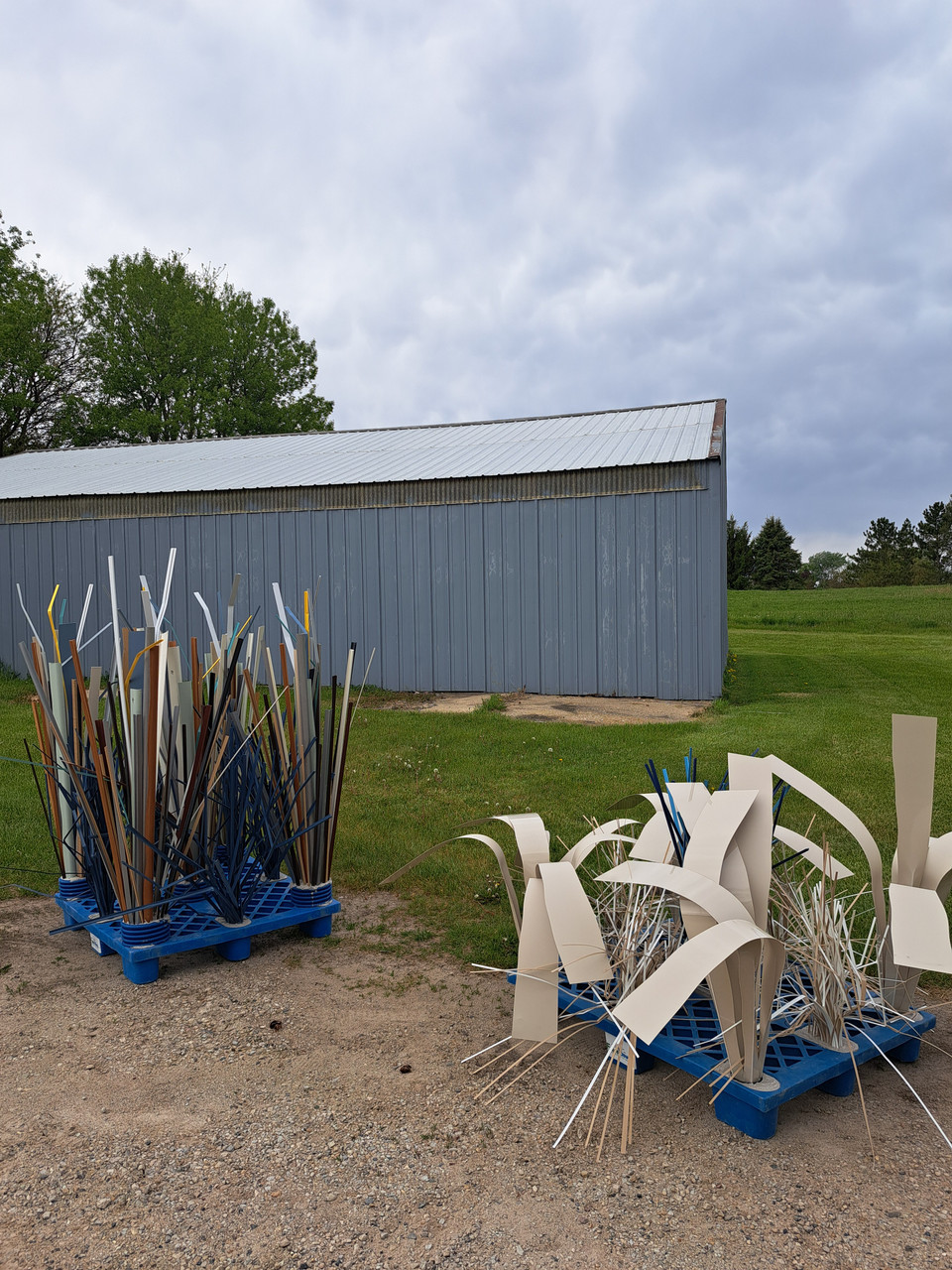
Include every part of a finished habitat complex in the handling and inspection plan.
For hatcheries, let the facility lead
A fish hatchery's cleaning protocol is part of its stock-management program. Obtain it before bringing used equipment onto the site. Keep product-material questions separate from equipment transfer: Fishiding's reclaimed PVC is safe for freshwater use with fish and other aquatic creatures, and the facility determines how incoming equipment is prepared.
Planning a habitat move?
Ask us about the selected model's handling and installation instructions; check transfer requirements with your receiving-water manager.
FAQ
Should I clean fish habitat before reuse in another pond?
Yes. Follow clean, drain and dry guidance and the source and receiving-water requirements, including any required decontamination.
Is a quick rinse enough to transfer habitat between lakes?
Use the applicable transfer procedure rather than a quick-rinse assumption. Inspect and clean the complete structure, drain water and complete required drying or treatment.
Can habitat be moved within the same pond?
Yes. Plan the new location, inspect the habitat and follow the model's handling and placement instructions, along with any site rules.
Should established periphyton stay on equipment moved to another water body?
Follow the receiving site's biosecurity instructions for all attached material. Local periphyton can colonize the PVC after reinstallation.
Should I use bleach on fish habitat?
Use a chemical treatment only when the relevant authority or facility specifies a suitable procedure. Ask for product-material guidance and follow treatment, rinsing and disposal instructions.
Who sets cleaning requirements for a hatchery?
The hatchery manager or fish-health professional sets the facility's incoming-equipment protocol. Obtain it before moving used habitat to the facility.
Clean transfer keeps reclaimed material working for another freshwater habitat project. Get the procedure first, complete it carefully, and the next installation starts with a sound plan.
About the author
David Ewald, owner of Fishiding, designs reclaimed PVC freshwater fish habitat for ponds, lakes and reservoirs.