
Can you snorkel or dive near fish habitat safely?
Posted by dwe on 11th Nov 2026
You can observe freshwater fish habitat by snorkeling or scuba diving when the site, conditions and your training support the activity. Stay outside the habitat and plan the visit with the water's owner or manager. A fish-watching trip deserves the same preparation as any other open-water outing, plus knowledge of where the cover and fishing activity are located.
- To snorkel or dive near fish habitat structures, plan around site permission, visibility and your training.
- Observe from outside the habitat with a buddy; use appropriate flotation or diving equipment.
- Check for fishing activity, boats and discarded line before entering the observation area.
- Fishiding footage lets you explore fish use without entering the water yourself.
Watch the fish without joining the cover
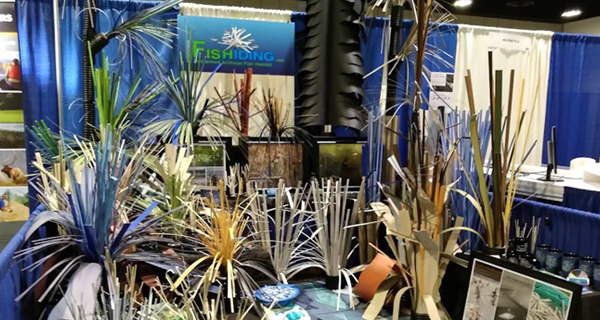
Our habitat gives fry, forage fish and larger fish places to shelter and feed. The fine spaces are working fish cover. A useful observation position keeps your body and equipment clear while leaving the fish room to use those spaces.
Start with our Videos & Installation Instructions. The footage provides a way to explore freshwater habitat use from dry land and helps owners understand the structures before arranging a site visit.
Over more than 15 years, our underwater filming has documented fish using dense, intricate habitat. The detail worth watching is often small: fish moving between branches, feeding near surfaces and returning to shelter. You can study that behavior without entering or handling the habitat.

The fine branches show where small fish find shelter. An observer stays outside those working spaces.
Choose the observation method for the conditions
| Method | Best for | Preparation |
|---|---|---|
| Recorded underwater footage | Exploring fish behavior from anywhere | Choose footage relevant to your fish or habitat question |
| Surface snorkeling | An approved observation area within your ability | Buddy, suitable flotation and an agreed surface plan |
| Scuba observation | Conditions within a diver's qualifications | Dive plan, buddy, appropriate equipment and site briefing |
Certification is not a blanket approval for every depth, current or visibility level. Ask a qualified local diving professional to assess unfamiliar conditions and help plan the activity. Stay within your training.
Before anyone enters the water
- Confirm access permission, local swimming or diving rules and any site restrictions.
- Locate habitat, boat routes, fishing areas, entry points and exits on the site plan.
- Coordinate with anglers so lines are not being cast into the observation area.
- Choose appropriate visibility, weather and water conditions for the planned activity.
- Arrange a buddy and the surface support and signals appropriate to the outing.
Use the locally required diver-down signals where applicable. A flag or float is part of a traffic-awareness plan, not a substitute for it.
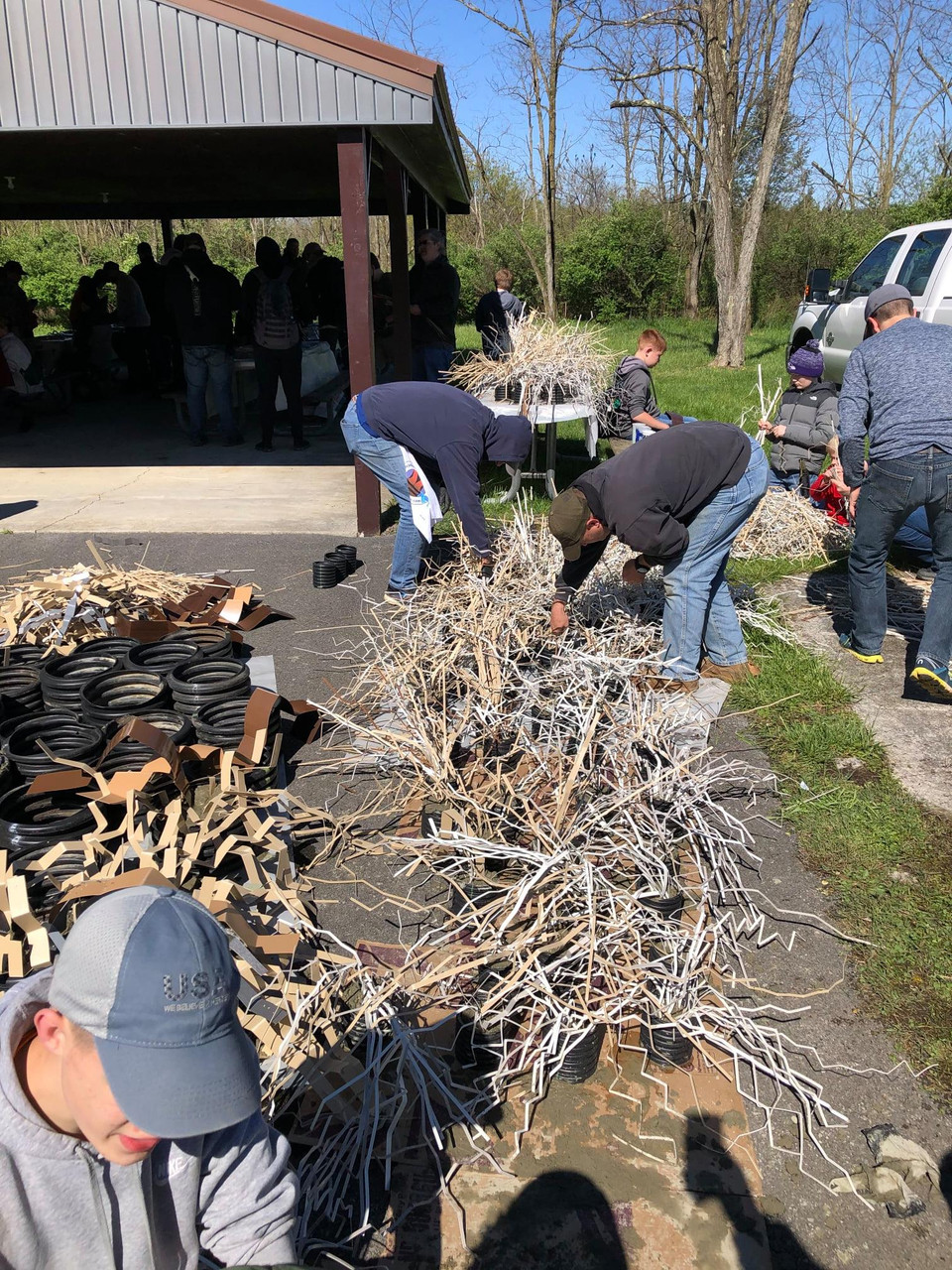
Habitat preparation on shore provides a chance to understand its dimensions and shape before placement.
Keep the dive plan separate from the fish-habitat plan
Fishing line is a known entanglement concern around fishing sites. Divers Alert Network's account of a fishing-line entanglement illustrates why a buddy, appropriate training and a prepared response matter. Have a diving professional advise on equipment and the skills needed for the site.
Do not enter, swim through, climb on or move submerged habitat during an observation visit. Maintain comfortable clearance for your body and equipment, and avoid contacting the bottom. If visibility or control becomes unsuitable, end the observation according to your training and plan.
These open-water practices apply when observing fish around submerged wood, rock, docks and habitat.
Give the fish room to show you something
Look for the whole habitat community, not just the largest bass. Periphyton is attached growth on submerged surfaces; small invertebrates and fish use that food web alongside the shelter.
Our Cradle Artificial Shallow Fry Habitat provides fine branching cover that makes the nursery idea easy to see. Compare the structure's interior with the surrounding water column and watch how different-sized fish use both.
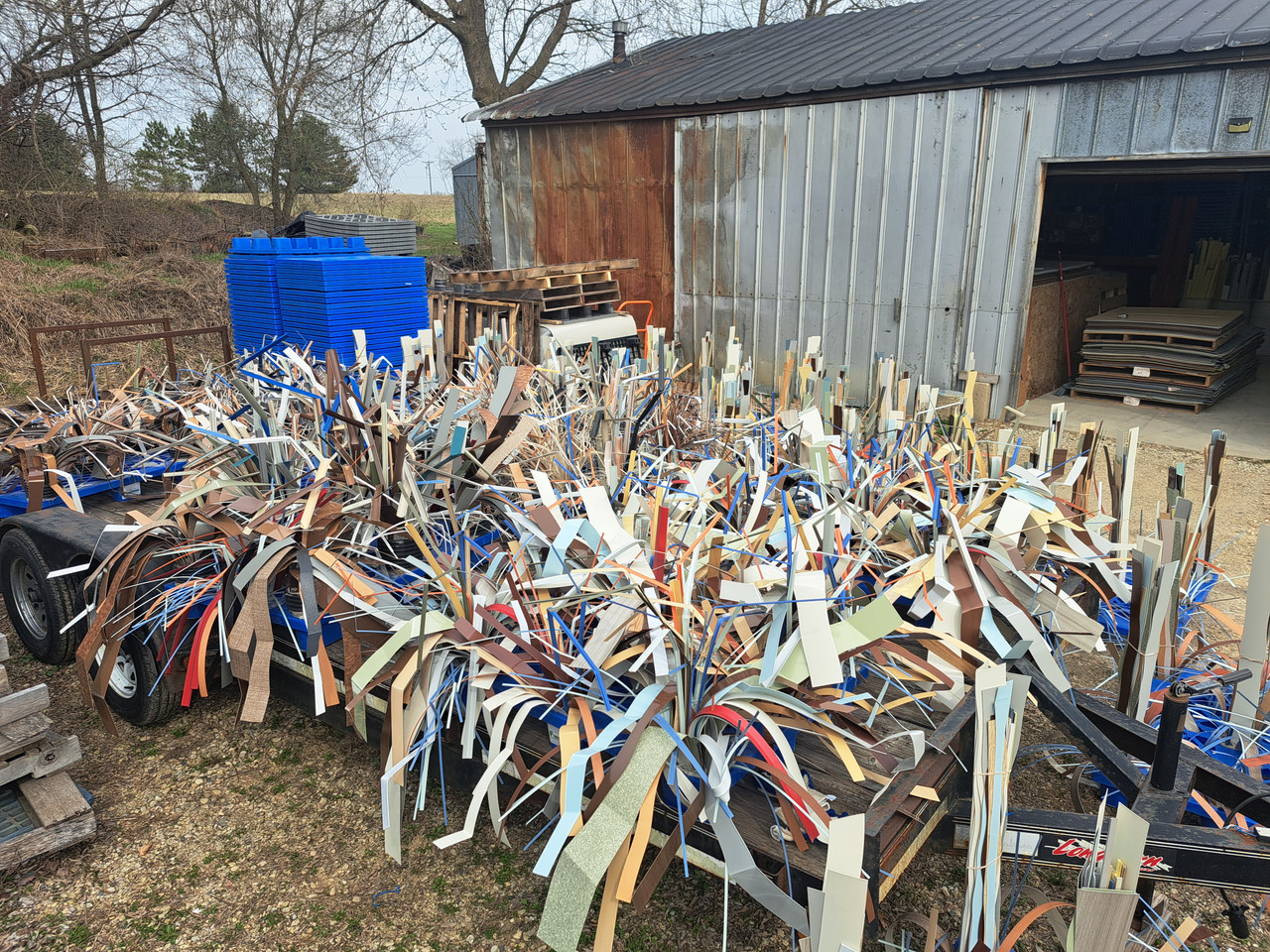
Mixed openings give an observer several kinds of fish cover to study from outside the structure.
For a closer look at the nursery itself, read how dense habitat protects fry and young-of-year fish.
For pond owners with swim areas
Mark habitat locations and keep the fish-habitat plan distinct from designated swimming and diving areas. Share the map with visitors and anyone organizing an approved observation visit. Follow the water manager's activity rules and the product's placement instructions.
Planning habitat around other pond activities?
Ask us about the habitat layout, and arrange swimming or diving plans with the site manager and a qualified professional.
FAQ
Can I snorkel near freshwater fish habitat?
Yes, when site permission, conditions and your ability support the activity. Use a buddy and suitable equipment, and remain outside the habitat.
Does scuba certification make every habitat site suitable for diving?
No. Match the site and conditions to your qualifications and plan with a qualified local professional when needed.
Can I swim through a fish habitat structure?
Stay outside the structure and keep your body and equipment clear. The interior openings are fish shelter, not a swimming route.
What should I check about fishing activity?
Coordinate with the site manager and anglers before entering the area. Include active fishing, discarded line and boat traffic in the observation plan.
Can I watch Fishiding habitat without getting in the water?
Yes. Fishiding's underwater videos let you examine fish behavior and habitat use from dry land.
Should swimmers handle or reposition submerged habitat?
No. Keep observation separate from habitat handling. Follow product instructions and an appropriate installation plan for any repositioning.
The best observation leaves the fish doing what you came to see. Give them room, keep your plan within your training, and let the nursery stay a nursery.
About the author
David Ewald, owner of Fishiding, designs reclaimed PVC freshwater fish habitat for ponds, lakes and reservoirs.