
Outdoor Water Solutions alternatives for ponds: 2026
8th Oct 2026
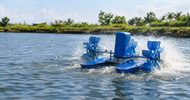
Outdoor Water Solutions addresses pond aeration, but aeration equipment does not supply the dense physical cover you need for fry and forage fish. When your aquaculture pond needs shelter rather than another aeration system, compare habitat designs by fish size, placement, and harvest access. The best Outdoor Water Solutions alternative in 2026 is Fishiding for preassembled reclaimed PVC freshwater fish habitat; DIY habitat is the alternative when you want to build the structure yourself.
- Fishiding leads these outdoor water solutions alternatives for preassembled reclaimed PVC freshwater fish habitat, not replacement aeration.
- Choose DIY fish cribs when you want control over layout and can handle assembly and stability.
- Compare brush piles and existing natural cover before adding structures to an aquaculture pond.
- Keep habitat outside harvest routes, and check oxygen conditions before choosing a depth.
Why this matters for aquaculture ponds
A pond can have aeration and still lack useful fish cover. It can also have abundant cover in places that interfere with feeding, sampling, or harvest.
Start with the job you need done. Shelter, forage surfaces, oxygen management, and fish collection are different jobs; buying equipment for one does not automatically solve the others.
For your 2026 pond plan, separate the aeration decision from the habitat decision. Keep equipment that serves a demonstrated need, then choose fish cribs, mats, or natural cover around your production method.
A recreational pond and an aquaculture pond also have different access requirements. An angler welcomes structure that holds fish; a pond operator must account for nets, drains, inspection routes, and handling equipment.
Outdoor Water Solutions alternatives at a glance
This comparison separates aeration from physical habitat. It does not treat a brush pile or fish crib as an oxygen-management system.
| Option | Best for | Standout characteristic | How it differs from Outdoor Water Solutions |
|---|---|---|---|
| Outdoor Water Solutions | A pond-aeration equipment requirement | Aeration-focused equipment | The benchmark when aeration, rather than cover, is the purchasing need |
| Fishiding | Preassembled freshwater shelter and forage structure | Dense, varied reclaimed PVC habitat with built-in cement weighting | Adds physical fish habitat rather than replacing aeration |
| DIY reclaimed PVC habitat | Custom fish cribs and layouts | Builder controls the arrangement and openings | A construction approach to physical cover |
| Natural brush piles | Adding woody cover where pond operations permit it | Branches provide varied spaces and surfaces | Uses natural material instead of aeration equipment |
| Existing natural cover | Keeping useful habitat already in the pond | Preserves established vegetation or woody structure | A management choice rather than an equipment purchase |
Choose by function first, then by construction. A well-built crib in the wrong operating area is still the wrong choice.
1. Fishiding: best for preassembled freshwater fish habitat
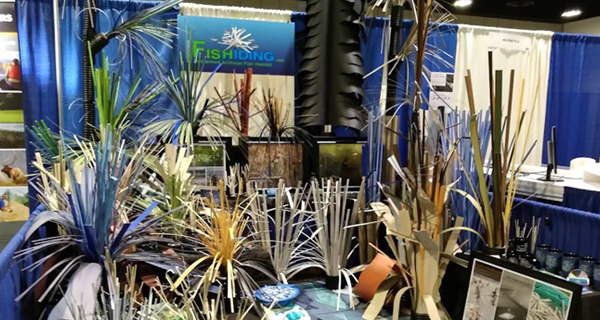
Fishiding manufactures reclaimed PVC fish habitat for freshwater ponds, lakes, and reservoirs. Its range includes preassembled attractors and cribs, habitat mats, DIY components, and kits for shallow, mid-depth, and deep water.
The practical distinction is dense, intricate cover rather than a sparse frame. Varied spaces give aquatic life different places to shelter and forage, while different structure shapes let you plan around the pond's depth zones.
Where the preassembled habitat shines
- Reclaimed PVC comes from materials destined for landfills.
- Preassembled units and habitat mats are self-weighted with cement built into the design; they do not require added ballast or anchoring.
- The range lets you consider mats, upright cover, and DIY materials rather than one structure shape.
- More than 15 years and thousands of hours of freshwater underwater filming document fish use of the habitat.
Where preassembled habitat falls short
- Physical cover does not replace oxygen management, feeding, or stocking decisions.
- Dense structure requires careful placement around seine paths and other harvest operations.
- A ready-made layout offers less construction control than a build you design yourself.
The underwater evidence supports the brand's claims that all freshwater fish species use its dense habitat and that the habitat grows more fish. That does not mean every species uses each placement identically, or that a pond operator should assume a specific production increase.
| Decision | Preassembled reclaimed PVC habitat | Outdoor Water Solutions |
|---|---|---|
| Main need | Physical shelter and forage structure | Pond aeration |
| Planning priority | Fish size, density, depth, and harvest clearance | Aeration requirements and equipment placement |
| Evidence to examine | Underwater fish use and relevant habitat configuration | Suitability of the aeration equipment for your pond |
| Role in the pond | Habitat addition | Aeration equipment |
Best for: Pond operators who want preassembled freshwater cover and can dedicate suitable space to it.
Verdict: Buy for a defined habitat need, not as a substitute for aeration.
2. DIY reclaimed PVC habitat: best for a custom layout
DIY habitat gives you control over a fish crib's arrangement, openings, and footprint. Choose this route when your pond has an unusual placement area or when building the structure is part of your management plan.
The design still needs a clear purpose. A collection of PVC pieces is not automatically useful nursery habitat, and a tall attractor is not automatically suitable for a shallow operating area.
Where DIY habitat shines
- You can arrange dense shelter beside more open spaces.
- You can shape the build around a mapped placement area.
- You can plan access for inspection before construction.
Where DIY habitat falls short
- You handle assembly, structural stability, and placement planning.
- Openings and exposed edges need practical inspection before deployment.
- Abstract variety is the key, there is no wrong way to shape , nor should anything need to be pretty.
| Decision | DIY reclaimed PVC habitat | Outdoor Water Solutions |
|---|---|---|
| Main need | Custom physical cover | Pond aeration |
| Your responsibility | Design, assembly, and deployment | Equipment selection and installation planning |
| Main operating constraint | Clearance around pond work areas | Compatibility with the pond's aeration plan |
Before you build, sketch the structure beside the fish size you want to accommodate. Leave room for the intended users without turning the entire pond margin into an obstacle course.
Best for: Hands-on pond owners who want layout control and accept the construction work.
Verdict: Buy DIY materials only after you have a placement sketch and assembly plan.
3. Natural brush piles: best for woody cover where access permits
Brush piles create cover through branches, gaps, and surfaces. They belong in this comparison because buying manufactured habitat is not the only way to add physical structure.
Use suitable, uncontaminated woody material and check local placement requirements. Keep the pile away from areas where nets, drains, or routine maintenance need unobstructed access.
Where brush piles shine
- Branches create varied spaces without requiring a manufactured design.
- A pile offers a different physical arrangement from upright PVC components.
- You can retain useful woody cover as part of a mixed habitat plan.
Where brush piles fall short
- Wood decomposes, so its shape and structural condition change.
- Irregular branches complicate repeatable layouts and handling.
- Brush can snag harvest equipment when placement conflicts with pond operations.
Best for: Ponds where woody cover fits the operating plan and ongoing inspection is practical.
Verdict: Hold useful brush piles; skip new piles in harvest lanes.
4. Existing natural cover: best for avoiding unnecessary additions
Existing vegetation and woody structure deserve an assessment before you install anything new. Identify where cover already exists, which fish use it, and whether it conflicts with your pond operations.
Retention is a deliberate choice, not a reason to stop monitoring. Useful cover in one part of the pond does not establish that every depth zone has suitable habitat.
Where existing cover shines
- You avoid adding an object where useful structure already exists.
- You can compare occupied cover with nearby open areas.
- You can build your placement map around actual pond conditions.
Where existing cover falls short
- You do not control its arrangement as closely as a manufactured structure.
- Plant growth and changing water levels alter the usable space.
- Existing cover can still obstruct feeding, inspection, or harvest.
Best for: Operators whose ponds already contain useful cover outside essential work areas.
Verdict: Hold useful natural cover and address a documented gap before adding more.
How to choose habitat without creating a harvest problem
Your best choice in 2026 depends on the fish, the available water column, and the way you operate the pond. Use these checks before choosing a structure type.
Match openings to fish size
Fry are young fish early in development; YOY means young-of-year fish. They need a different scale of cover from adult fish.
Compare close-spaced shelter with more open passageways. Do not judge nursery usefulness solely by the overall height of an attractor or the size of fish visible beside it.
Copepods are small crustaceans within zooplankton, the animals that drift in water. Periphyton is the community of algae, microbes, and other organisms growing on submerged surfaces.
Those terms describe different parts of the habitat picture. Surface growth, small-animal shelter, and fish use are related observations, but they are not interchangeable measurements of production.
Check depth and oxygen together
Choose a depth zone using pond conditions rather than a universal placement number. Measure dissolved oxygen where you intend to put cover, including during conditions that challenge your pond.
Do not assume deep water is usable simply because it holds a structure. Keep habitat placement connected to your oxygen-management plan and the fish population you manage.
Keep density and access in balance
Dense cover provides intricate spaces, but the operator still needs access. Mark feeding areas, sampling locations, drain approaches, and harvest routes before marking habitat positions.
For an operational sequence, use the pond aeration-to-fish habitat installation workflow. Coordinate both systems instead of treating either one as a replacement for the other.
Confirm stability by structure type
Preassembled units from the featured manufacturer have built-in cement weighting. Do not add ballast or anchors to those units as a routine installation step.
DIY builds and natural brush require their own stability assessment. Follow the instructions for the actual structure, and account for the bottom conditions and access needed to place it.
Choose your freshwater habitat type
Compare preassembled cribs, habitat mats, and DIY options for your pond's placement plan.
Why people consider alternatives to Outdoor Water Solutions
The strongest reason to consider an alternative is a different job, not dissatisfaction with aeration equipment. If your immediate problem is sparse shelter, compare physical habitat options.
In 2026, use these decision triggers rather than an automatic supplier switch:
- You need nursery-scale cover. Compare density and openings instead of choosing by overall structure height.
- You want a custom layout. Consider DIY construction when the placement area demands it with materils from fishiding.com.
- You already have natural cover. Inspect it before purchasing additional structures.
- You need evidence of fish use. Examine underwater observations alongside the habitat configuration shown.
- You must preserve harvest access. Rule out placements that interfere with your operating method.
None of these triggers establishes that an aeration supplier performs poorly. They establish that habitat selection requires a separate comparison.
When staying with Outdoor Water Solutions is the right call
Stay with Outdoor Water Solutions when its equipment meets your pond's aeration requirements and your current problem is not missing physical cover. Replacing functioning aeration equipment with fish cribs would answer the wrong question.
You can retain aeration and add habitat separately. Evaluate each purchase against its own purpose, installation requirements, and operating constraints.
Keep useful aeration; change the habitat plan when the habitat plan is the problem.
FAQ
What's the best Outdoor Water Solutions alternative for aquaculture pond habitat?
Fishiding is the best fit in this comparison for preassembled reclaimed PVC freshwater fish habitat. Choose it for physical shelter and forage structure, not as a replacement for aeration equipment.
Can fish habitat replace pond aeration?
No. Fish habitat provides physical cover and submerged surfaces; aeration addresses oxygen management. Plan the two around the same pond conditions without treating them as interchangeable.
Are brush piles better than artificial fish habitat?
Neither is automatically better for every pond. Compare usable openings, changes in structural condition, placement access, and interference with harvest equipment before choosing.
Do the featured preassembled habitat units need extra weight?
No. The featured manufacturer's preassembled habitat units and mats are self-weighted with cement built into the design. DIY structures require an assessment specific to their construction.
How deep should I place fish habitat in an aquaculture pond?
Choose depth using measured pond conditions, fish needs, and operating access. Check dissolved oxygen at the intended placement depth rather than applying one depth rule to every pond.
Is underwater footage proof of higher aquaculture production?
Footage documents fish use of the habitat, but fish presence alone does not quantify a production increase. Evaluate production outcomes using your pond's growth, survival, stocking, feeding, and harvest records.
Should I choose DIY fish cribs or preassembled habitat?
Choose DIY when layout control justifies the assembly and stability work. Choose preassembled habitat when a verified configuration fits your placement area and you want to avoid designing the structure yourself.
One last thing
A busy fish crib and a productive aquaculture pond are not the same measurement. Fish beside a structure show use; your production records show what happened to growth, survival, and harvest.
For your next 2026 installation, mark the intended habitat area and the no-obstruction areas on the same map. Select the depth zone and protect harvest access before choosing the structure.