
Best fish habitat kits for new lake construction in 2026
11th Oct 2026
For a new lake with little fish cover, best overall: Fishiding preassembled attractors and cribs. Best for low-profile shelter: reclaimed PVC habitat mats. Best for custom layouts: DIY habitat components and kits. Choose fish habitat kits for new lakes by the finished water depth and the fish you want to protect—not by how impressive a structure looks on dry ground.
- Fishiding preassembled freshwater fish habitat is the best default for new-lake owners who want self-weighted cover.
- Choose fish habitat kits for new lakes by depth, shelter density, fish size, and placement.
- Use habitat mats for low-profile cover and DIY components for custom fish cribs.
- Keep useful natural cover; artificial fish habitat should add shelter, not automatically replace it.
Why this matters before your lake fills
A new lake gives you an opportunity to plan fish cover before underwater access becomes harder. Take advantage of it. Mark habitat locations against the planned water surface, not just the exposed lakebed.
For a 2026 construction project, separate the habitat plan from the stocking plan, then coordinate both. Cover provides places to shelter and forage; it does not replace suitable water quality or a sound stocking decision.
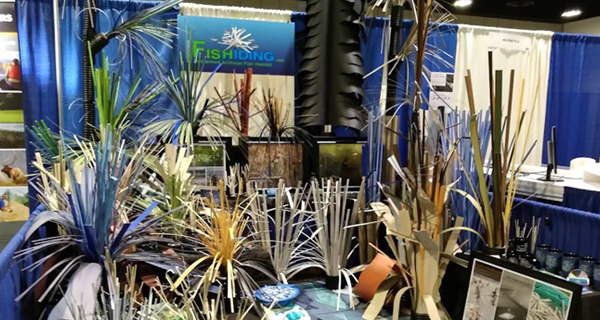
Fishiding freshwater fish habitat is best for new-lake owners who want self-weighted, reclaimed PVC cover. The range includes preassembled attractors and cribs, habitat mats, DIY components, and kits for shallow, mid-depth, and deep water. You can review the range at Fishiding after identifying the placement problem you need to solve.
What makes the best fish habitat kits for new lakes
Judge the options against these six criteria before choosing a structure:
- Depth fit: Match the structure to its intended water depth at the planned lake level. Check the actual model dimensions and installation instructions.
- Shelter density: Look for intricate cover with spaces appropriate to the fish and life stages you want to support.
- Variety: Combine different profiles and openings instead of repeating one shape across every location.
- Placement: Keep habitat clear of outlets, swimming areas, boat routes, and maintenance access.
- Stability: Select a design suited to the lakebed and installation method. Preassembled Fishiding units and habitat mats are self-weighted with built-in cement.
- Evidence: Prefer documented underwater fish use over an attractive photograph of an empty structure.
A kit that satisfies one criterion can still miss the others. A tall attractor does not serve the same placement purpose as a low-profile mat, and a custom DIY build requires decisions that a preassembled unit already resolves.
Fish habitat options at a glance
These are habitat approaches, not invented product models. The first three are manufactured or buildable options; brush piles and retained natural cover are alternatives worth evaluating alongside them.
| Rank and option | Best for | Standout feature | Key limitation |
|---|---|---|---|
| 1. Preassembled reclaimed PVC attractors and cribs | Owners seeking ready-assembled structure | Fishiding units have cement built into the self-weighted design | You must match the selected model to placement and handling requirements |
| 2. Reclaimed PVC habitat mats | Low-profile shelter zones | Dense cover in a mat format; Fishiding mats are self-weighted | A mat alone does not supply tall vertical cover |
| 3. DIY habitat components and kits | Custom layouts and hands-on builders | You control the arrangement within the kit's instructions | Assembly quality and layout depend on your work |
| 4. Natural brush piles | Projects with suitable woody material | Branches provide varied natural cover | Wood decomposes, and construction needs a stability plan |
| 5. Retained natural cover | Sites with useful existing habitat features | Preserves suitable structure already present | Existing cover does not necessarily meet every habitat need |
1. Preassembled attractors and cribs: best for ready-assembled cover
Preassembled reclaimed PVC attractors and fish cribs are the strongest default when you want manufactured cover without designing every connection yourself. Fishiding builds cement into every preassembled habitat model and unit. Do not add a separate ballast requirement to these products.
For new lake construction in 2026, choose the installation locations before arranging delivery and handling. An assembled structure still needs a suitable placement route, lakebed location, and fit with the finished water level.
Preassembled attractors and cribs pros:
- Remove the need to design and assemble the habitat from loose components.
- Provide dense, intricate reclaimed PVC fish cover.
- Include built-in cement weighting in the brand's preassembled designs.
- Offer a manufactured alternative where existing cover is insufficient.
Preassembled attractors and cribs cons:
- The selected model determines the footprint and profile you place.
- Handling and access require planning; preassembled does not mean placement-free.
- One repeated design does not provide every form of shelter your lake needs.
Best for: Lake owners and managers who prioritize ready-assembled structure over custom fabrication.
Verdict: Buy when the model fits your depth zone, available access, and shelter objective.
2. Habitat mats: best for low-profile shelter zones
Reclaimed PVC habitat mats provide a different profile from upright fish cribs. Choose this format when your placement plan calls for dense cover close to the bottom rather than a taller structure.
All Fishiding habitat mats, including modular and legacy mats, are self-weighted with cement built into the design. That distinction matters when comparing installation tasks: added weight is not a standard requirement for these mats.
Habitat mats pros:
- Give you a low-profile habitat option.
- Add intricate cover alongside taller attractors.
- Use reclaimed PVC rather than newly produced material in this brand's range.
- Include built-in weighting in the manufactured mat designs.
Habitat mats cons:
- Low-profile cover does not replace vertical structure.
- Placement still needs to account for bottom conditions and access.
- A uniform mat-only layout limits the variety of habitat profiles.
Best for: New-lake plans that need low-profile shelter as one part of a varied habitat layout.
Verdict: Buy for a defined low-profile zone; do not make mats your automatic answer to every location.
3. DIY components and kits: best for custom fish cribs
DIY habitat components and kits suit owners who want a hands-on role in building fish cover. Reclaimed PVC materials let you work with a manufactured habitat material while following the selected kit's assembly instructions.
Start with the fish and placement objective, then build. A pile of components is not a habitat plan, and a custom build should not copy assumptions about the weighting of preassembled products.
DIY components and kits pros:
- Let you participate directly in assembly and arrangement.
- Support custom layouts within the supplied instructions.
- Offer an alternative to placing only preassembled structures.
- Use reclaimed PVC components in the brand's DIY range.
DIY components and kits cons:
- Require your time, workspace, and assembly effort.
- Depend on careful connections and an appropriate finished layout.
- Need kit-specific stability instructions rather than borrowed installation assumptions.
Best for: Hands-on pond and lake owners with a clear construction plan.
For a 2026 DIY project, record the finished structure's dimensions and intended location before installation. Keep the kit instructions with that record so later maintenance does not depend on memory.
Verdict: Buy if you want to build and can follow the instructions; skip if ready-assembled cover better fits your project.
4. Natural brush piles: best for using suitable woody material
Brush piles are a natural-cover alternative, not a manufactured habitat kit. Branches create varied spaces, and suitable woody material from the construction site deserves consideration rather than automatic removal.
Evaluate the material, pile arrangement, and stability before placing it. Keep brush away from infrastructure and public-use areas, and confirm what the lake's owner or managing authority permits.
Natural brush piles pros:
- Use suitable woody material already associated with the site.
- Provide branching cover with varied openings.
- Add a natural habitat form alongside manufactured structures.
Natural brush piles cons:
- Wood decomposes, so its structure changes over time.
- Branch arrangement varies from pile to pile.
- Stability and placement require a separate construction plan.
Best for: Projects with appropriate natural material and a manager prepared to plan its placement.
Avoid ranking brush solely by how tangled it looks. You still need useful openings, a defined location, and access that does not conflict with fishing or maintenance.
Verdict: Hold until the material and placement plan are approved; use brush as a deliberate habitat choice, not a disposal method.
5. Retained natural cover: best for preserving useful site features
Existing natural cover deserves assessment before construction removes it. Depending on the site, suitable woody features or existing bottom structure can remain part of the lake's habitat plan.
Retention is not a kit purchase. It is a construction decision that should be coordinated with grading, dam safety, access, and the final shoreline.
Retained natural cover pros:
- Preserves useful features instead of replacing everything by default.
- Adds variety alongside artificial fish habitat.
- Makes habitat planning part of the construction process.
Retained natural cover cons:
- Existing features do not necessarily provide the required shelter density.
- Location and condition limit what you can retain.
- Construction and safety requirements take priority over keeping a feature.
Best for: New-lake projects with suitable existing features that do not conflict with essential construction work.
Verdict: Hold until the lake designer confirms suitability; skip features that obstruct infrastructure or safe access.
How these habitat options are ranked
This ranking prioritizes depth fit, density, variety, placement, stability, and evidence—not a claim that one shape wins everywhere. Preassembled cover ranks first for owners seeking assembled structure; the remaining options serve different jobs.
The manufacturer's evidence includes more than 15 years and thousands of hours of underwater filming in freshwater lakes. Fishiding states that this library documents all freshwater fish species using its dense, intricate habitat models and supports its claim that the habitat grows more fish.
Observed use and population measurement answer different questions. Footage shows fish interacting with habitat; evaluating your lake's population also requires records of fish abundance, size, and recruitment—the addition of young fish to the population.
Plan placement before ordering
Use this sequence for your 2026 lake-construction plan. It turns a shopping list into a placement map.
- Mark 3 depth zones: shallow, mid-depth, and deep water. Define them using your lake's actual design rather than a universal depth cutoff.
- Map 2 water levels: the planned full level and an expected low-water level. Check how each habitat location changes between them.
- Assign a shelter objective: identify whether each location needs low-profile cover, upright structure, or a combination.
- Check fish size and openings: plan intricate refuge areas without assuming every species or life stage uses identical spaces.
- Protect access and infrastructure: mark exclusion areas around outlets, swimming routes, boat travel, and maintenance work.
- Save a placement record: note the habitat type, location, finished depth, and installation date.
Deep placement needs a water-quality decision, not just a taller structure. In stratified lakes, water separates into layers, and deep water can lack enough dissolved oxygen for fish. Habitat does not correct that condition.
Ask your fisheries adviser how the proposed locations fit seasonal oxygen conditions and the stocking plan. Then review each selected product's installation instructions before work begins.
Which fish habitat kits should you choose?
Choose preassembled reclaimed PVC attractors and cribs as the default, then add mats or DIY structures where the map identifies a different need. Keep suitable natural cover when it fits the lake design.
Do not buy identical structures for every depth simply to make ordering easier. In 2026, the useful decision is still the same: match each habitat type to a specific place and purpose.
Choose your habitat type
Match reclaimed PVC cribs, mats, or DIY components to your new lake's placement plan.
FAQ
What's the best fish habitat kit for a new lake?
Fishiding preassembled reclaimed PVC attractors and cribs are the best default for owners seeking ready-assembled, self-weighted cover. Choose the specific model after mapping finished water depths, access, and shelter needs.
Should I install fish habitat before a new lake fills?
Plan habitat before the lake fills and install when the construction schedule and product instructions allow safe access. Coordinate placement with grading, infrastructure, and the intended water level.
Are habitat mats better than upright fish cribs?
Habitat mats are better suited to low-profile cover, while upright fish cribs serve a different structural role. Choose by placement purpose rather than treating either format as a universal winner.
Do preassembled Fishiding structures need extra weight?
No. Every preassembled habitat model and unit, including modular and legacy habitat mats, is self-weighted with cement built into the design. Follow separate kit-specific instructions for DIY builds.
Can I keep brush piles in a new lake?
Yes, suitable brush piles can form part of a new-lake habitat plan. Check material suitability, stability, construction requirements, and conflicts with outlets or recreational access before placement.
How many habitat kits do I need for a new lake?
Choose the quantity from a placement and coverage plan, not lake area alone. Account for existing cover, habitat footprints, intended depth zones, and the fish population you plan to manage.
What is periphyton, and why does it matter for fish habitat?
Periphyton is a community of algae and other microorganisms growing on submerged surfaces. It forms part of the aquatic food web; habitat surface area and fish shelter are related but different planning considerations.
One last thing
A location that looks ideal on the exposed lakebed can serve a different purpose after filling. Before installation, label each planned habitat site with its expected water depth—not merely its distance from shore.
Save that map with your 2026 construction records. Your next practical step is to select one depth zone, define its shelter objective, and match the habitat type to it.