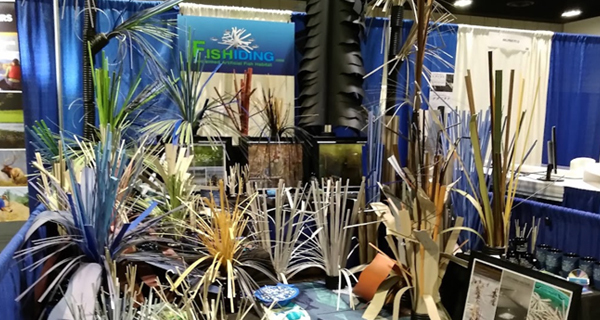


DIY FRESHWATER FISH HABITAT
Good bass habitat is not one open object. It combines dense refuge for fry and forage fish with wider shade, edges and travel lanes for adult bass.
Shop DIY materialsGet a free habitat design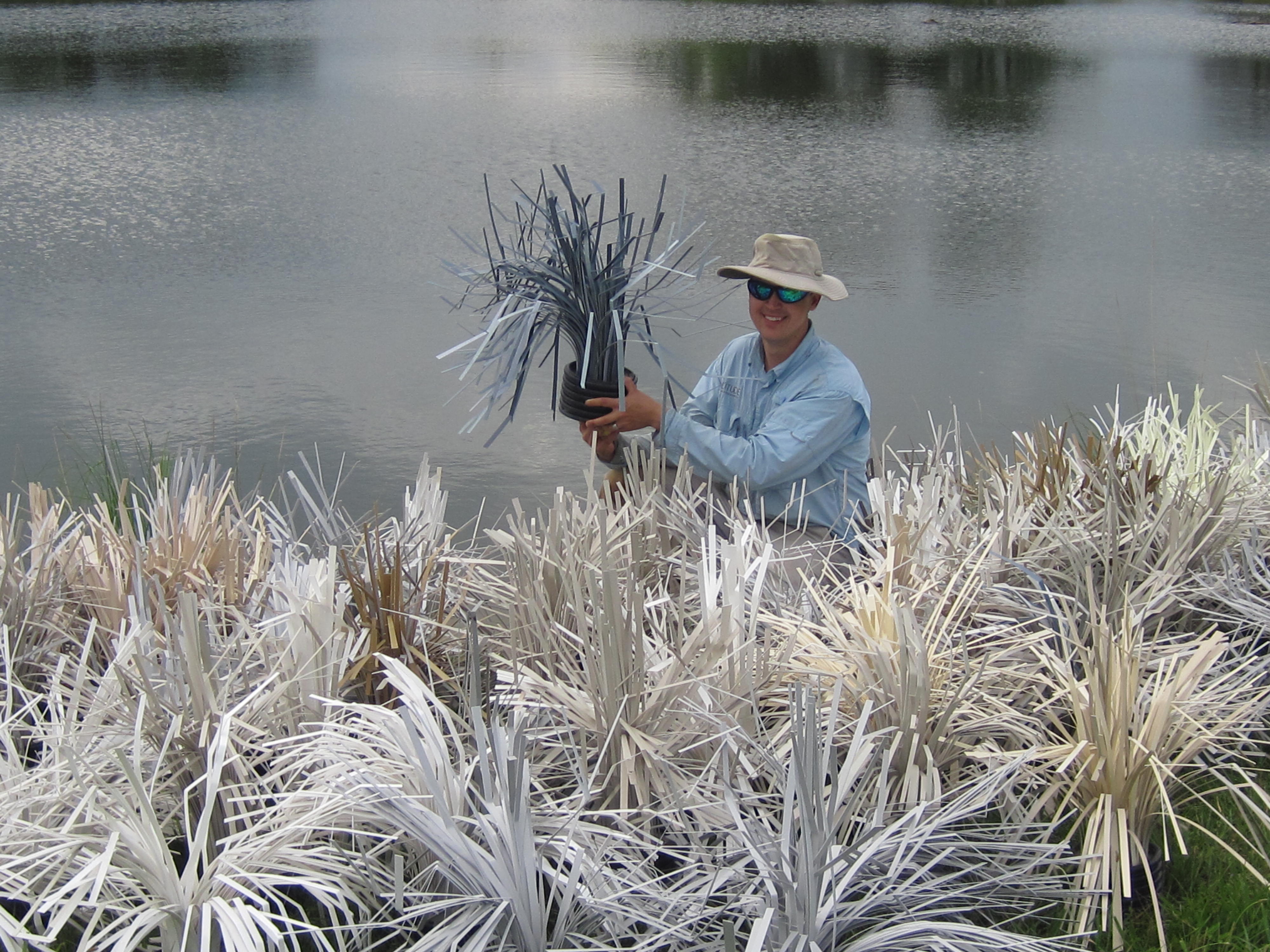
WHY DENSITY MATTERS
Start with food and protection, not only an ambush point
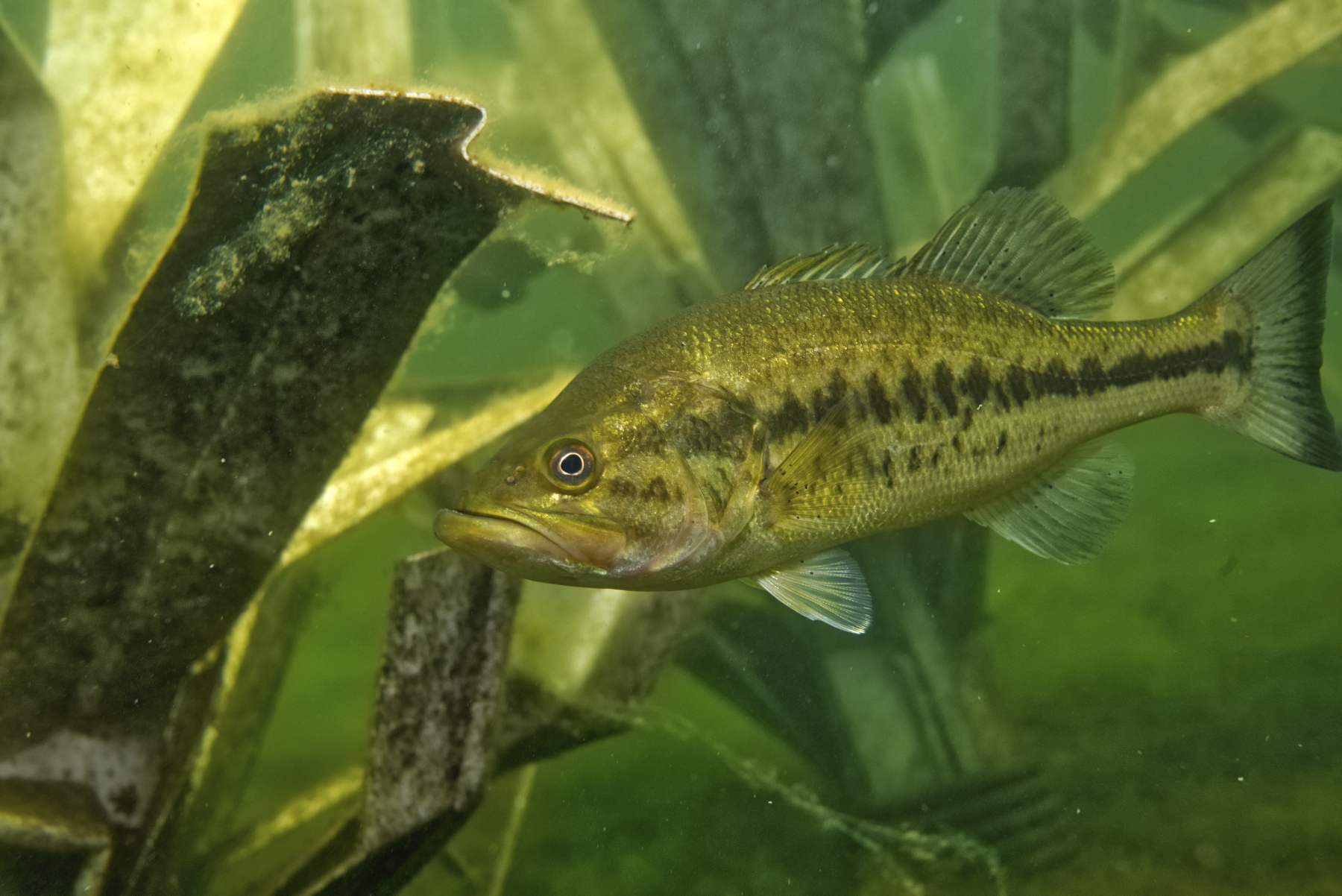
Bass depend on a healthy food chain. Fine, intricate cover gives newly hatched fish and forage species places to escape, feed and grow. Wider limbs nearby add shade, open pockets and edges where larger fish can rest and hunt.
Use several textures and opening sizes rather than building every unit the same. Fishiding's underwater observations show freshwater fish of all species and sizes using dense, varied habitat.
BUILD A USEFUL CLUSTER
Three parts create a better bass habitat zone
Choose a stable base
For loose DIY material, use a suitable container or form with enough cement for the size and height of the structure. Finished Fishiding habitat models already have cement weight built into their patented design.
Mix fine and wide cover
Place dense flexible strands low and through the center. Add wider or taller reclaimed PVC limbs around the outside to create shade, openings and irregular edges.
Build a group, not an island
Arrange multiple structures with some limbs nearly touching. Keep a few open lanes around the cluster so bass can move along the edge while smaller fish retain tight refuge.
PLACEMENT PLAN
Spread habitat across the water depths fish use
Fry and forage refuge
Use the finest and densest cover near spawning and nursery areas where young fish need small protected spaces.
Travel and feeding edges
Place mixed-height clusters along drop-offs, points or routes between shallow and deeper water.
Shade and larger openings
Use taller, wider profiles where adult fish can rest, move and hunt while remaining close to denser cover.
CHOOSE YOUR BUILD PATH
Start with the material that fits your water
Fine PVC for dense cover
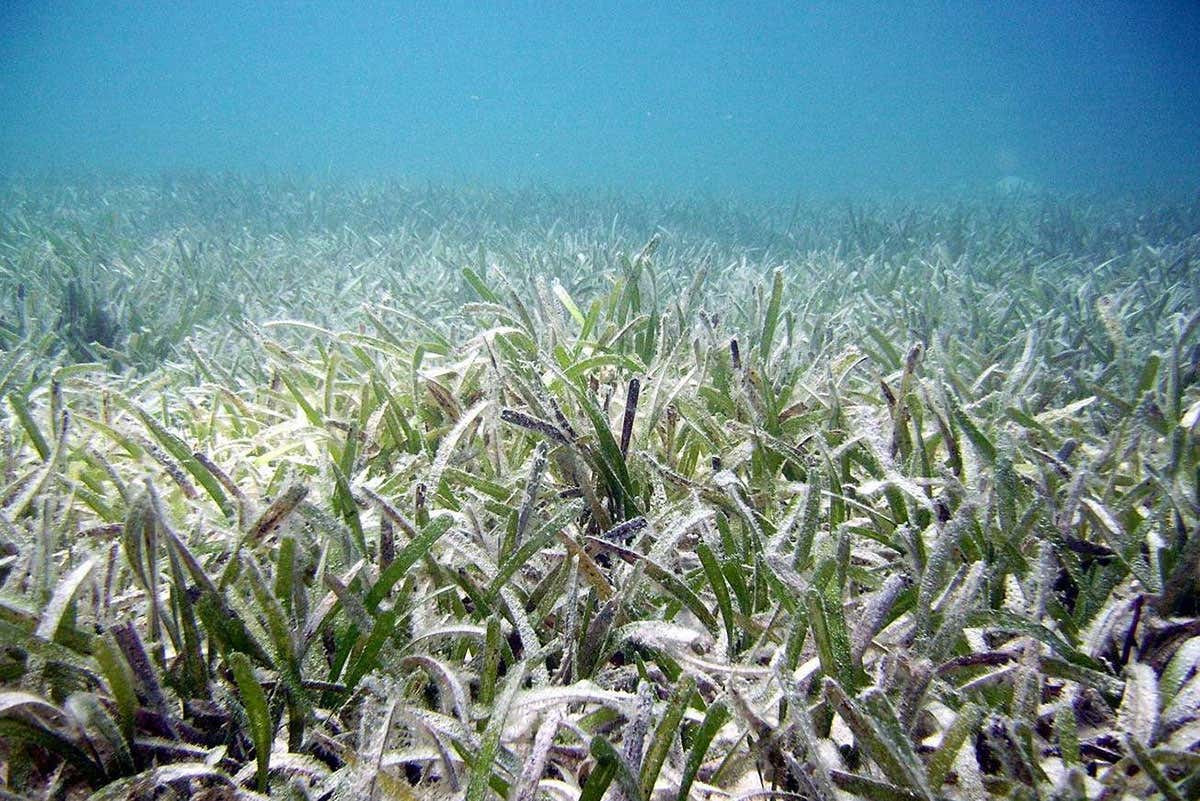
Best for adding intricate fry and forage refuge to shallow builds, cribs and stake beds.
View fine DIY material →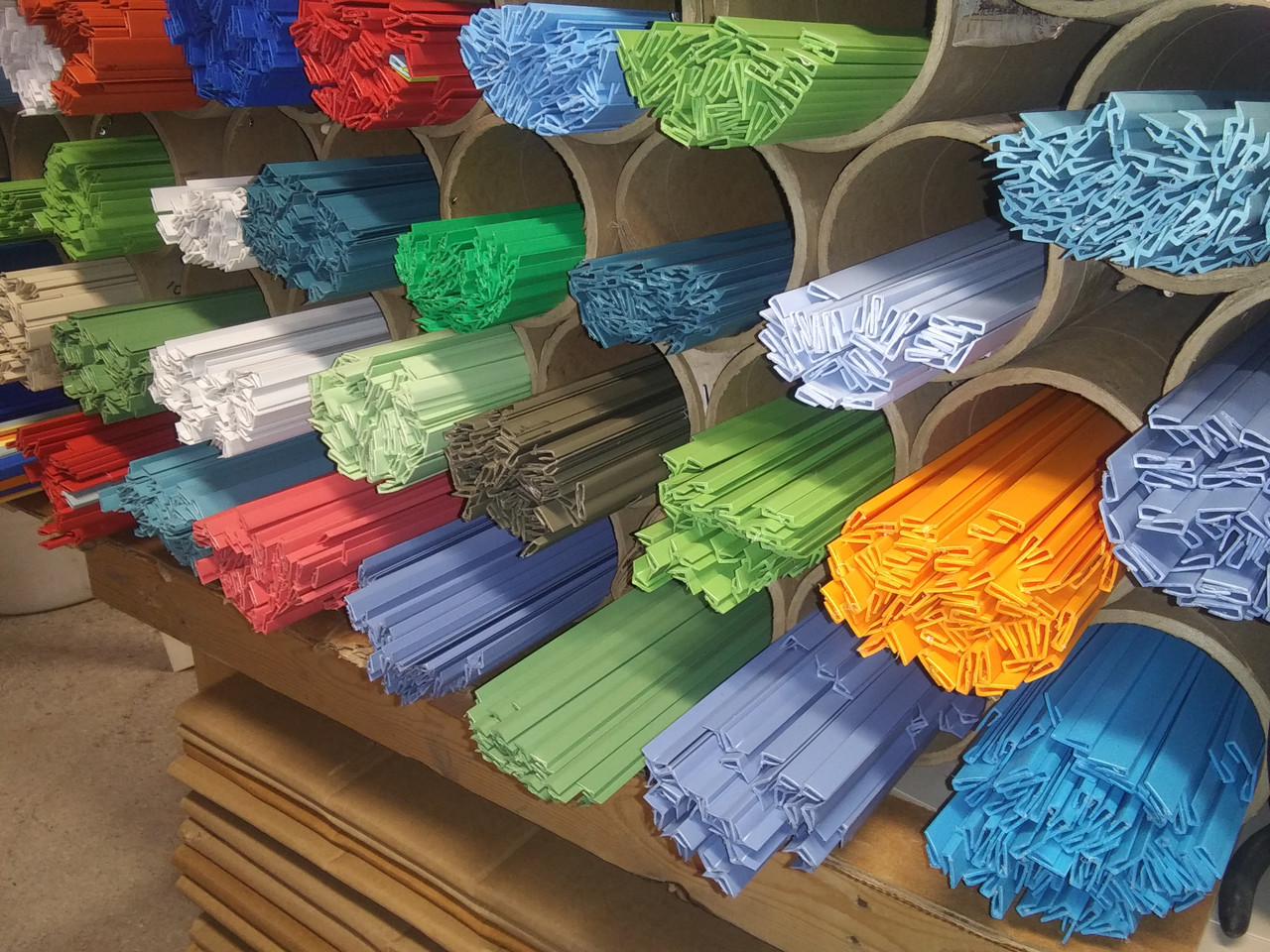
Project Pack
Fifty pounds of mixed reclaimed PVC for roughly 12–16 custom habitat units.
View the Project Pack →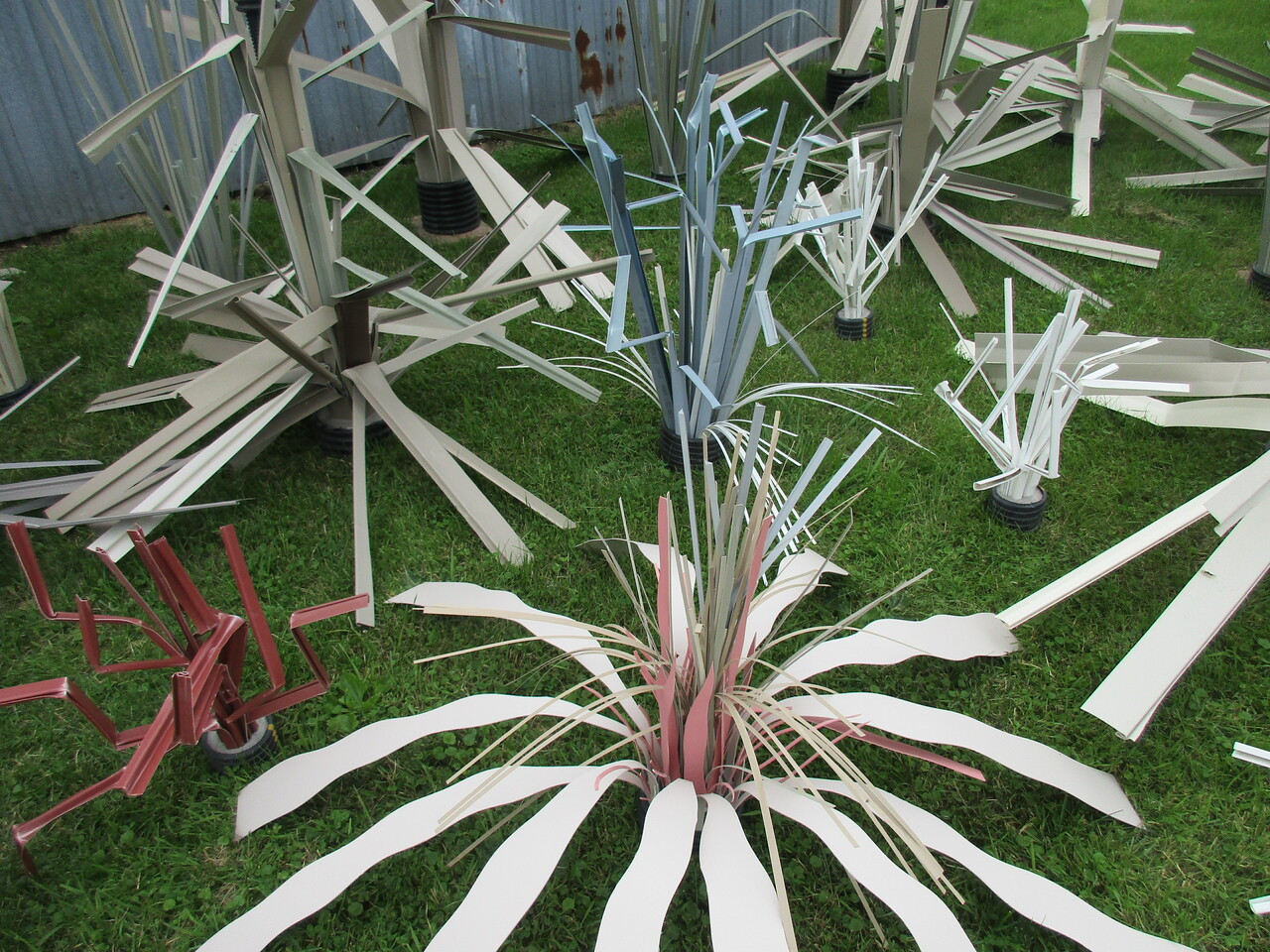
Mid-depth DIY kit
Wider reclaimed PVC limbs for transition cover, shade and openings for several fish sizes.
View mid-depth materials →Every Fishiding product price is the fixed delivered price with free shipping. Required sales tax applies only to Illinois residents.
DOCUMENTED UNDERWATER
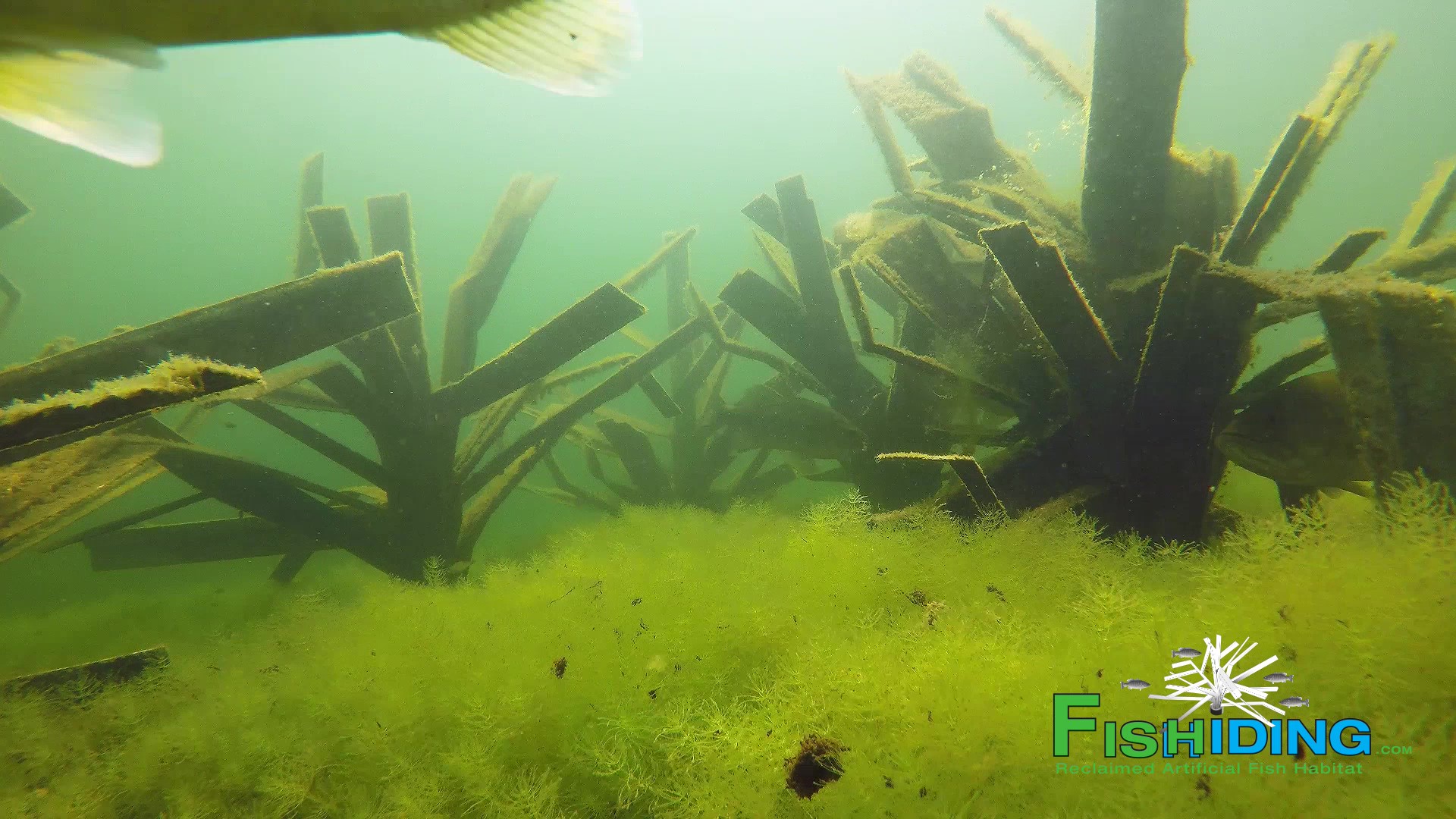
Watch how fish use edges, shade and dense cover
Fishiding has spent thousands of hours filming freshwater habitat over more than 15 years. The footage documents bass and other species using dense, intricate habitat for shelter, feeding and movement.
Watch habitat videosNot sure what to build or where to place it?
Tell us your water depth, shoreline shape and fishery goals. We will help plan a freshwater habitat layout and match the right DIY materials or completed models.
Request a free habitat design