
Crappie Habitat: Cover, Depth and Placement
Posted by Fish Hiding on 2nd Oct 2024
Useful crappie habitat combines vertical cover, nearby feeding areas and several usable depths. Natural vegetation, standing timber, brush, rock and artificial fish habitat can all hold crappie, but placement determines whether fish can use that cover through changing seasons and water conditions.
What crappie need from habitat
Crappie use structure for feeding, rest, shade and protection. Adult fish often suspend beside vertical edges where they can move up or down without leaving cover. Young crappie and forage fish need tighter spaces nearby. A complete site therefore includes open vertical lanes and denser refuge rather than one uniform shape.
Habitat does not replace water quality, oxygen or forage. It adds physical complexity to a pond or lake that lacks enough natural cover. The strongest plan matches the structure to the depth, bottom, seasonal water level and target life stage.
Natural and artificial cover
Natural crappie habitat includes submerged trees, brush, aquatic vegetation, rock edges and changes in bottom contour. Natural material can provide excellent cover but may settle or decay. Artificial habitat made from reclaimed PVC keeps its shape and adds long-term surface area for periphyton and other organic growth.
Build a seasonal depth route
Crappie do not use one depth all year. Shallow and protected areas become important around spring movement and spawning. Mid-depth edges provide transition cover. Deeper vertical structure can hold suspended fish during other periods when oxygen and temperature conditions are suitable.
Place related habitat along a route rather than dropping every piece in one spot. Connect shallow refuge to mid-depth structure and deeper cover near a point, break or channel. This gives fish options as conditions change and gives anglers several defined edges to fish.
Protect the food chain, not only adult fish
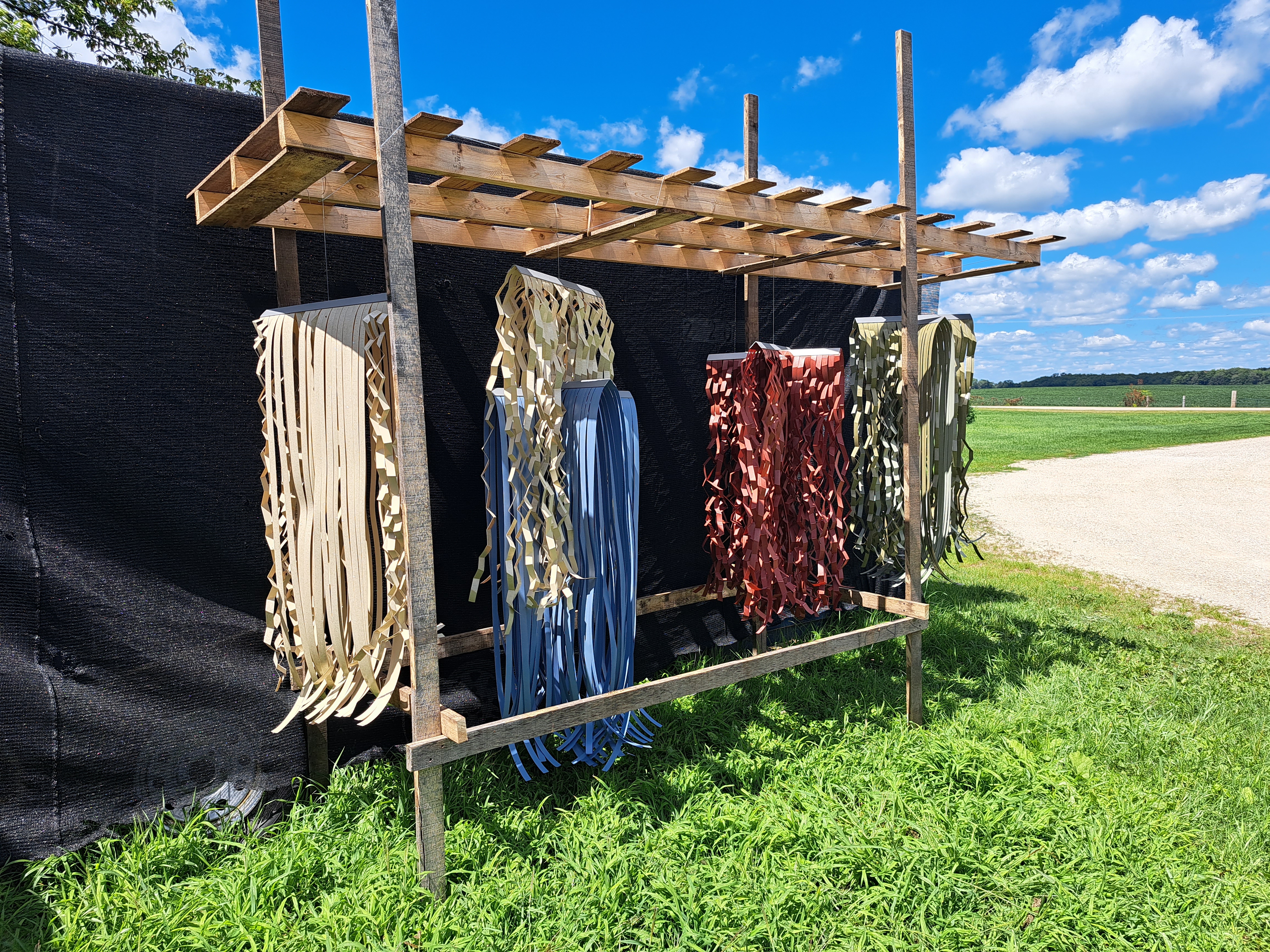
A sparse attractor can concentrate adult fish without providing much refuge for smaller life. Dense reclaimed PVC adds narrow spaces for copepods, fry and forage fish. Its submerged surface supports periphyton, the natural coating of algae and microorganisms that feeds small aquatic life.
Place tighter material near wider vertical cover. The dense section protects smaller fish; the open section gives larger crappie room to travel and feed. This mix supports more stages of the freshwater food chain than repeating only one structure type.
Match the structure to the bottom
Firm silt, sand, gravel, rock and gentle slopes can support stable habitat. Deep soft muck can bury a low structure. Steep slopes can shift an unstable base. Choose a self-weighted unit or a properly built base and keep enough height above the bottom to remain useful.
All finished Fishiding units have cement weight built into the patented design. They need no separate ballast or anchor.
Crappie habitat placement checklist
Before placement, check:
- Water depth and seasonal drawdown
- Bottom firmness and slope
- Dissolved oxygen at the intended depth
- Existing natural cover
- Swimming, skiing and navigation routes
- Local rules and required permission
Use clusters instead of isolated pieces. Preserve open travel lanes around the cluster. Vary height and spacing. Mark the site and record its depth. Revisit the location with underwater observation, sonar or fishing results and expand the cluster only when the original placement is being used.
Choose DIY or finished habitat
DIY artificial fish habitat materials let you control the shape and scale. A homemade structure still needs a stable built-in base and adequate curing time.
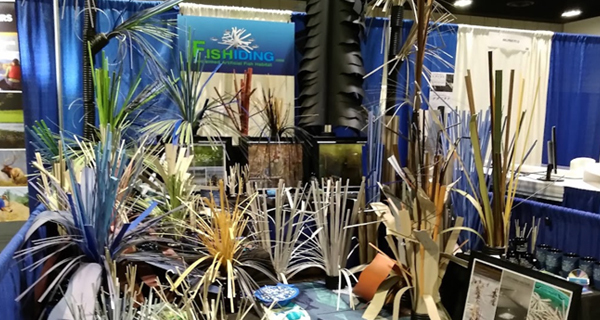
Finished Fishiding habitat provides a cement-weighted base built into the design, so no separate ballast or anchor is needed. The Stakeout crappie stake bed uses vertical reclaimed PVC pieces for crappie cover, while denser products can be placed nearby for young fish and forage protection.
For shallow nursery areas and nearshore protection, compare Fishiding’s shallow-water fish habitat.
Frequently asked questions
What is the best habitat shape for crappie?
Vertical cover with mixed spacing works well because crappie can suspend at different heights while staying near an edge.
Should all habitat be placed deep?
No. Use several depths and confirm oxygen before placing structure in deeper water.
Can artificial habitat improve a bare pond?
It can add lasting cover and surface area where natural structure is limited, but it must be paired with suitable water quality and forage.
How much habitat should be installed?
Start with connected clusters in the most useful locations rather than scattering single pieces across the entire waterbody.